What Do Leopard Geckos Eat? Feeder Insects and Nutrition
What Do Leopard Geckos Eat Feeder Insects and Nutrition. Discover practical facts, risks, and care considerations before you decide what to do next.
What Do Leopard Geckos Eat? Feeder Insects and Nutrition
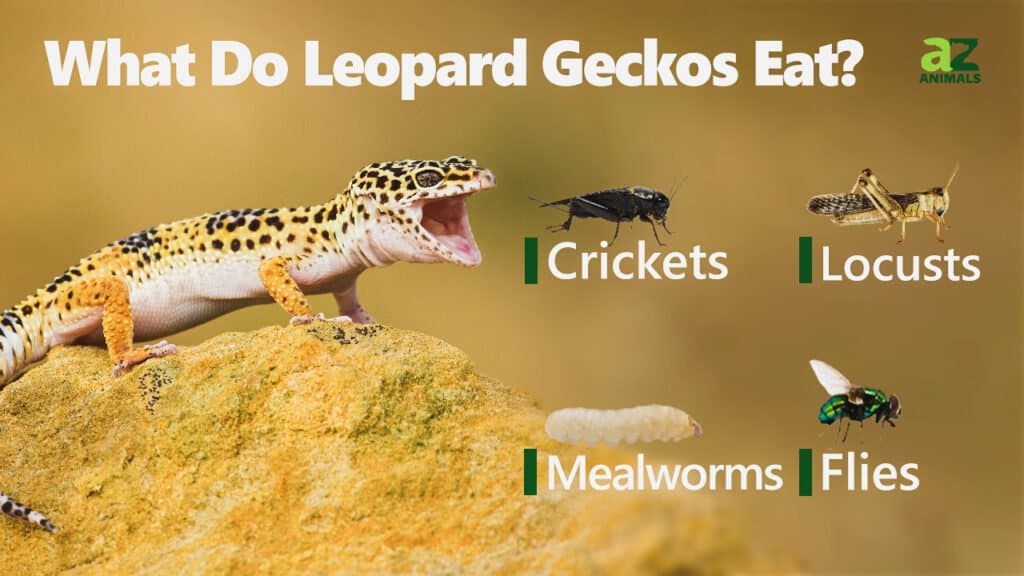
Leopard geckos are primarily insectivorous lizards. Appropriate captive diets generally use varied live feeder insects matched to the gecko's size and health, rather than fruit, vegetables, or packaged food intended for other reptiles. Growth stage and condition influence feeding frequency.
What the context tells you
Feeder quality matters. Gut-loading and suitable calcium and vitamin supplementation help support nutrition, while oversized or poorly maintained insects can cause problems. Insects left loose in an enclosure may bother a resting gecko and should be removed when not eaten.
Practical steps and everyday care
Offer a selection of appropriate crickets, roaches, and other safe feeders according to veterinary guidance. Check body condition, weight, shedding, and stool. Maintain warm and cool hide areas and an appropriate heat source because digestion depends on proper environmental temperatures.
The enclosure is part of the animal’s health
Reptile and amphibian care is species-specific. A digital temperature reading at one point is not enough to describe a thermal gradient, and bright visible light is not necessarily suitable UVB. Enclosure size, hiding places, humidity, appropriate substrate, ventilation, and food availability must work together. Before changing supplements or assuming a seasonal slowdown, verify the animal's actual environment and arrange access to a reptile or amphibian veterinarian.
A real-world example
A juvenile leopard gecko may need a different feeding routine from a settled adult. In both cases, feeder size, nutritional variety, appropriate supplementation, and correct warmth support digestion. An owner who feeds frequently while keeping the enclosure too cool can create another problem rather than solving appetite.
Warning signs and welfare limitations
Persistent refusal to eat, weight loss, tremors, or difficulty walking warrants a reptile-experienced veterinary assessment. Do not compensate for poor temperatures by simply feeding more or adding random supplements.
A quick decision checklist
Confirm the exact species and measured heat, lighting, and humidity conditions.
Cover feeder diversity, supplements, gut loading and age-dependent feeding.
Track weight, appetite, shedding, and measured habitat conditions rather than guessing.
Seek qualified veterinary, extension, or species-specialist guidance before using medication or making major changes.
Frequently asked questions
Can I follow a generic reptile care sheet?
Use general information as an introduction only. Species, age, reproductive state, and climate can change the proper setup and diet. If the animal is weak or not eating, a veterinarian should assess it rather than relying on a one-size-fits-all chart.
What is the most important setup check?
Verify temperatures at basking and cool locations, light and UVB suitability where needed, humidity, enclosure space, food, and hiding areas. A single room-temperature reading is not enough.
Related reading
how long do bearded dragons live
Reliable resources for further checking
Editorial status: draft. Check current professional guidance and local rules before publication; urgent symptoms require appropriate veterinary help.
