How to Compare DIY Catio Kits
See how to evaluate catio kits by measurements, included hardware, assembly skill, door design and long-term durability.
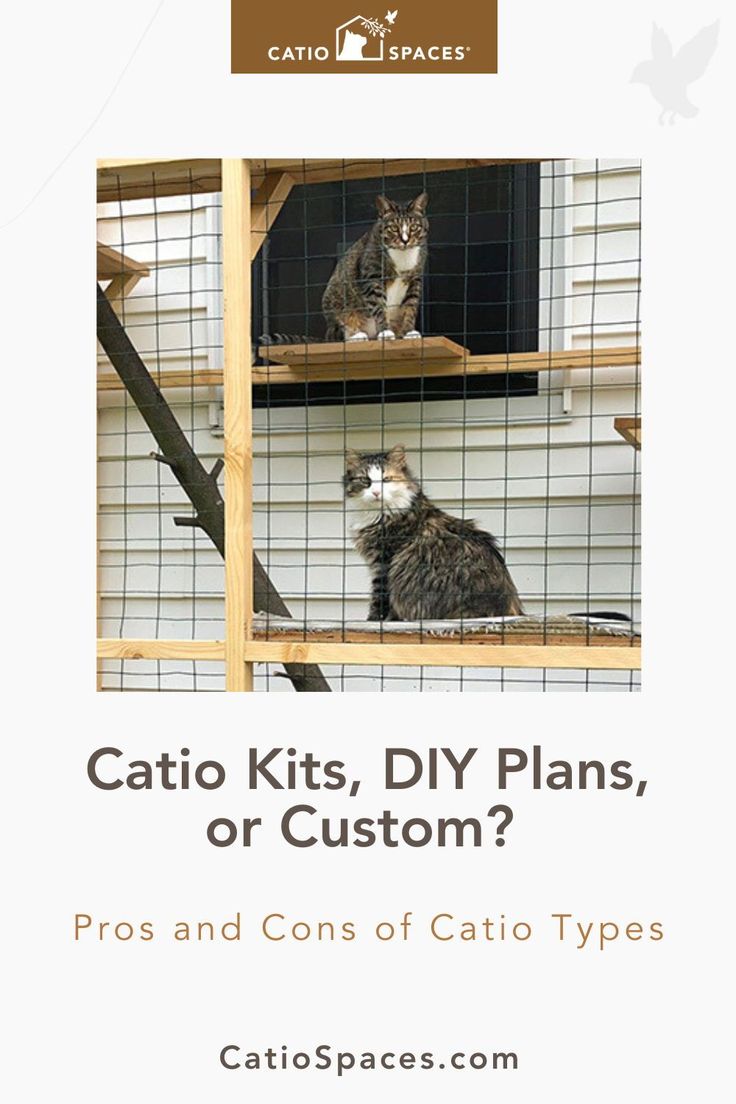
Catio kits are attractive because the builder does not have to design every panel from scratch. That convenience has limits. A kit may arrive with mesh walls and fittings but still depend on the owner for a sound base, adequate anchors, a weather-rated roof, and safe integration with the house. Evaluate a kit as an assembly project, not a finished, escape-proof enclosure merely because it has a product name and instructions.
Unpack the contents before comparing kits Review a complete bill of materials and the assembly manual, if available. Count panels, corner brackets, bolts, hinges, latches, roof supports, and shelving. Check which items are optional. A kit that appears inexpensive may require a separate foundation, weather seal, tools, or specialized fasteners.
Check whether panel dimensions can accommodate a cat flap or house connection without unauthorized cutting. If the system is modular, find out how sections join and how any unused openings must be closed. Material quality and connection design matter more than the number of pieces in the box.
Match assembly demands to your abilities Estimate the workspace required to lay out panels and the number of people needed to lift sections safely. Read instructions for drilling, leveling, cutting, and anchoring. If the manual assumes installation to a wall, determine whether the wall material and waterproofing details are compatible with your home. A freestanding kit should have a documented way to resist movement and tipping.
Check local weather requirements before following a generic roof diagram. The manufacturer's general example may not account for unusually high wind or snow. Where site loading or structural attachment is unclear, consult a qualified professional instead of improvising.
Treat the gate and base as critical components Panelized systems can look sturdy while leaving a small unprotected seam at a corner. Work methodically around the finished boundary, including the ground edge, roof joints, and access door. The gate should close without rubbing or leaving a gap. Latches need to be secure against curious paws and easy for an adult to operate.
Inspect all cut edges, protruding bolts, and places where wire could snag fur. If shelves are attached to mesh rather than to suitable structural supports, confirm their load capacity before use. A perch that shifts under pressure can frighten or injure a cat.
Build a maintenance routine into the purchase Consider which parts will get wet, whether panels can be washed, and how the owner will replace a damaged latch or mesh section. Look for corrosion-resistant hardware appropriate to the exposure. If the kit is meant to be dismantled, think about how reassembly will affect joint security after repeated moves.
Test access to corners for cleaning. Even a perfect enclosure is frustrating if its door cannot accommodate a broom or a person who needs to retrieve a cat quickly. Allow for a shady retreat and accessible water, not just climbing surfaces.
Decide whether a kit is the best format If you need a precise custom footprint, the measured drawing process in [[link:catio-plans|catio plans]] may reveal that a tailored structure is more suitable. If you would rather avoid assembling panels, compare [[link:catio-for-sale|prebuilt catio purchase criteria]]. For guidance on the broader safety and layout decision, start with [[link:catio-for-cats|choosing a catio for your cat]].
A kit saves design work only when its assumptions match your site. Follow the manufacturer's instructions, seek professional help where the installation exceeds your skills, and check every possible escape point before use.