Dog Food Supplements: When Are Extras Actually Necessary?
Understand how dog food supplements fit with complete and balanced diets and when your veterinarian may recommend additional nutrients.
Dog Food Supplements: When Are Extras Actually Necessary?
Updated November 2, 2026 | US English | Veterinary editorial review pending
Adding a supplement to ordinary dog food makes sense only when there is a clear nutritional or clinical reason. Commercial food labeled complete and balanced is designed to provide the nutrients needed at a specified life stage when fed correctly. Toppers, powders and soft chews can add calories or duplicate nutrients without improving the underlying diet.
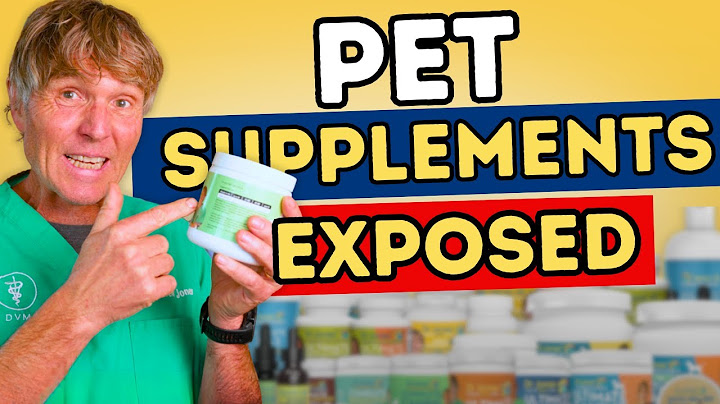
Do complete dog foods need supplements?
Commercial dog foods bearing a complete-and-balanced nutritional adequacy statement are formulated to supply essential nutrients for the listed life stage. An otherwise healthy dog receiving the correct portion generally does not need a generic powder or vitamin topper. “Premium,” “natural” and “grain-free” are marketing or formulation descriptors, not proof that an additional supplement is required.
Types of additions to food
Common additions include vitamin powders, joint chews, fish oils, probiotics, digestive enzymes and flavorful toppers. They differ in whether they add essential nutrients, calories or nonessential ingredients. A topper that improves appetite can still unbalance a ration if it replaces too much complete food. Record everything the dog consumes before adding another product.
Nutrient duplication risks
A multivitamin combined with fortified kibble, a skin supplement and a joint chew can repeat nutrients without the owner noticing. Vitamin D and certain minerals are especially important to account for. Excess oil also increases calories and may change stool. If a seller recommends stacking several jars, ask for a veterinarian-supported nutritional rationale.
How to check the food label
Locate the small print stating whether the food is complete and balanced for adult maintenance, growth or all life stages. Check the feeding guide and whether your dog is eating enough for the advertised nutrient adequacy. A product marked “intermittent or supplemental feeding only” is not a nutritional replacement for that main food.
When extra nutrients may be needed
A veterinarian may recommend supplementation for a documented disease, a medication-related issue, a restricted diet or a diagnosed nutritional deficit. Those are case-specific decisions. When the dog has recurrent vomiting, weight loss, abnormal appetite or severe itching, identifying the medical cause usually matters more than choosing another food additive.
Questions for a veterinarian
Ask the veterinarian to review your main diet, treats, any homemade meals and the proposed supplement together. Request the goal, relevant ingredient amount, expected monitoring and stopping criteria. A good plan can be as simple as continuing the complete food without extras; not buying a supplement is often the most evidence-based choice.
A practical decision checklist
List all food, treats and toppers to see whether another product would duplicate nutrients or add unnecessary calories.
Read the exact package label, including all active and inactive ingredients, amounts per serving, age limitations and expiration.
Review the complete food ration, other chews and medications with your veterinarian before adding or stacking products.
Choose an observable outcome and a follow-up plan; stop and seek advice if side effects or concerning symptoms occur.
Frequently asked questions
Should I add a powder to complete dog food?
Usually not without a specific reason. Check the food’s life-stage adequacy and discuss any suspected gap with a veterinary professional.
Are dog-food toppers complete meals?
Usually not. Many are labeled for intermittent or supplemental feeding only and should not replace much of a complete main diet.
Can two supplements have the same nutrients?
Yes. A vitamin chew and fortified topper may duplicate vitamin A, vitamin D or minerals even if marketed for different goals.
Related guides
Dog Supplements: What Helps, What Does Not, and Safety
Dog Multivitamins: Are They Needed and How Do You Choose?
Supplements for Homemade Dog Food: Nutrient Balance and Safety