Joint Supplements for Dogs: What Vets Consider and Evidence Limits
Compare joint supplement categories for dogs, understand mixed evidence for glucosamine and chondroitin, and discuss care with your vet.
Joint Supplements for Dogs: What Vets Consider and Evidence Limits
Updated November 2, 2026 | US English | Veterinary editorial review pending
Joint supplements for dogs are often advertised for mobility, but limping or stiffness needs a veterinary assessment rather than a diagnosis from a product label. Evidence differs significantly among ingredients. In particular, a systematic review found stronger pain-related evidence for omega-3s than for glucosamine/chondroitin products; that does not mean every dog will respond.
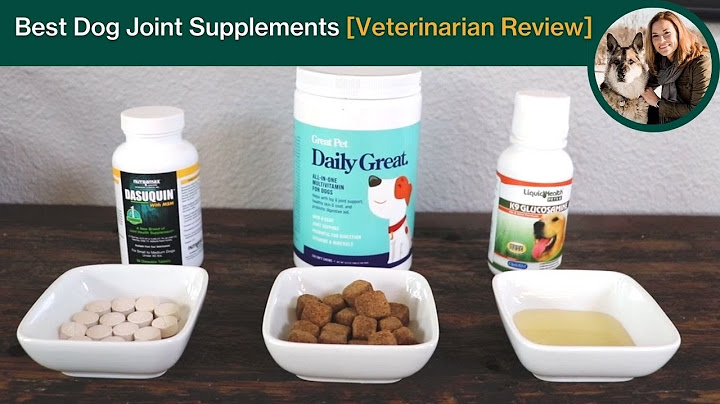
Joint pain is not a supplement diagnosis
Difficulty standing, reluctance to jump and changes in gait may arise from osteoarthritis, injuries, neurologic disease or other conditions. A supplement cannot diagnose which problem is present. Veterinary evaluation can identify appropriate pain relief, activity modification and weight management; these are often more consequential than choosing a joint chew.
Common ingredients
Products may contain glucosamine, chondroitin, MSM, avocado/soybean unsaponifiables, collagen, omega-3 fatty acids or botanical ingredients. Ingredient lists and concentrations differ across products. Similar names do not imply identical outcomes, and the presence of a compound is not proof that enough is supplied to be useful.
Evidence strength and conflicting findings
A 2022 systematic review of osteoarthritis nutraceuticals found evidence favoring omega-3-enriched diets and omega-3 supplements for pain, while finding little meaningful analgesic effect for glucosamine/chondroitin products in the studies assessed. Other studies and veterinary opinions vary. It is important to distinguish measured pain improvement from marketing claims about cartilage support.
Difference from prescribed pain management
Appropriate pain medication, body-weight management, physical rehabilitation and environmental adjustments may be central to a clinician’s plan. Supplements should not replace a prescribed treatment because they have a “natural” label. The goal is improved comfort and function, assessed over time, rather than simply adding a popular ingredient.
Quality controls
Ask whether ingredients and amounts are fully listed, whether quality testing is documented and whether the exact formulation has relevant clinical research. Marketing surveys about veterinary recommendations are not the same as randomized trials of pain control. Review the full ingredient list for animal-derived ingredients or other concerns.
Vet questions and monitoring
Keep a record of movement, stairs, walking tolerance and veterinary pain assessments before and after any change. Ask when to reassess and what would count as a meaningful response. If a dog cannot bear weight or has sudden severe pain, seek prompt veterinary care rather than beginning a supplement trial.
A practical decision checklist
Seek a diagnosis for stiffness or limping and review pain-control options before evaluating supplements.
Read the exact package label, including all active and inactive ingredients, amounts per serving, age limitations and expiration.
Review the complete food ration, other chews and medications with your veterinarian before adding or stacking products.
Choose an observable outcome and a follow-up plan; stop and seek advice if side effects or concerning symptoms occur.
Frequently asked questions
Do vets recommend the same joint supplement for every dog?
No. Recommendations depend on diagnosis, medical history, evidence, other treatments and individual response.
Does glucosamine reliably relieve arthritis pain?
A 2022 systematic review found weak analgesic evidence for glucosamine/chondroitin in the studies assessed.
Is weight management important for arthritic dogs?
Yes. Veterinary care often considers body weight, activity management and medication as part of a broader plan.
Related guides
Dog Supplements: What Helps, What Does Not, and Safety
Cosequin for Dogs: Formulations, Ingredients and Evidence