Natural Probiotics for Dogs: Foods, Supplements and Safety
Explore natural probiotic ideas for dogs, differences between foods and tested products, and when introducing them may be inappropriate.
Natural Probiotics for Dogs: Foods, Supplements and Safety
Updated November 2, 2026 | US English | Veterinary editorial review pending
“Natural probiotics for dogs” usually refers to live-culture foods or fermented products, but natural is not a guarantee of canine safety or a measurable probiotic dose. Commercial veterinary probiotics and human fermented foods differ widely in their organisms and additives. Before offering an unfamiliar food, consider its ingredients, lactose or fat content, and whether a measured canine product would be clearer.
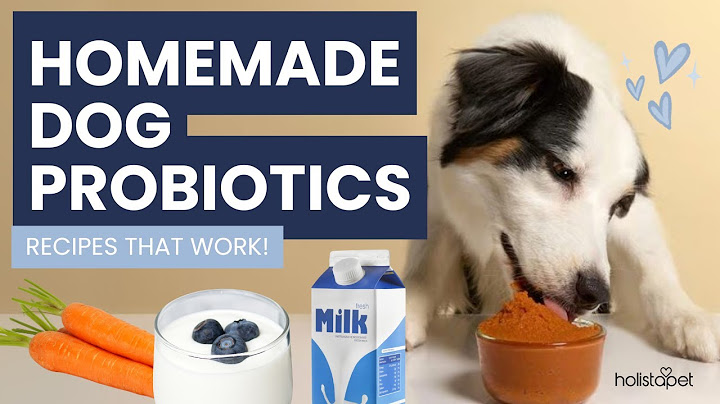
What natural means in probiotic marketing
In supplement advertising, “natural” may refer to fermented foods, live-culture yogurt, kefir or organisms grown by fermentation. The term does not identify a species, strain, quantity or tested canine benefit. A product can be naturally derived and still contain unsafe additives or an inappropriate fat content for a particular dog.
Live cultures and strain specificity
Probiotic benefit is not determined only by the presence of any live bacteria. Researchers distinguish species and individual strains, and clinical evidence may relate to one strain and one outcome. A fermented food with an unknown mix cannot be assumed to provide the same result as a named veterinary probiotic used in a study.
Food sources versus measured supplements
Plain fermented dairy may contain live cultures, but it also contains varying lactose, calories and fats. Some dogs cannot tolerate it. A veterinary probiotic can provide more predictable organism identity and serving information. Homemade ferments are particularly difficult to standardize for contamination, species and concentration.
Ingredients dogs should avoid
Never offer a sweetened human probiotic gummy or dessert without reviewing all ingredients. Xylitol is extremely dangerous to dogs and appears in some sugar-free products. Highly flavored foods, excessive fat or unfamiliar spices can also cause trouble. Choose simplicity, avoid unsupported “homemade cure” recipes and seek advice for dogs with medical conditions.
When to consult your veterinarian
Ask a veterinarian whether the goal is occasional diet support or management of a gastrointestinal symptom. In a dog with diarrhea, vomiting, persistent itching or weight loss, the reason for symptoms must be evaluated. A food described as natural is not a replacement for treatment or a reliable way to correct a nutritional imbalance.
A practical decision checklist
Examine the actual food ingredients and live cultures rather than relying on the word “natural.”
Read the exact package label, including all active and inactive ingredients, amounts per serving, age limitations and expiration.
Review the complete food ration, other chews and medications with your veterinarian before adding or stacking products.
Choose an observable outcome and a follow-up plan; stop and seek advice if side effects or concerning symptoms occur.
Frequently asked questions
Is plain yogurt a reliable dog probiotic?
Not as a measured treatment. Cultures and quantities vary, and some dogs do not tolerate dairy well.
Are homemade fermented foods safe for dogs?
They may contain unexpected organisms, excess fat, salt or unsafe additions. Do not assume natural fermentation means safe.
Why choose a canine probiotic with a strain listed?
The strain identification makes it easier to compare a product with canine research and manufacturing-quality information.
Related guides
Dog Supplements: What Helps, What Does Not, and Safety
Digestive Supplements for Dogs: Probiotics, Fiber and When to Ask a Vet