Pawfy Allergy and Immune Chews: Ingredients and Claim Checks
A label-first guide to Pawfy allergy and immune chews, with practical questions about evidence, testing and veterinary suitability.
Pawfy Allergy and Immune Chews: Ingredients and Claim Checks
Updated November 2, 2026 | US English | Veterinary editorial review pending
EDITORIAL HOLD — VERIFY CURRENT PRODUCT LABEL AND CLAIMS BEFORE PUBLISHING
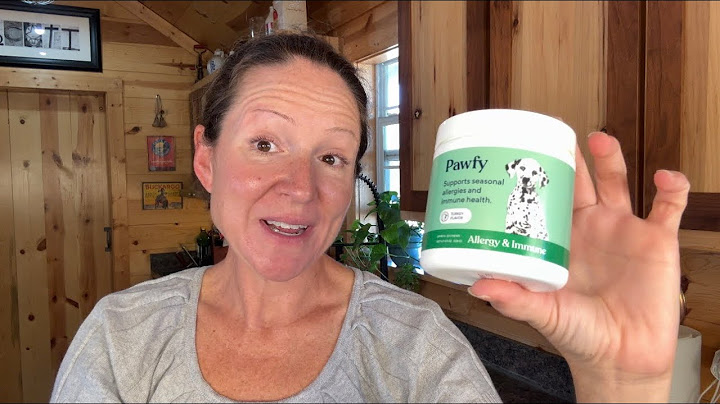
Pawfy markets Allergy & Immune soft chews containing several ingredients aimed at skin and digestive support. The company’s pages show distinct regular and large-dog formulations, so comparisons need an exact product identity. Advertised customer outcomes should not be confused with independent evidence for allergy treatment, and persistent itching merits veterinary diagnosis.
Verify the exact product
Pawfy’s current manufacturer pages describe Allergy & Immune soft chews and separate standard and large-dog offerings. The distinction is important because the ingredient amounts differ between versions. A reviewer should identify the exact package and serving basis before copying any product information into a comparison.
Current ingredients and supplier information
The manufacturer lists a blend including ingredients such as colostrum, salmon oil, apple pectin, quercetin and probiotics on its standard product page. These facts describe the seller’s current label and marketing, not proof that the finished chew treats allergies. Recheck allergen statements, particularly dairy, fish and other protein-containing ingredients.
How to evaluate marketing language
“Immune balance” and “allergy support” are broad expressions; they do not prove a chew can diagnose, prevent or cure environmental allergies. Scientific evidence for one ingredient cannot be credited automatically to a finished blend. Compare the actual claims with veterinary research and avoid repeating dramatic promised results as facts.
Quality-testing questions
Ask about manufacturing quality standards, third-party analyses, lot numbers, shelf-life probiotic viability and how the company handles adverse-event reports. A claimed study or review should describe what was measured, in which dogs, and whether the outcome is independent of marketing. Photographs and testimonials are not controlled trials.
What clinical symptoms need veterinary care
Recurrent scratching, inflamed ears, hot spots or skin infection need veterinary assessment. A veterinarian can check fleas and other causes and discuss the role of diet trials or medical therapy. Supplement products are, at most, individualized adjuncts and can introduce ingredients that interfere with a controlled allergy diet.
A practical decision checklist
Choose the exact Pawfy product version for review and check ingredients against the dog’s food and medication history.
Read the exact package label, including all active and inactive ingredients, amounts per serving, age limitations and expiration.
Review the complete food ration, other chews and medications with your veterinarian before adding or stacking products.
Choose an observable outcome and a follow-up plan; stop and seek advice if side effects or concerning symptoms occur.
Frequently asked questions
Do Pawfy regular and large-dog chews have identical amounts?
The manufacturer lists different product versions; verify the selected label and its amounts before comparing them.
Does a five-star review establish allergy relief?
No. Testimonials cannot replace controlled evidence or veterinary diagnosis.
Can these chews replace a vet visit for itchy skin?
No. Recurrent itching, ear problems or skin lesions need veterinary assessment.