What Is Magma? How It Differs from Lava
What Is Magma? How It Differs from Lava Explore evidence-based facts, context and common misconceptions.
What Is Magma? How It Differs from Lava
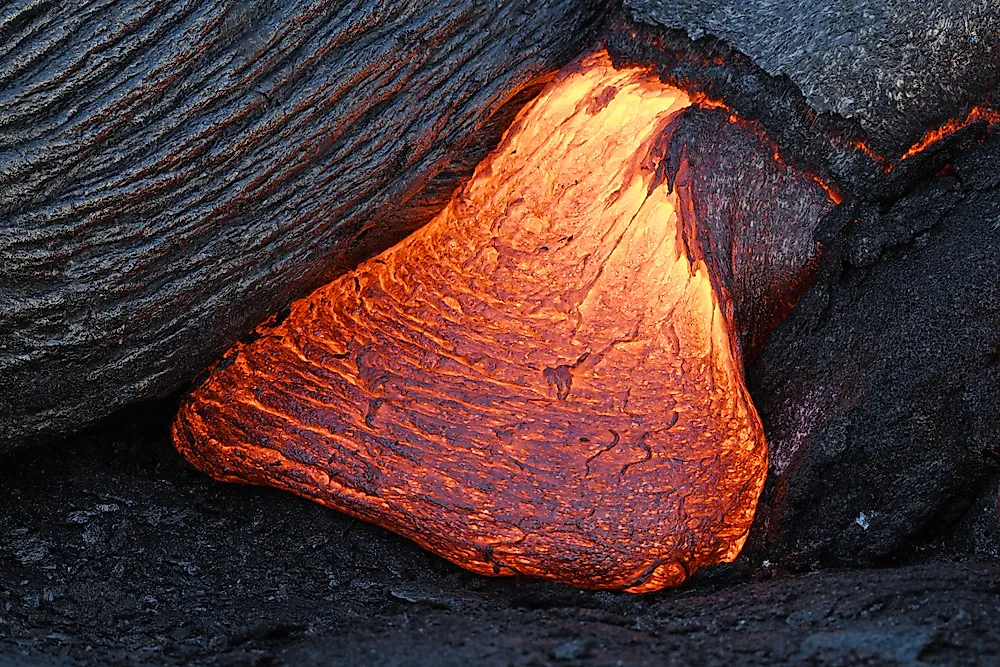
Magma is molten or partially molten rock below Earth’s surface. When molten rock reaches the surface during an eruption, it is called lava. Both can contain crystals, gases, and a range of chemical compositions.
The essentials
Magma forms when rocks partially melt because of changes in temperature, pressure, or the addition of water and other volatile materials. Plate boundaries and hot spots create different environments where melting can occur.
What makes this subject distinctive
Magma is not an underground ocean of uniformly liquid rock. Many magmatic systems are partly crystalline, and the composition influences how easily material flows and whether gas pressure can build.
A general explanation cannot predict the danger at a specific address. Exposure, building design, terrain, water depth, and current conditions change outcomes. Use local forecasts, hazard maps, and official emergency alerts for decisions that affect personal safety.
Common misconceptions and limits
Volcano hazards depend on much more than magma temperature. Viscosity, gas, water interaction, and geologic setting shape eruption style, so simple labels such as hot or thick cannot predict every event.
Science explains processes; emergency authorities communicate immediate decisions. If a topic involves public safety, general educational prose must not override local earthquake guidance, weather warnings, evacuation maps, or coastal tsunami instructions.
Separating observation from prediction
Photographs and dramatic historical examples show what happened in one setting; they do not establish a universal rule. Measurements, longer records, and official monitoring help scientists separate ordinary variation from unusual events.
Key points at a glance
Magma is molten or partially molten rock below Earth’s surface.
Magma forms when rocks partially melt because of changes in temperature, pressure, or the addition of water and other volatile materials.
Magma is not an underground ocean of uniformly liquid rock.
Frequently asked questions
What is the basic explanation?
Magma is molten or partially molten rock below Earth’s surface.
Why can local conditions change the outcome?
Magma forms when rocks partially melt because of changes in temperature, pressure, or the addition of water and other volatile materials.
When should official guidance take priority?
Volcano hazards depend on much more than magma temperature.
Explore related guides
Earth Science Explained: Oceans, Weather, Volcanoes and Natural Hazards
