Fire-Bellied Toad Care: Vivarium, Water and Feeding
Fire-Bellied Toad Care: Vivarium, Water and Feeding. Discover practical facts, risks, and care considerations before you decide what to do next.
Fire-Bellied Toad Care: Vivarium, Water and Feeding
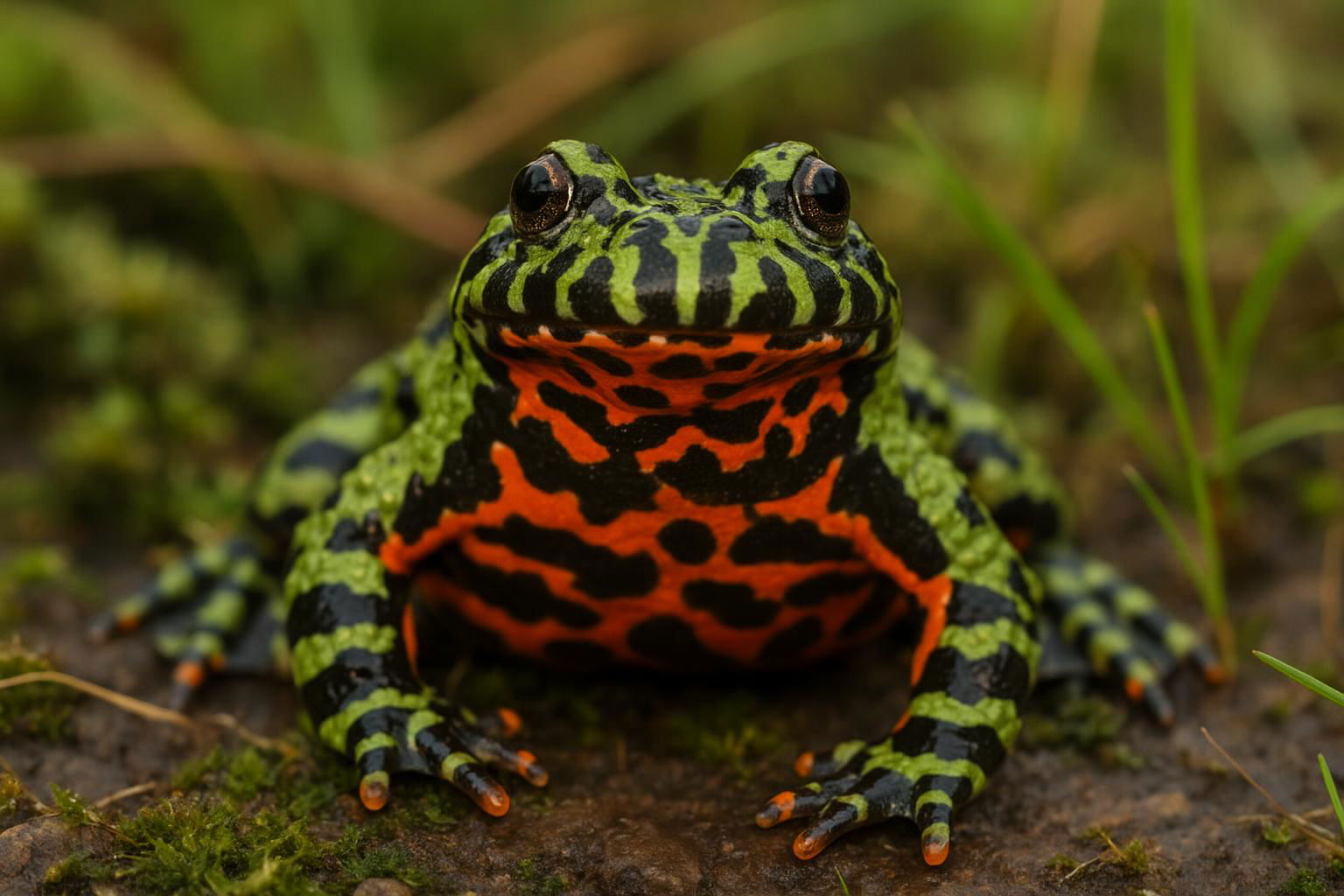
Fire-bellied toads are small amphibians often maintained in semi-aquatic setups with easy access to water and land. They are sensitive to poor water quality, unsafe chemicals, and inappropriate handling. The vivid underside is a warning coloration; skin secretions may irritate eyes or mucous membranes.
What the context tells you
A secure lid, escape-proof habitat, gentle filtration or routine water care, and appropriate humidity help reduce stress. Temperature preferences vary by species. They generally take suitably sized live invertebrate foods and need enough feeding stations to prevent competition.
Practical steps and everyday care
Wash hands before and after necessary handling, avoid soaps or lotions on hands that contact amphibian skin, and do not touch your face during care. Provide dry resting areas and opportunities to hide. Never release captive amphibians into wild habitats.
The enclosure is part of the animal’s health
Reptile and amphibian care is species-specific. A digital temperature reading at one point is not enough to describe a thermal gradient, and bright visible light is not necessarily suitable UVB. Enclosure size, hiding places, humidity, appropriate substrate, ventilation, and food availability must work together. Before changing supplements or assuming a seasonal slowdown, verify the animal's actual environment and arrange access to a reptile or amphibian veterinarian.
A real-world example
A keeper with a beautiful aquatic tank may overlook that fire-bellied toads need easy land access and safe resting areas. Water care alone is insufficient. Secure the lid, create gentle ramps and hides, and avoid handling the animals with hands covered in lotions or cleaners.
Warning signs and welfare limitations
Skin discoloration, unusual floating, sores, repeated refusal to eat, or lethargy warrants advice from an amphibian-experienced veterinarian. Children should not handle these animals unsupervised because of hygiene and welfare risks.
A quick decision checklist
Confirm the exact species and measured heat, lighting, and humidity conditions.
Explain semi-aquatic conditions and hygienic handling to avoid skin irritants.
Track weight, appetite, shedding, and measured habitat conditions rather than guessing.
Seek qualified veterinary, extension, or species-specialist guidance before using medication or making major changes.
Frequently asked questions
Can I follow a generic reptile care sheet?
Use general information as an introduction only. Species, age, reproductive state, and climate can change the proper setup and diet. If the animal is weak or not eating, a veterinarian should assess it rather than relying on a one-size-fits-all chart.
What is the most important setup check?
Verify temperatures at basking and cool locations, light and UVB suitability where needed, humidity, enclosure space, food, and hiding areas. A single room-temperature reading is not enough.
Related reading
how long do bearded dragons live
Reliable resources for further checking
Editorial status: draft. Check current professional guidance and local rules before publication; urgent symptoms require appropriate veterinary help.
