Iguana Removal in Florida: Hiring a Qualified Professional
Need iguana removal in Florida? Learn how to evaluate wildlife-control providers, request quotes and check legal, humane options for your property.
Iguana Removal in Florida: Hiring a Qualified Professional
FLORIDA WILDLIFE GUIDE • Editorial review: November 2, 2026 • US English
When iguanas chew landscaping, dig near a seawall or repeatedly enter a property, the problem is often bigger than a single animal. Homeowners may need a plan for access, habitat modification, legal removal and monitoring. A qualified wildlife-control provider can evaluate those factors, but not every advertised “iguana removal” service offers the same scope. Before hiring anyone, confirm property authority, animal-welfare practices and how the company handles regulated live possession or transport. This guide focuses on choosing help, not performing captures yourself.
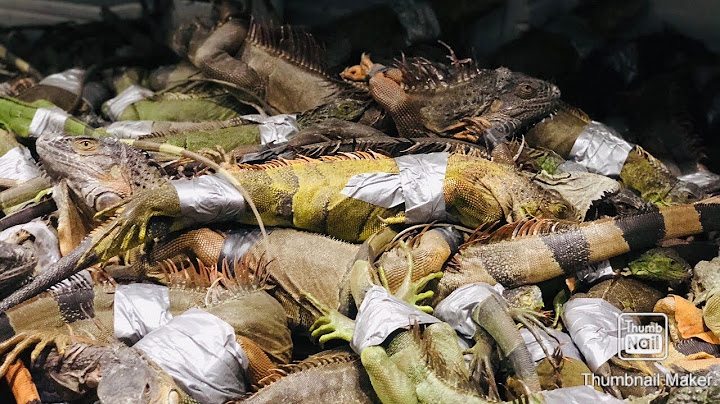
When professional help makes sense
An isolated sighting is different from recurring damage. Signs that warrant a closer assessment include burrows near retaining structures, repeated feeding on valuable plants, droppings around high-use spaces, or animals occupying hard-to-access areas. Document the location and frequency of issues without approaching the iguana. Distinguish landscaping inconvenience from a possible structural concern: undermined soil around a seawall or walkway may require a qualified construction or engineering professional as well as wildlife advice. A removal operator should be honest about what their service can and cannot fix.
Deterrence is not the same as removal
Deterrence aims to make a property less attractive or less accessible; removal addresses animals already causing problems. Contractors may recommend pruning access routes, protecting landscaping, securing waste and discouraging intentional feeding. Exclusion work around vulnerable zones can reduce repeat visits, although iguanas are mobile and outcomes cannot be guaranteed. Ask whether a quote covers habitat changes or only visits directed at animals present on the appointment day. For detailed deterrent options, the existing Iguana Repellent page is the better destination; this article evaluates service scope and contractor selection.
Confirm landowner permission and coverage
A reputable company should ask who owns the site and whether it is a single-family lot, HOA space, business complex or waterfront easement. Permission from a homeowner may not extend to neighboring properties or public land. Request written confirmation that the service understands local ordinances, access restrictions and applicable FWC wildlife rules. Liability insurance and a clear business identity are sensible screening items. A license or permit claim should be tied to the exact work proposed, not used as an undefined trust badge in advertising.
Ask exactly how live animals are handled
Green iguanas are Prohibited species in Florida, and the rules for live possession and transportation differ from rules permitting humane removal on site. FWC has separate permit categories for regulated activities. Ask the contractor whether live animals will be held, transported, transferred or released, and which authorization covers each planned step. Be cautious if someone promises to drive captured iguanas into a park, resettle them across a canal or deliver them to FWC under the expired February 2026 cold-weather order. Release and relocation are not a casual substitute for compliance.
What a useful estimate includes
A well-written estimate should identify the site, observed problem, intended work, access limitations, likely visits and what happens if animals return. It should state whether the price is fixed, per visit, per service area or subject to additional charges. Clarify whether disposal, follow-up inspections, exclusion materials and documentation are included. Ask what conditions could change the price and whether the company guarantees a result. Avoid selecting on a headline price alone: two quotes may cover radically different work, especially where burrows or damaged structures require separate repairs.
Animal welfare and neighborhood safety
Invasive status does not suspend Florida anti-cruelty requirements. A professional should be able to explain humane standards and keep people and pets away from dangerous encounters. Work near roads, schools, shared pathways and neighboring houses requires special care. Do not allow an operator to enter land without permission or use methods that put bystanders at risk. If the property borders a canal or public land, confirm who controls access before scheduling a job. A provider that cannot clearly answer safety questions is a poor fit.
Red flags and the follow-up plan
Warning signs include promises of a guaranteed statewide cash bounty, refusal to describe what happens to animals, pressure to authorize immediate work without a site assessment, or suggestions to release live iguanas elsewhere. A professional should also explain realistic follow-up: removing an individual does not ensure that a food-rich yard will never attract another. Request before-and-after documentation where appropriate and keep a copy of the written agreement. Reassess landscaping and access problems if new sightings occur rather than assuming the first service failed or was unnecessary.
Frequently Asked Questions
Can a wildlife-control company remove iguanas from my yard?
Qualified providers can offer services subject to property permission, applicable Florida rules and any required authorization for their specific methods.
Is an iguana removal quote the same as a state bounty?
No. A removal quote is generally a service fee paid by the customer; it does not establish a government reward.
Should the company release captured iguanas elsewhere?
No. Releasing or relocating invasive iguanas creates regulatory and ecological problems. Ask how the provider complies with FWC rules.
Will one visit permanently solve the problem?
Not always. Repeat visits, vegetation management or exclusion work may be needed depending on habitat and access.
What should a contract tell me?
It should specify scope, schedule, pricing, animal-handling practices, access permission, safety procedures and any follow-up offered.
Related Reading
Florida Iguana Capture Rules: What Changed in 2026?
How Much Does Florida Pay for Iguanas in 2026?