Foam Dog Steps: How to Choose Safe, Stable Foam Stairs
Compare foam dog steps for beds and sofas by firmness, traction, stair height, washable covers and pet size before choosing.
Foam Dog Steps: How to Choose Safe, Stable Foam Stairs
Foam dog steps are lightweight stair-shaped blocks used beside beds and sofas. Their appeal is simple: many are easy to move, soft to touch, and covered with removable fabric. But "soft" should not be confused with "stable." The important buying question is whether the steps maintain their shape and traction while your particular dog climbs and turns, not whether the foam feels plush when squeezed by hand.
Before selecting a foam product, record your dog's weight, the furniture height, the floor type and the amount of clear space available. Check published manufacturer dimensions and care instructions. Dogs with pain, spinal problems or recent surgery need veterinary advice; foam steps are not a medical device and cannot be assumed suitable during restricted activity.
What makes foam stairs different from framed stairs?
A conventional framed staircase gets much of its shape from a wood, plastic or metal structure; a foam staircase depends more heavily on the foam block itself. Some foam products use a single sculpted core, while others use layered blocks or mixed materials. These designs behave differently at the front edge, where a dog may put more weight while descending. A slipcover can conceal seams or layers, so check the manufacturer's construction description instead of inferring it from product photos.
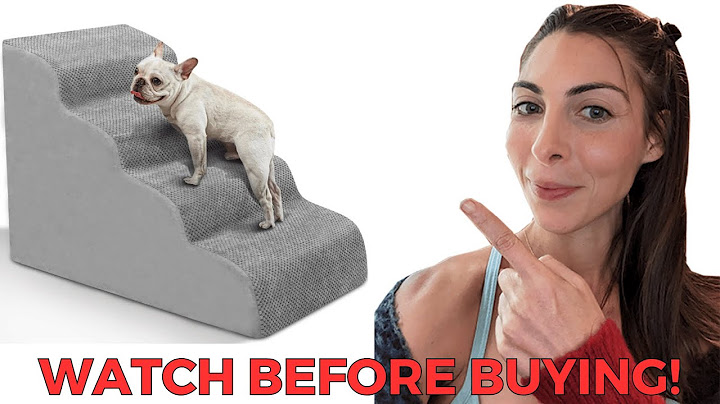
Foam can give slightly under load, which some dogs tolerate and others find uncertain. A firmer surface may feel more predictable, especially for a dog that pauses mid-step. Conversely, a rigid frame can have sharp exposed edges, slick tread materials or a narrow footprint. The sensible comparison is the entire finished unit: tread geometry, lateral support, compression, floor grip and cleaning requirements.
Foam firmness, density and compression: what to verify
Foam density and firmness are not the same metric. Density is generally mass per volume; firmness describes resistance to compression under specified conditions. An online seller's "high density" phrase does not tell you how much a step will sink under your dog's paws unless supporting specifications or testing methods are provided. Avoid treating decorative marketing labels as independently verified load ratings.
Look for information about intended pet weight, core material, shape retention and whether the cover can be removed without damaging the structure. If a seller shows a person pressing a hand into the foam, that is not a standardized pet loading test. A more informative observation at home is whether the stair edge collapses, the top platform tilts or the base slides when the dog makes a controlled ascent under supervision.
Do not attempt destructive loading or stand on a pet staircase to test it. Follow the manufacturer's rated use and assembly instructions. A foam stair that deforms visibly, remains crushed long after use or develops separated layers deserves replacement or a manufacturer inquiry.
Check the actual tread dimensions
Two products advertised as "four-step foam stairs" can have very different paw-landing areas. Compare total rise, individual rise, useful tread depth, tread width and the final platform height. Very short treads can make a dog place its rear paws on the edge while its front paws move upward. A soft front lip that rolls under pressure may further reduce usable tread area.
Set the stairs beside the bed and check whether the top tread sits at an approachable level. Foam may compress slightly at the moment of use, changing the actual landing transition. If the staircase ends too low, adding a separate unsecured cushion is not a reliable fix. For a detailed mattress measurement workflow, see dog stairs for high beds.
Covers, seams and laundry care
A washable cover is useful only if it returns to a snug, stable fit. Read the care label: some textiles shrink, lose grip when treated with fabric softener, or require air drying. Inspect the zip or hook-and-loop closure for a location where claws could catch. After washing, smooth out wrinkles on the walking surface and ensure the cover has not twisted the foam core.
Feel for a clearly defined landing surface. Loose fur-like fabric can look appealing in a bedroom but may obscure tread edges; an exceptionally slippery weave is undesirable on a climbing surface. If the dog has frequent accidents, also consider whether the foam itself is protected or whether liquid can soak into a core that is difficult to clean thoroughly. Follow the manufacturer's sanitizing guidance rather than saturating unknown foam formulations.
Floor contact and lateral stability
Lightweight steps may move when a pet approaches from an angle, especially on smooth tile or sealed wood. Confirm whether the bottom panel has true non-slip material, not merely patterned fabric. Press gently at multiple points before allowing use, and check if the staircase pivots away from the bed. A broad base and firm sidewalls can matter as much as vertical support.
Avoid placing the unit on top of another cushion or a wrinkled rug just to elevate it. A soft underlayer can increase rocking. Keep one side clear of dangling cords or bedding that could tug the cover. If the dog turns sideways while climbing, there should be enough width for comfortable repositioning without stepping off an unsupported side.
Which dogs might be comfortable with foam steps?
A smaller dog that walks steadily and appreciates a slightly yielding surface may do well on properly sized foam stairs. That does not mean all small breeds should use foam, nor that every large dog must avoid it. Compare the actual weight limit and the way the unit behaves under the dog rather than relying on breed labels. A larger dog may need broader treads and more rigid structural support; see dog steps for large dogs for those specific checks.
For a dog with reduced confidence, observe whether it climbs in a straight line or hesitates when the front edge compresses. A dog that avoids one stair but walks up another is offering a useful preference signal. Repeated hesitation, slipping or panting should lead to a pause, not more forceful encouragement. A canine ramp may be worth discussing when the dog finds individual risers difficult, but suitability still depends on its slope and clinical circumstances.
Foam stair comparison checklist
| Question | What to check | Warning sign |
| Is the core defined? | Foam type or construction explained | Vague material claims only |
| Is it supportive? | Published pet rating and stable shape | Edges fold or top tilts in normal use |
| Does it reach the bed? | Total and usable top height | Large final gap or leap |
| Can paws grip? | Secure tread cover and visible edges | Loose, slick or bunching fabric |
| Can it be cleaned? | Manufacturer cover and core instructions | No clear drying or reassembly directions |
| Will it stay put? | Base grip on your actual flooring | Sliding or rotation during a dry run |
When comparing products, save the dimension image or specification sheet, not just the headline size label. Sellers sometimes describe the same shape by overall height instead of top-step height; verify what is being measured. If a listing omits weight capacity or fabric-care details, ask the manufacturer before buying.
A realistic setup and inspection routine
Place the product against its intended furniture on a flat floor and check that each step is fully formed after unpacking. Certain compressed products may require time to expand according to their instructions. Examine seams, covers and the base before offering treats at the bottom. Teach short voluntary sessions and observe descent separately; dogs often appear confident going up but try to jump down.
Inspect the cover after laundering, following spills and after relocation. Watch for foam sections separating, permanent indentations, damp smells, fabric slackness or loss of bottom traction. If the core loses support, replacing just the decorative cover will not restore the structure. For a broad checklist that compares foam with other constructions, see pet steps for bed.
Frequently asked questions
Are foam dog stairs better for joints?
No material automatically protects joints. Comfort and suitability depend on the dog's condition, tread shape, stability and any veterinary restrictions. Foam stairs can be convenient, but they are not a treatment or guaranteed injury-prevention product.
What does high-density foam mean for dog steps?
It is a material description that needs context. Density alone does not establish a particular firmness, tread support or tested dog weight limit. Ask for meaningful specifications rather than assuming a marketing phrase proves performance.
Can foam stairs support a large dog?
Only when the manufacturer's rating and the real unit's tread size and stability suit that dog. Observe carefully for compression and side movement. Many larger dogs benefit from investigating a more rigid structure or a ramp.
Can I wash the cover?
Follow the specific care label. A removable cover is not necessarily machine washable, and poor reassembly can leave fabric bunched on a tread.
Why does my dog refuse foam steps?
Possible reasons include a changing surface under the paws, inadequate tread depth, slick fabric, an uncomfortable landing or unrelated pain. Stop forcing attempts and reassess fit; seek veterinary advice if reluctance accompanies signs of discomfort.