Folding Dog Stairs: What to Check Before Buying
Compare folding dog stairs by hinge strength, locking mechanisms, footprint, tread grip, storage size and weight capacity.
Folding Dog Stairs: What to Check Before Buying
Folding dog stairs can make furniture access easier to store between uses, particularly in small bedrooms or shared rooms. The key feature is not simply that the steps fold. It is whether they lock open securely, stay stable under the intended dog, and retain enough tread space after designers have made them compact. A folding mechanism introduces moving parts that deserve closer attention than those on fixed stairs.
For a dog with difficulty climbing or a history of back problems, do not treat folding steps as rehabilitation equipment. Talk to a veterinarian about activity limits. A portable staircase that is convenient for people may not suit a dog that needs predictable footing and the same access route each day.
Decide how and where the stairs will be used
Folding steps are useful when bed access is needed only at certain times, when the bedroom walkway must remain open, or when the stairs travel between rooms. They are less convenient if the dog expects constant unsupervised access; a folded staircase cannot be used, and repeated setup creates opportunities for incomplete locking. Consider whether a fixed staircase, lower furniture or a securely placed ramp is a better long-term solution.
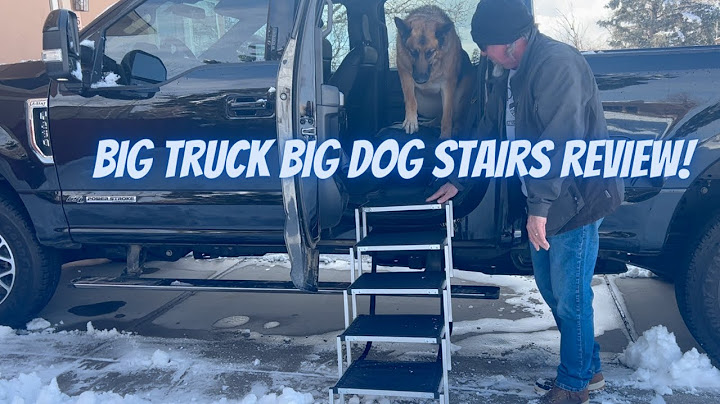
Before shopping, measure the height to the target furniture and the clear length and width available when the stairs are fully extended. Record the route people will take around the unit. Also measure the closet, under-bed or wall space where the folded product would be stored. "Compact" is not a universal dimension, and a folded frame may still be thick or too long for the intended storage location.
Understand common folding mechanisms
Products may use hinged tread sections, a collapsible A-frame-like arrangement, telescoping assemblies, or legs that fold behind a stair platform. These shapes differ in how they bear load and which parts must click or latch into place. Marketing pages may show the folded silhouette without an adequate close-up of the locks. Review all manufacturer diagrams and videos, and request an instruction manual if the listing does not explain deployment.
A folding stair product is not the same as a folding ramp. Ramps create a continuous incline and need their own grip, slope and mounting analysis. The canine ramp guide discusses that broader category, while this page focuses on the stability and operation of folding steps for indoor furniture.
Inspect locks, hinges and load-bearing joints
The product should have clear instructions explaining how to open it fully and confirm the engaged state. Some designs depend on a mechanical latch; others lock by the geometry of the frame. Do not assume that a visually open shape is structurally locked. Inspect hinge pins, screws, rivets and plastic joint housings for looseness, cracks or unexpected movement.
Apply only the checks described by the manufacturer before letting the dog approach. Pressing gently on treads and sides can reveal an obvious wobble, but aggressive loading or standing on the steps can exceed their designed use. Keep fingers, paws and fur away from pinch points during setup. Never fold the unit while a pet is on or near it.
If a locking component fails to engage consistently, stop using the staircase. A damaged joint can make an entire tread assembly fold unexpectedly. Contact the manufacturer for replacement guidance rather than improvising a wire tie or tape repair on a load-bearing joint.
Compare open and folded dimensions separately
A listing's headline size often refers to the opened staircase, but the space-saving claim may refer only to its folded thickness. You need both sets of measurements. Record the footprint in use, the furniture-facing top height, the lowest and highest tread dimensions, and the overall folded length, width and thickness. If the folded product has protruding feet or handles, include those in the storage measurement.
Also consider product weight. A lightweight unit is easier to carry but is not necessarily stable on polished floors. A heavier one may resist shifting, yet be awkward to unfold safely for a person with limited lifting ability. Choose a setup routine that the household can repeat correctly, not merely a model with the smallest folded number.
Verify treads, grip and published weight capacity
A manufacturer's stated maximum pet weight helps screen products, but it does not replace checking tread width, depth and material. A staircase may be rated for your dog's weight while forcing an uncomfortable paw placement. Soft tread pads can peel away at the edge; smooth plastic may need an explicitly designed traction surface. Check whether the tread is usable across its full width or partly obstructed by support bars.
The base should contact the actual floor securely. Folding legs must be fully deployed and set symmetrically, not one foot resting on a rug and another on bare tile. Check that the top step approaches the bed or sofa without a wide gap, and that a dog's normal turn at the top will not pull the frame sideways. For general indoor fit, use pet steps for bed.
A setup routine before every session
Carry the folded steps to a clear, level area with the dog temporarily kept away.
Unfold in the sequence described in the manual, avoiding pinch points.
Engage and visually confirm all locks, supports or retaining braces.
Position the unit square to the furniture and inspect each floor-contact foot.
Check tread pads, top landing and the open frame for twisting or wobble.
Allow a short supervised practice before expecting the dog to use the full staircase.
After use, prevent the dog from approaching and then fold and store the unit securely.
This routine matters more than an advertised "one-second setup" claim. A small incomplete movement can leave a latch almost, but not fully, engaged. If the structure requires several steps to lock correctly, it is worth practicing the sequence yourself without a dog present.
Storage, cleaning and failure signs
Store folded stairs where they cannot topple onto a pet or be accessed by a curious child. A vertical storage position may require a secure bracket or location that prevents falling. Keep the mechanism dry according to the manufacturer's instructions and remove dirt that could interfere with a latch. Avoid lubricant unless specified; some products use materials that should not be oiled.
Retire or repair through an authorized service channel if you notice cracked housings, bent hinge pins, locks that release unexpectedly, missing tread covers or feet that no longer contact the floor. A frame that develops movement during use is not safe merely because its rated load has not changed on paper. Inspect immediately after dropping or transporting the stairs.
Are folding stairs suitable for high beds or travel?
Some are, but a tall bed adds more height and may reduce available bedroom floor space. Check exact dimensions with the high-bed stairs guide rather than assuming a product is adequate because it folds. If the real use is loading into a car, read dog steps for cars because vehicle thresholds, door clearance and attachment are different from indoor furniture.
Travel use also means changing floors. An assembly stable on carpet might slide on hotel tile, and a dog accustomed to a permanent route may hesitate on a newly placed unit. Every relocation calls for a fresh stability check and supervised acclimation. Do not leave the steps open in an exit path or doorway.
Foldable stair comparison worksheet
| Checkpoint | Record | Reject or investigate if |
| Lock design | Latch or brace instructions | Locking state is unclear |
| Working size | Height, treads, footprint | Top landing or treads do not fit |
| Stored size | All folded dimensions | Cannot be stored securely |
| Load suitability | Manufacturer pet weight rating | Missing rating or poor body fit |
| Floor grip | Feet and floor material | Unit skids or rocks |
| Maintenance | Joint and cover replacement guidance | Critical damaged parts cannot be serviced |
Photographs show appearance; a dimensioned drawing and manual reveal how a product actually operates. Save both when comparing listings. It is reasonable to skip a model that offers no instructions for verifying the locking mechanism even if reviewers describe it as convenient.
Frequently asked questions
Are folding dog stairs less stable than fixed stairs?
Not necessarily, but they have hinges and locking elements that fixed units may not. Stability depends on design, correct deployment, weight rating, floor contact and maintenance.
Can I leave folding stairs open all day?
Only if the product is designed for that use, fully secured and suitable for the dog and location. A fixed unit may be easier for continuous access; keep the route clear and inspect it regularly.
How can I tell whether the steps are locked?
Follow the model-specific manual and confirm the indicated latch, brace or stop. Do not rely on appearance alone, and keep the dog away if the lock is inconsistent.
Do folding dog steps work for SUVs?
Indoor folding stairs are not automatically suited to vehicle loading. Vehicle steps need appropriate ground contact, threshold fit and attachment provisions; use a product specifically intended for that setting.
What if a hinge starts clicking or wobbling?
Stop using the unit and inspect according to the manual. An unexpected new sound or movement can indicate looseness or damage in a load-bearing mechanism.