Choosing Keto-Friendly Drinks Without Guessing
Learn how to check net-carbohydrate claims, sweeteners and serving sizes when comparing common drinks for a keto-style eating plan.
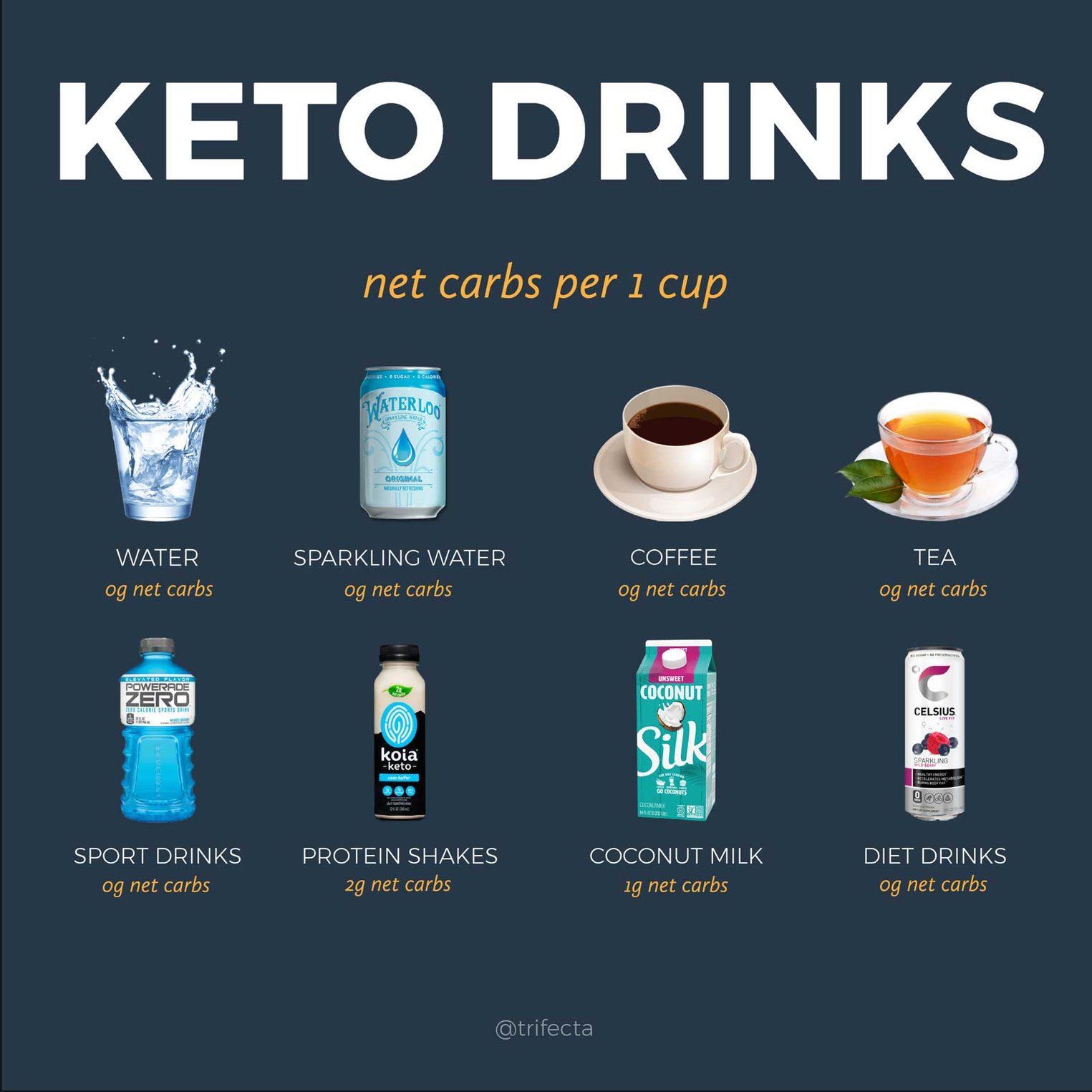
Keto-friendly drinks are usually selected because they contribute few carbohydrates to someone's daily eating pattern. But "keto" is not a universal numeric promise printed on every package, and a product described as sugar-free can still require a closer look. For a practical comparison, read the actual serving size and total carbohydrate amount, then consider sweeteners, mixers, and the rest of the meal. This guide is for general label literacy; a ketogenic diet prescribed for medical treatment requires individualized supervision.
Plain water, seltzer, and unsweetened options
Plain drinking water and unsweetened sparkling water are simple starting points because they ordinarily contain no sugars or carbohydrates. A flavored version may still be suitable, but check whether juice, sweetened concentrates, or other ingredients have been added. Plain tea and black coffee can also be low-carbohydrate choices. Once a drink is blended with sweetened milk, syrup, creamers, bottled flavor bases, or juice, its carbohydrate profile can change. Treat the finished drink as the item being evaluated, not only its first ingredient.
Read total carbohydrate, not slogans
First locate the serving size on the Nutrition Facts panel. Then read total carbohydrate per serving and consider how many servings you will actually drink. The added-sugars line is helpful but does not replace total carbohydrate. A dairy drink may contain naturally occurring lactose despite having no added sugar. A beverage sweetened with juice may be different from a plain carbonated water with natural flavoring. If a package highlights "zero sugar," verify the rest of the panel instead of treating the front as a complete diet analysis.
Coffee, tea, and packaged mixes
An unsweetened iced tea can be a very different choice from the same tea sold as a sweetened bottled drink. Coffee drinks likewise range from simple espresso over ice to milk-heavy beverages with sauces and syrups. Restaurant nutrition information can be useful when available, but recipes and portion sizes differ. Ask for unsweetened preparation when appropriate and check whether a flavor shot or powder includes sugars. At home, measure additions at least once so that a familiar recipe does not quietly become a much larger serving.
Sweeteners and labels: what to check
Sweeteners may be listed by names such as sucralose, stevia-derived ingredients, erythritol, or other sugar alcohols. Different ingredients can affect taste, texture, gastrointestinal tolerance, and how a product fits a personal plan. Packaging often advertises "net carbs," a calculation that is not a substitute for reading the full label. The FDA's standardized panel shows total carbohydrate, which offers a consistent first comparison. If you use a clinician-directed carbohydrate target, follow that guidance rather than accepting a broad internet rule about every sweetener.
Watch mixers and "healthy" beverages
Smoothies, coconut water, flavored milk, sports drinks, and bottled wellness shots can have different carbohydrate amounts depending on ingredients and portion sizes. A smoothie made from whole fruit is not nutritionally identical to a sugar-free syrup, but the presence of fruit does not mean its carbohydrates disappear. Energy drinks labeled zero sugar also require separate attention to caffeine. An alcohol-free mocktail is not automatically low carb if it contains lemonade or sweetened juice. Evaluate the complete recipe, and do not assume a product's healthful image answers a keto-specific question.
A repeatable drink-selection checklist
Decide whether you need a plain daily drink, a coffee-shop order, a packaged convenience option, or an occasional social beverage. Read total carbohydrate per actual serving. Check the ingredient list for unexpected sweetened components, and make sure the drink's caffeine and other features fit your situation. If you are on a ketogenic diet for seizures, metabolic conditions, or another medical reason, ask your care team before changing products or macronutrient targets. For general nutrition comparisons beyond carbohydrates, the nutritional beverages guide covers a different question.
Quick checklist
Check total carbohydrate for the amount actually consumed.
Sugar-free labels do not replace the full ingredients and nutrient panel.
Medical ketogenic diets require a treating team’s guidance.
Continue exploring
For a related question, see types of beverages; and reading nutritional beverage labels.