How to Compare Nutritional Beverages
Learn what nutritional beverage labels mean, how to compare ingredients and when professional advice is appropriate.
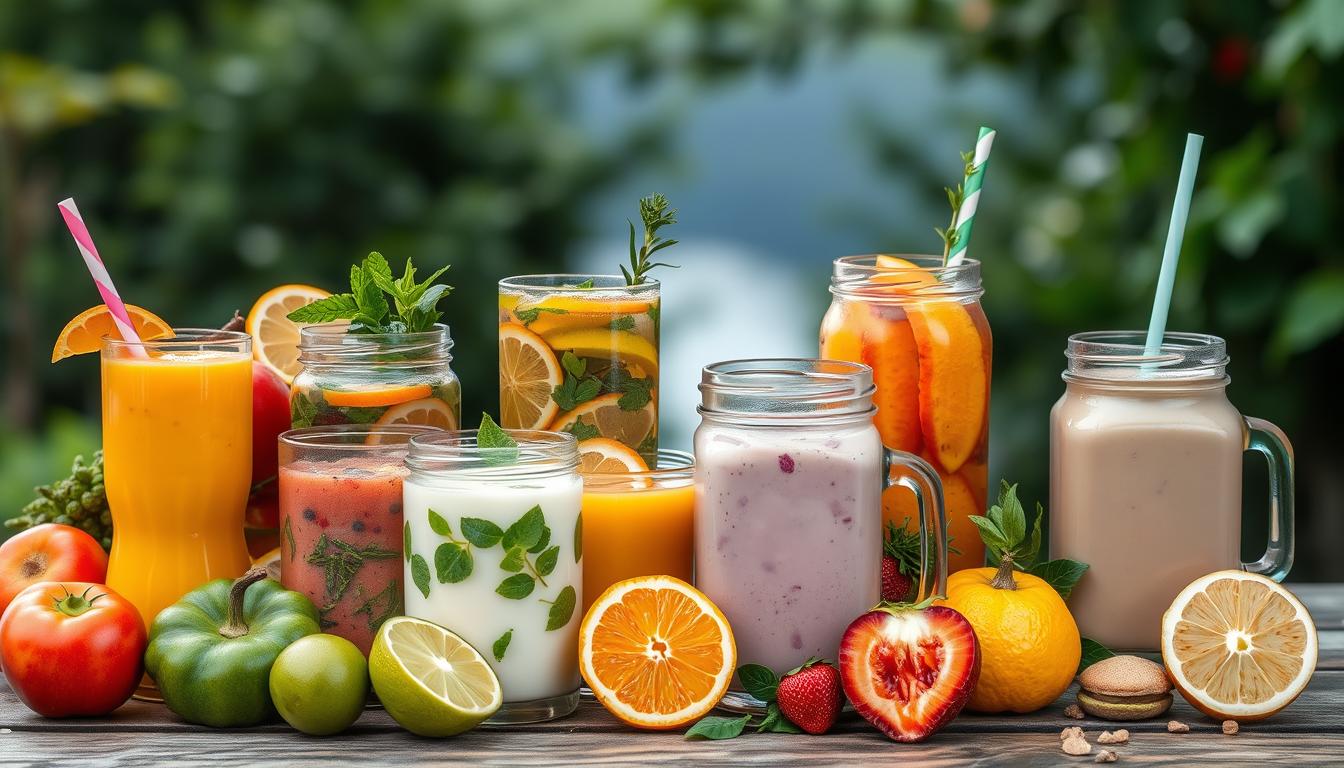
Nutritional beverages include ready-to-drink shakes, fortified drinks, protein beverages, and products sold for specific eating occasions. Their packaging may promise energy, performance, meal convenience, or extra nutrients, but those phrases do not tell you whether a drink fits your needs. A better approach is to compare the Nutrition Facts panel, ingredient list, serving size, and the reason you want the drink. This is a label-reading framework, not a substitute for an individualized diet plan.
Different purposes produce different formulas
Some shakes are intended as a convenient snack; others supply a larger amount of calories or protein. Milk-based products can differ from plant-based options in protein quality, fortification, and allergens. A powdered mix prepared with water will not necessarily match the nutrients of the same scoop mixed with milk. Drinks aimed at athletes, older adults, and busy commuters may use overlapping marketing phrases yet target different situations. Before comparing brands, define the intended use: adding protein to a meal, obtaining a portable snack, or meeting a medical nutrition need under professional guidance.
Start with serving size and calories
On the US Nutrition Facts label, amounts typically correspond to the serving size shown at the top. A container may hold more than one serving. Compare the same amount of prepared drink, not an eight-ounce label against a larger bottle without adjusting. Calories are not inherently good or bad; their relevance depends on the intended use. A small protein drink may be convenient after a meal, while a higher-calorie shake might be designed for someone needing more energy. The label itself does not diagnose that need or prove that one formula is superior.
Check protein, added sugars, and sodium
A large number on the front of a carton can distract from the rest of the panel. Look at grams of protein per serving, then added sugars rather than assuming "sweet" and "no added sugar" are interchangeable. Total sugars may include naturally occurring milk sugars or fruit sugars; added sugars are listed separately on regulated US Nutrition Facts labels. Sodium can also matter for some users. If comparing different bottle sizes, calculate the amount you would actually consume. A product labeled "high protein" is not automatically low in added sugar or suitable for a particular medical condition.
Ingredients and claims deserve a second look
Read the ingredient list for allergens and ingredients you prefer to avoid. Milk, soy, and other common allergens need particular care when buying for a group. Sweetener names may differ from what appears on the front label, and fortified products may contain added vitamins and minerals. "Complete," "balanced," and "immune support" can be interpreted too broadly. A nutrition claim should be assessed in the context of the actual formulation and the person's overall diet. If you are uncertain about a disease-related claim, do not treat a marketing line as medical evidence.
When a professional assessment matters
People managing kidney disease, diabetes, swallowing difficulties, food allergies, or medically prescribed nutrition may need advice beyond a supermarket comparison. Protein, carbohydrate, fluid volume, and electrolyte requirements can differ substantially. Children and people with specialized medical needs should not simply receive an adult-labeled shake because it sounds healthy. A registered dietitian or treating clinician can help determine whether a particular product and amount are appropriate. This guide deliberately avoids suggesting doses or claiming a packaged beverage treats an illness.
A simple side-by-side decision sheet
Write down the product, prepared serving size, calories, protein grams, added sugars, and any relevant allergens. Add a final column for your goal: snack, protein supplement, portable meal component, or medically supervised option. Compare those columns before price or flavor. If two drinks have very different serving sizes, normalize the comparison or consider how much you would actually drink. The right choice is the one that addresses the stated purpose without relying on an unsupported promise from the label.
Quick checklist
Check container size before comparing calories and nutrients.
Compare added sugars separately from total sugars.
Ask a qualified professional for medical nutrition decisions.
Continue exploring
For a related question, see types of beverages; and choosing keto-friendly drinks.