Joan of Arc: Life, Trial and Historical Legacy
Joan of Arc: Life, Trial and Historical Legacy Explore evidence-based facts, context and common misconceptions.
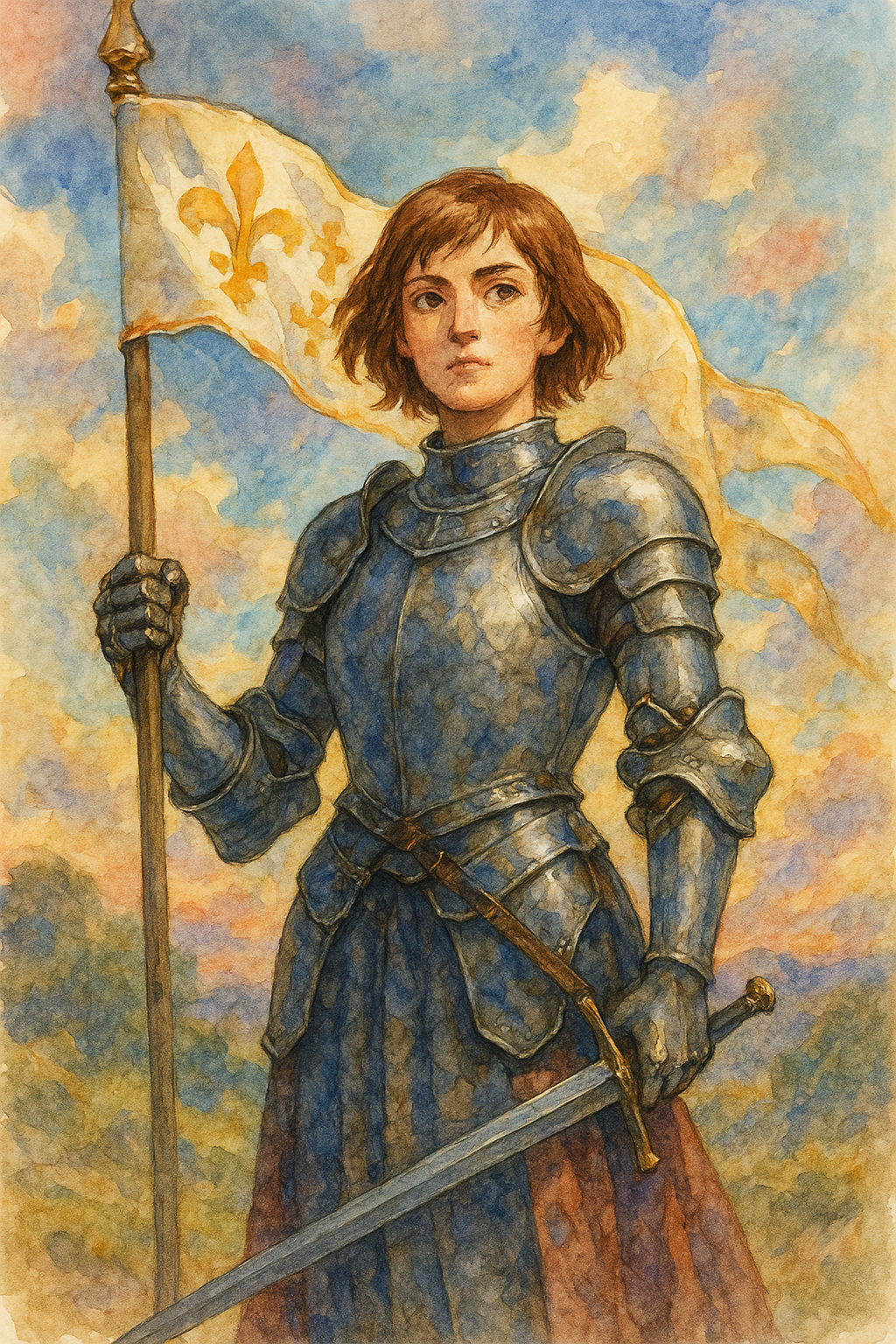
Joan of Arc: Life, Trial and Historical Legacy
Joan of Arc was a French teenager who became a prominent figure in the later stages of the Hundred Years’ War. In 1429 she accompanied French forces during the campaign that relieved the siege of Orléans and helped advance Charles VII’s cause.
The essentials
Joan said she experienced religious visions, and these convictions became central to both her public role and later trial. She was captured in 1430, tried in an English-controlled ecclesiastical court, and executed in Rouen in 1431.
What makes this subject distinctive
Her historical legacy is not identical to the legend of a lone warrior winning France’s war. Military campaigns involved many commanders and political forces, while the surviving trial records reflect both Joan’s words and the court’s adversarial setting.
An event rarely has just one cause or consequence. Politics, institutions, available technology, and individual decisions interacted over time. A timeline keeps these layers visible and prevents a famous person from becoming the sole explanation for a complicated change.
Common misconceptions and limits
A rehabilitation trial later overturned the earlier judgment, and Joan was canonized centuries afterward. Historians distinguish these later interpretations from records closest to the events.
An attractive story is not necessarily a documented fact. A credible historical argument distinguishes contemporary accounts, material evidence, and later retellings, and avoids giving exact diagnoses or motives when the surviving sources cannot support them.
What counts as evidence
Historians compare primary records, archaeological findings, material objects, and later interpretations. Sources can disagree because they were produced at different times and for different audiences. A credible explanation distinguishes well-documented events from popular stories.
Key points at a glance
Joan of Arc was a French teenager who became a prominent figure in the later stages of the Hundred Years’ War.
Joan said she experienced religious visions, and these convictions became central to both her public role and later trial.
Her historical legacy is not identical to the legend of a lone warrior winning France’s war.
Frequently asked questions
What do the records establish?
Joan of Arc was a French teenager who became a prominent figure in the later stages of the Hundred Years’ War.
What wider context matters?
Joan said she experienced religious visions, and these convictions became central to both her public role and later trial.
Which popular interpretation needs caution?
A rehabilitation trial later overturned the earlier judgment, and Joan was canonized centuries afterward.
Explore related guides
History Explained: People, Inventions and Events That Changed the World
