Nebuchadnezzar II: Babylon, Empire and Archaeology
Nebuchadnezzar II: Babylon, Empire and Archaeology Explore evidence-based facts, context and common misconceptions.
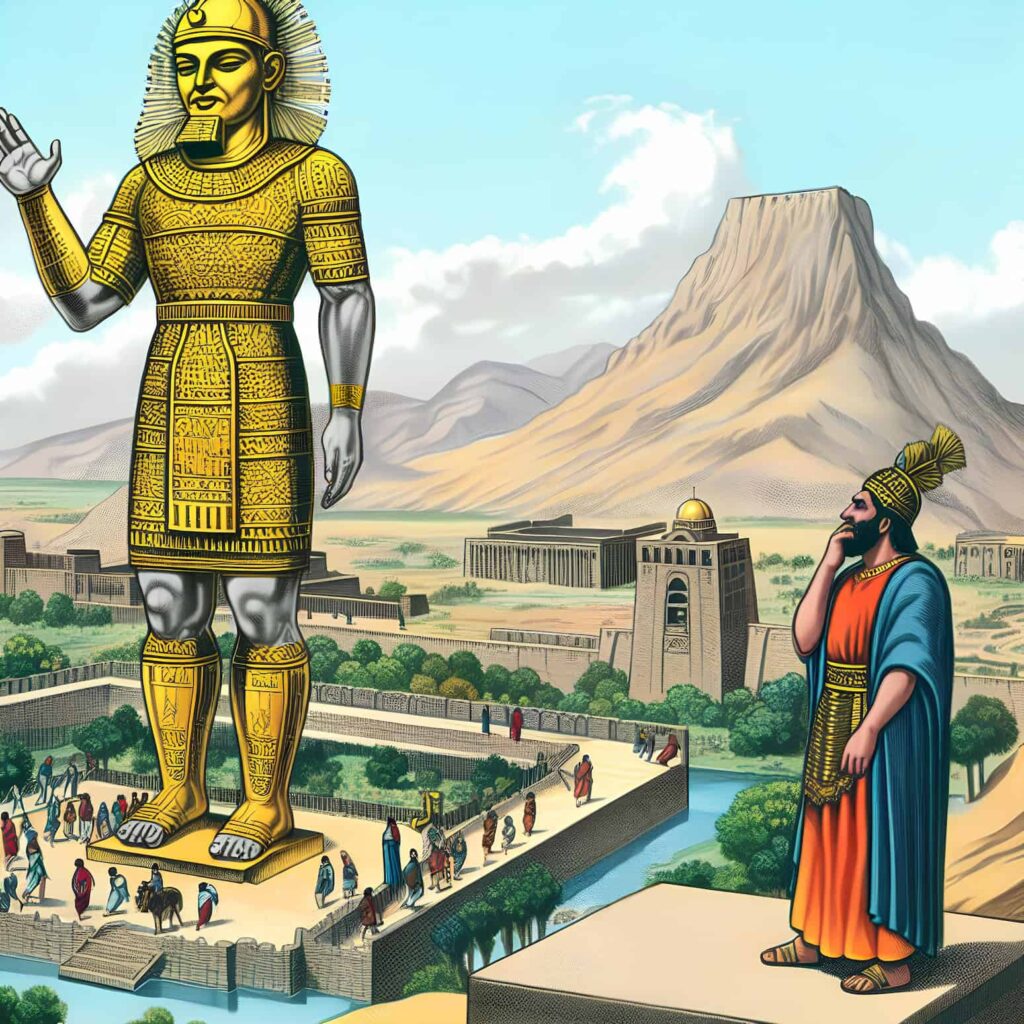
Nebuchadnezzar II: Babylon, Empire and Archaeology
Nebuchadnezzar II ruled the Neo-Babylonian Empire from 605 to 562 BCE. He is remembered for military campaigns, the expansion of Babylon, and major building projects, including monumental gates and city walls.
The essentials
Babylonian inscriptions and archaeological evidence help historians reconstruct his reign. The conquest of Jerusalem and destruction of its temple are also central to the historical traditions associated with his rule.
What makes this subject distinctive
The famous Hanging Gardens of Babylon are often attributed to Nebuchadnezzar, but their location and even their historical existence remain debated. Evidence for the gardens is much less secure than evidence for Babylon’s surviving monumental architecture.
An event rarely has just one cause or consequence. Politics, institutions, available technology, and individual decisions interacted over time. A timeline keeps these layers visible and prevents a famous person from becoming the sole explanation for a complicated change.
Common misconceptions and limits
Biblical narratives, royal inscriptions, and modern archaeology offer different perspectives. Readers should distinguish these source types rather than treating every traditional story as independently verified.
An attractive story is not necessarily a documented fact. A credible historical argument distinguishes contemporary accounts, material evidence, and later retellings, and avoids giving exact diagnoses or motives when the surviving sources cannot support them.
Avoiding familiar myths
Memorable stories tend to grow simpler with repetition. Check whether a quotation survives in contemporary records, whether a claim emerged much later, and whether an invention or achievement had predecessors and collaborators. It is better to explain uncertainty than to repeat an unsupported legend.
Key points at a glance
Nebuchadnezzar II ruled the Neo-Babylonian Empire from 605 to 562 BCE.
Babylonian inscriptions and archaeological evidence help historians reconstruct his reign.
The famous Hanging Gardens of Babylon are often attributed to Nebuchadnezzar, but their location and even their historical existence remain debated.
Frequently asked questions
What do the records establish?
Nebuchadnezzar II ruled the Neo-Babylonian Empire from 605 to 562 BCE.
What wider context matters?
Babylonian inscriptions and archaeological evidence help historians reconstruct his reign.
Which popular interpretation needs caution?
Biblical narratives, royal inscriptions, and modern archaeology offer different perspectives.
Explore related guides
History Explained: People, Inventions and Events That Changed the World
Nellie Bly: Investigative Journalism and Her Legacy
Black Inventors and Scientists: Contributions and Historical Context
