Who Were the Hittites? Anatolian Empire and History
Who Were the Hittites? Anatolian Empire and History Explore evidence-based facts, context and common misconceptions.
Who Were the Hittites? Anatolian Empire and History
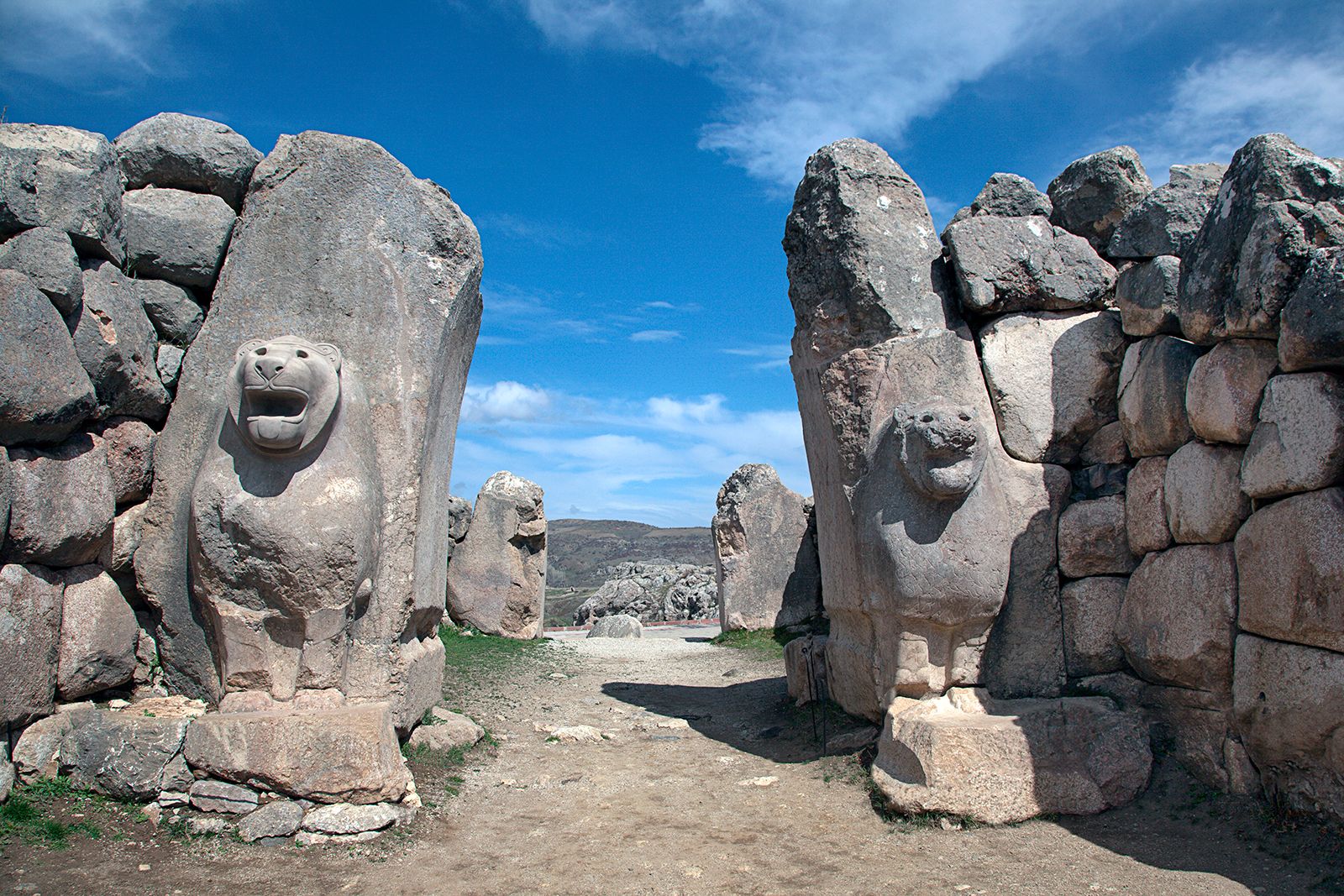
The Hittites built a powerful Bronze Age state centered in Anatolia, with its capital at Hattusa in present-day Turkey. Their empire became a major competitor to Egypt and other eastern Mediterranean powers in the second millennium BCE.
The essentials
Cuneiform archives reveal administration, diplomacy, laws, and religious traditions. The Battle of Kadesh and subsequent treaty with Egypt are among the best-known episodes in Hittite international relations.
What makes this subject distinctive
Hittite history should not be reduced to a single biblical reference or to one ethnic label. The empire incorporated diverse populations and languages, including Indo-European Hittite and other Anatolian traditions.
An event rarely has just one cause or consequence. Politics, institutions, available technology, and individual decisions interacted over time. A timeline keeps these layers visible and prevents a famous person from becoming the sole explanation for a complicated change.
Common misconceptions and limits
The state eventually fragmented amid wider changes near the end of the Late Bronze Age. Causes remain debated and likely involved more than one political, environmental, and military pressure.
An attractive story is not necessarily a documented fact. A credible historical argument distinguishes contemporary accounts, material evidence, and later retellings, and avoids giving exact diagnoses or motives when the surviving sources cannot support them.
What counts as evidence
Historians compare primary records, archaeological findings, material objects, and later interpretations. Sources can disagree because they were produced at different times and for different audiences. A credible explanation distinguishes well-documented events from popular stories.
Key points at a glance
The Hittites built a powerful Bronze Age state centered in Anatolia, with its capital at Hattusa in present-day Turkey.
Cuneiform archives reveal administration, diplomacy, laws, and religious traditions.
Hittite history should not be reduced to a single biblical reference or to one ethnic label.
Frequently asked questions
What do the records establish?
The Hittites built a powerful Bronze Age state centered in Anatolia, with its capital at Hattusa in present-day Turkey.
What wider context matters?
Cuneiform archives reveal administration, diplomacy, laws, and religious traditions.
Which popular interpretation needs caution?
The state eventually fragmented amid wider changes near the end of the Late Bronze Age.
Explore related guides
History Explained: People, Inventions and Events That Changed the World
