Horse Sounds and Meanings: Neighs, Snorts and More
Horse Sounds and Meanings: Neighs, Snorts and More. Discover practical facts, risks, and care considerations before you decide what to do next.
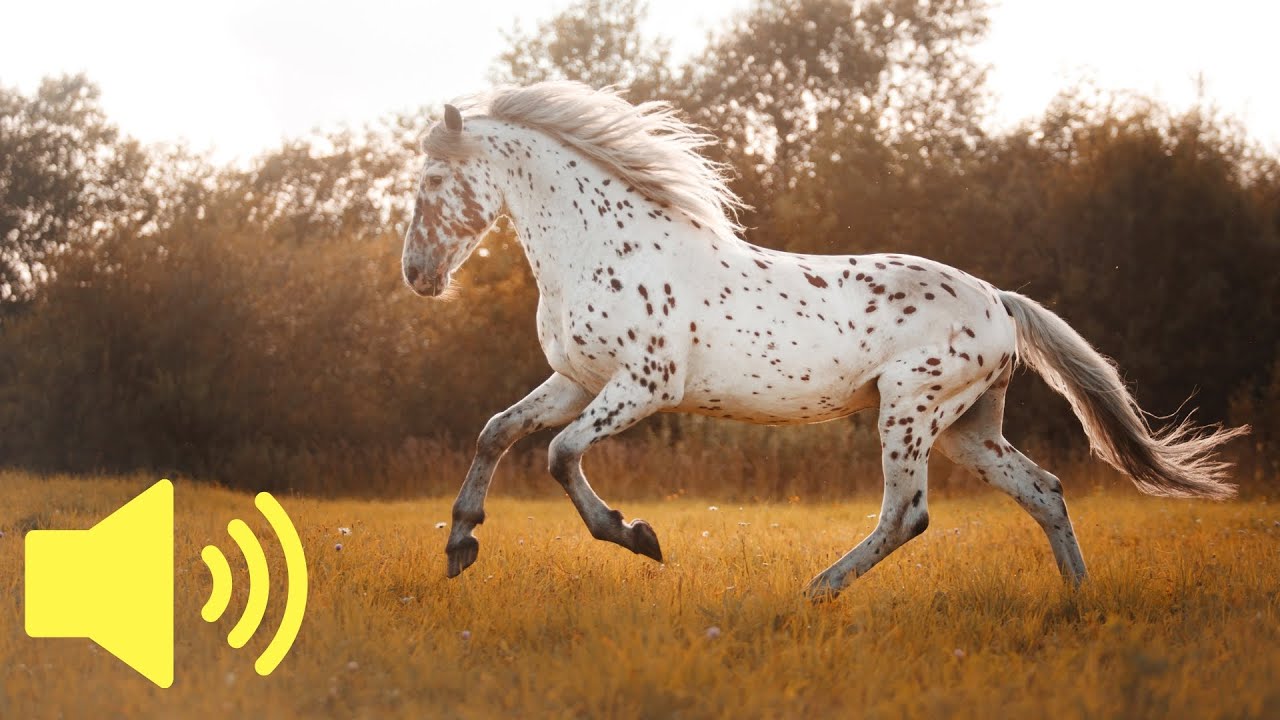
Horse Sounds and Meanings: Neighs, Snorts and More
Horses communicate through neighs, nickers, snorts, squeals, and quieter breath and body signals. A nicker may occur around familiar horses or anticipated feeding; a loud whinny can help maintain contact with separated companions. Sound does not carry one fixed emotional meaning.
What the context tells you
Ears, eyes, muzzle, tail, stance, and the surrounding situation help interpret a vocalization. A snort can occur with exploration or alertness; squeals may accompany defensive interactions. Stress or pain can also change a horse's normal vocal behavior and movement.
Practical steps and everyday care
Watch groups from a safe distance and note who is approaching, what resources are nearby, and whether ears and body remain relaxed. Use safe handling and gradual training rather than relying on supposed translations from sound clips.
Make the advice individual to the horse
Horses vary in age, workload, body condition, conformation, temperament, and health. A useful plan accounts for forage availability, clean water, social contact, hoof care, dentistry, shelter, and the skill of the person handling the horse. Sudden changes in feeding or physical work can have serious consequences. Record changes in gait, manure, appetite, and behavior, and consult an equine veterinarian for concerns beyond routine management.
A real-world example
A horse may nicker when a familiar stablemate approaches feed time, while a high whinny may occur when companions are separated. Neither sound is an exact translation of happiness or loneliness. Notice ear direction, body tension, movement, and the entire situation before assigning meaning.
Safety, welfare, and common misconceptions
Any unusual sound coupled with labored breathing, distress, or a sudden loss of normal activity should prompt veterinary assessment. Reading the whole horse is more reliable than labeling one noise as happy or angry.
A quick decision checklist
Assess the individual horse’s condition, workload, environment, and daily routine.
Interpret vocalizations with ear, posture and environment cues.
Record appetite, manure output, movement, behavior, and any recent management changes.
Seek qualified veterinary, extension, or species-specialist guidance before using medication or making major changes.
Frequently asked questions
Can one chart decide what every horse needs?
No. Body condition, fitness, age, workload, tack fit, and health make individual assessment essential. A chart can prompt a question, but it cannot replace professional examination or practical observation.
When should an equine professional be called?
Call for colic signs, marked lameness, breathing problems, severe weakness, or changes in behavior that suggest pain. Routine dental, hoof, and nutrition planning also benefits from professional input.
Related reading
horse care essentials for new owners
how much weight can a horse carry
Reliable resources for further checking
Editorial status: draft. Check current professional guidance and local rules before publication; urgent symptoms require appropriate veterinary help.
