Where Did Horses Originate? Evolution and Domestication
Where Did Horses Originate Evolution and Domestication. Discover practical facts, risks, and care considerations before you decide what to do next.
Where Did Horses Originate? Evolution and Domestication
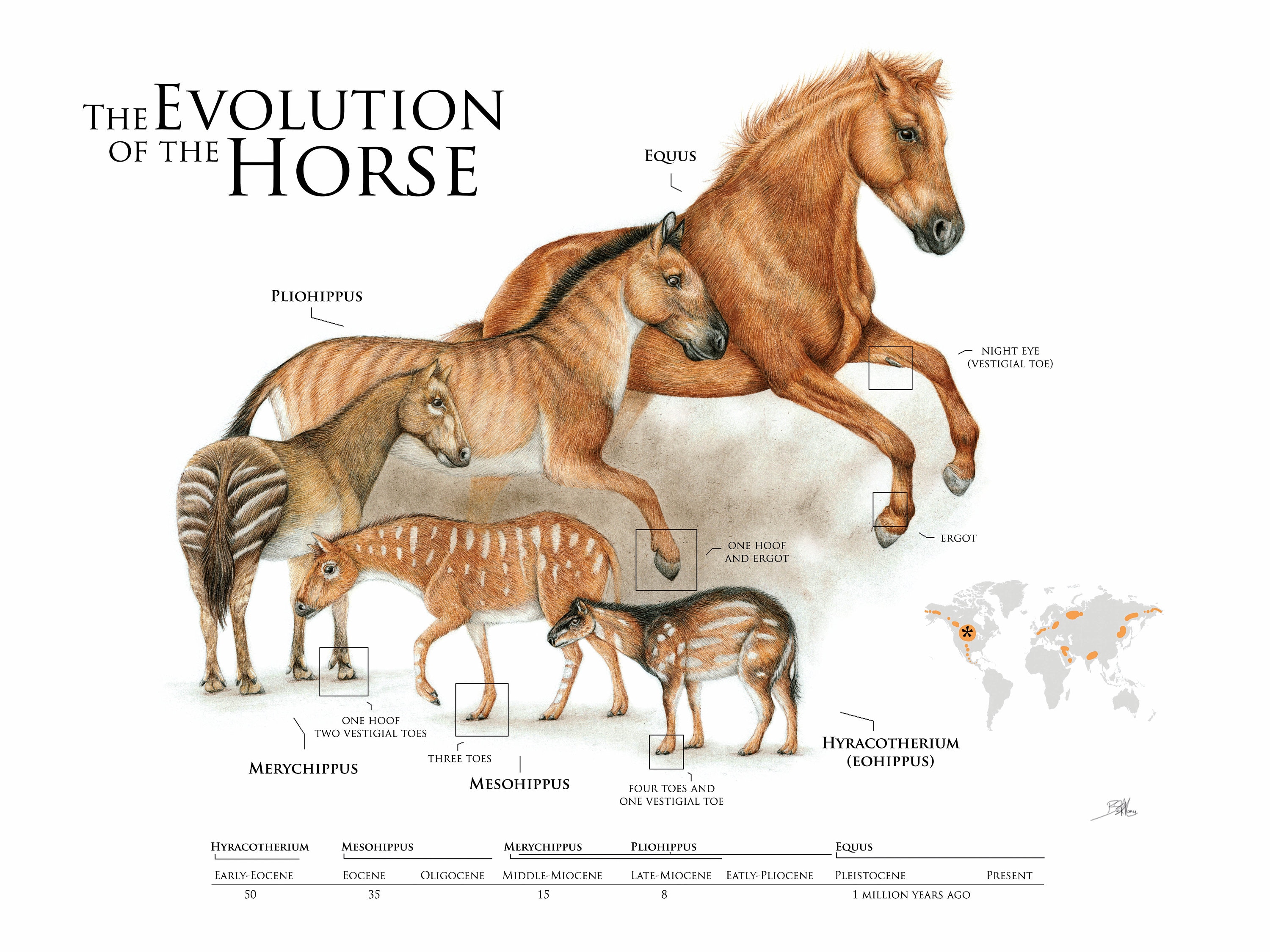
The horse family evolved in North America over millions of years before lineages spread to other continents. Early equids differed greatly from modern horses in size, limb structure, and teeth. Evolution of open-country grazing adaptations was not a simple ladder from one ancestor to one modern animal.
What the context tells you
Modern domestic horses descend from a complex history of wild populations and human management. Researchers distinguish deep equid evolution from the much more recent domestication process; archaeological and genetic evidence about origins and spread has been revised over time.
Practical steps and everyday care
When reading about horse origins, separate fossil evidence, evolutionary relationships, and dates of domestication. Check whether a source refers to Equus, ancient equids, or the ancestry of today's domestic horses. Museum and peer-reviewed sources are better than attractive but outdated linear illustrations.
Make the advice individual to the horse
Horses vary in age, workload, body condition, conformation, temperament, and health. A useful plan accounts for forage availability, clean water, social contact, hoof care, dentistry, shelter, and the skill of the person handling the horse. Sudden changes in feeding or physical work can have serious consequences. Record changes in gait, manure, appetite, and behavior, and consult an equine veterinarian for concerns beyond routine management.
A real-world example
A graphic showing a tiny prehistoric equid marching in a straight line toward the modern horse is visually simple but scientifically incomplete. Evolution involved branching lineages and changing environments. A useful educational article should separate fossil horse relatives, the emergence of Equus, and the later evidence for human domestication.
Safety, welfare, and common misconceptions
A historical explanation should acknowledge scientific uncertainty where evidence is incomplete. Claims that every horse breed independently arose in one modern country or that one fossil sequence tells the whole story are too simplistic.
A quick decision checklist
Assess the individual horse’s condition, workload, environment, and daily routine.
Separate equid evolution from debated domestication evidence.
Record appetite, manure output, movement, behavior, and any recent management changes.
Seek qualified veterinary, extension, or species-specialist guidance before using medication or making major changes.
Frequently asked questions
Can one chart decide what every horse needs?
No. Body condition, fitness, age, workload, tack fit, and health make individual assessment essential. A chart can prompt a question, but it cannot replace professional examination or practical observation.
When should an equine professional be called?
Call for colic signs, marked lameness, breathing problems, severe weakness, or changes in behavior that suggest pain. Routine dental, hoof, and nutrition planning also benefits from professional input.
Related reading
horse care essentials for new owners
how much weight can a horse carry
Reliable resources for further checking
Editorial status: draft. Check current professional guidance and local rules before publication; urgent symptoms require appropriate veterinary help.
