Horse Teeth and Incisors: Dental Care and Age Myths
Horse Teeth and Incisors: Dental Care and Age Myths. Discover practical facts, risks, and care considerations before you decide what to do next.
Horse Teeth and Incisors: Dental Care and Age Myths
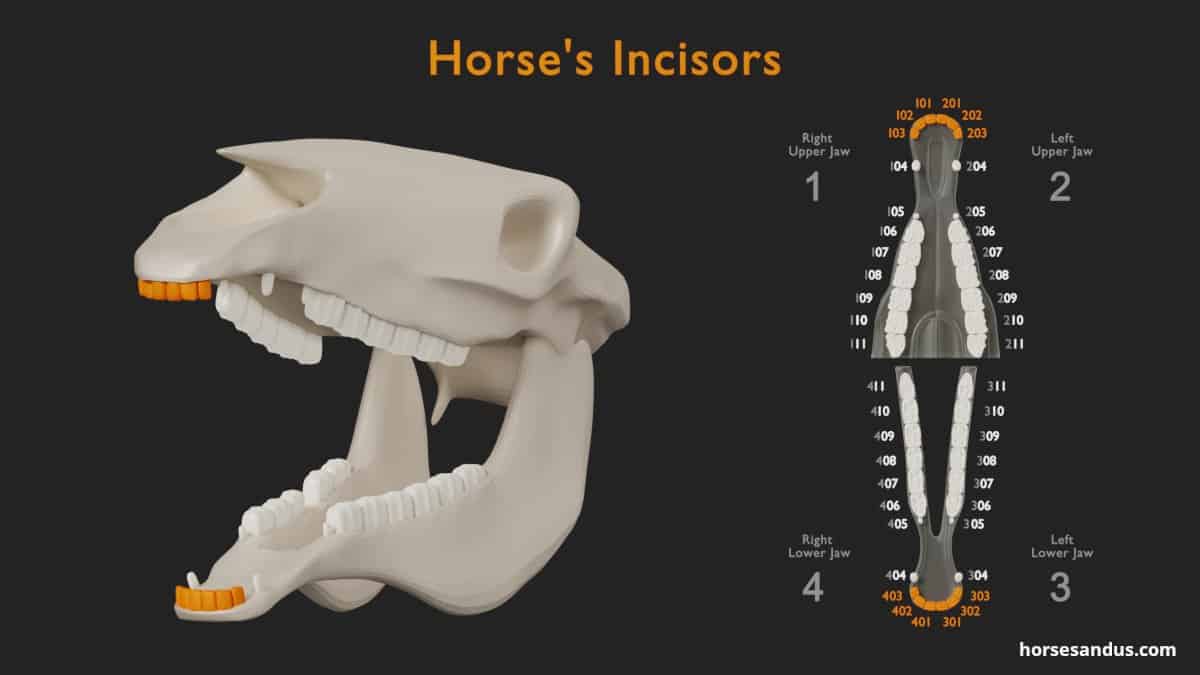
Horses have incisors at the front of the mouth that crop forage, followed by cheek teeth that grind it. Teeth erupt and wear throughout life, and dental patterns can offer clues about age, but estimating a horse's exact age from teeth is unreliable—especially in older animals.
What the context tells you
Sharp enamel points, abnormal wear, retained caps in younger horses, and other dental disease can cause discomfort and interfere with chewing or tack acceptance. A horse may continue eating while compensating for pain. Poor weight and dropping partially chewed feed can be warning signs.
Practical steps and everyday care
Schedule dental evaluation with a qualified equine veterinarian or appropriately credentialed dental professional under local regulations. Note quidding, bad breath, facial swelling, or unusual resistance to the bit. Use feeding and tack adjustments only with professional guidance.
Make the advice individual to the horse
Horses vary in age, workload, body condition, conformation, temperament, and health. A useful plan accounts for forage availability, clean water, social contact, hoof care, dentistry, shelter, and the skill of the person handling the horse. Sudden changes in feeding or physical work can have serious consequences. Record changes in gait, manure, appetite, and behavior, and consult an equine veterinarian for concerns beyond routine management.
A real-world example
A horse that begins dropping wads of hay may be struggling to chew, even if its incisors look fine. Dental problems frequently involve cheek teeth that are difficult to inspect safely without proper equipment. Arrange an equine dental exam rather than trying to file visible teeth yourself.
Safety, welfare, and common misconceptions
Floating should be based on examination, not an arbitrary frequent schedule. Untrained tooth filing or mouth procedures are hazardous and can damage the horse.
A quick decision checklist
Assess the individual horse’s condition, workload, environment, and daily routine.
Explain tooth structure, eruption, dental floating and unreliability of exact aging by teeth.
Record appetite, manure output, movement, behavior, and any recent management changes.
Seek qualified veterinary, extension, or species-specialist guidance before using medication or making major changes.
Frequently asked questions
Can one chart decide what every horse needs?
No. Body condition, fitness, age, workload, tack fit, and health make individual assessment essential. A chart can prompt a question, but it cannot replace professional examination or practical observation.
When should an equine professional be called?
Call for colic signs, marked lameness, breathing problems, severe weakness, or changes in behavior that suggest pain. Routine dental, hoof, and nutrition planning also benefits from professional input.
Related reading
horse care essentials for new owners
how much weight can a horse carry
Reliable resources for further checking
Editorial status: draft. Check current professional guidance and local rules before publication; urgent symptoms require appropriate veterinary help.
