How Much Weight Can a Horse Carry? Welfare Factors
How Much Weight Can a Horse Carry Welfare Factors. Discover practical facts, risks, and care considerations before you decide what to do next.
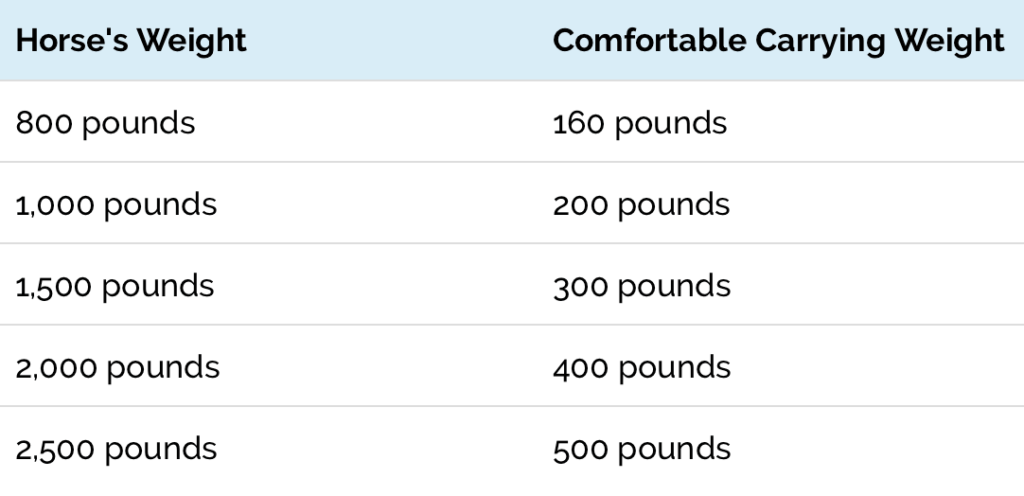
How Much Weight Can a Horse Carry? Welfare Factors
There is no universally safe rider-weight percentage that works for every horse. Carrying ability depends on the horse's conformation, body condition, fitness, age, health, gait, terrain, workload, and how well the saddle fits. Tack and equipment weight count alongside the rider.
What the context tells you
A fit horse with sound legs and appropriately distributed load may manage a task better than an unconditioned horse facing hills and long hours, even if the numeric loads match. Back soreness, shortened stride, reluctance, and fatigue are signals to reassess the entire setup.
Practical steps and everyday care
Ask an experienced equine veterinarian, saddle fitter, and trainer to evaluate the individual horse. Weigh rider and tack accurately, build conditioning gradually, choose terrain carefully, and allow rest and hydration. Watch the horse's movement before and after work.
Make the advice individual to the horse
Horses vary in age, workload, body condition, conformation, temperament, and health. A useful plan accounts for forage availability, clean water, social contact, hoof care, dentistry, shelter, and the skill of the person handling the horse. Sudden changes in feeding or physical work can have serious consequences. Record changes in gait, manure, appetite, and behavior, and consult an equine veterinarian for concerns beyond routine management.
A real-world example
Two horses of similar height can respond differently to the same rider and saddle because of conditioning, conformation, and back health. Tack fit and rider balance also influence comfort. Rather than using a single percentage as permission, evaluate the individual horse's workload with equine professionals and watch for changes in movement.
Safety, welfare, and common misconceptions
Do not treat an online 20-percent rule as a guarantee or a substitute for a soundness assessment. A horse that shows pain, persistent gait change, or marked exhaustion should stop carrying work until evaluated.
A quick decision checklist
Assess the individual horse’s condition, workload, environment, and daily routine.
Explain horse conformation, fitness, tack, rider balance and why one percentage is not universal.
Record appetite, manure output, movement, behavior, and any recent management changes.
Seek qualified veterinary, extension, or species-specialist guidance before using medication or making major changes.
Frequently asked questions
Can one chart decide what every horse needs?
No. Body condition, fitness, age, workload, tack fit, and health make individual assessment essential. A chart can prompt a question, but it cannot replace professional examination or practical observation.
When should an equine professional be called?
Call for colic signs, marked lameness, breathing problems, severe weakness, or changes in behavior that suggest pain. Routine dental, hoof, and nutrition planning also benefits from professional input.
Related reading
horse care essentials for new owners
Reliable resources for further checking
Editorial status: draft. Check current professional guidance and local rules before publication; urgent symptoms require appropriate veterinary help.
