Paludarium Tanks: How to Choose a Safe Water-and-Land Enclosure
Compare paludarium tank designs, waterproof bases, usable water volume, ventilation, access and safety before buying or converting an enclosure.
Paludarium Tanks: How to Choose a Safe Water-and-Land Enclosure
A good paludarium tank is not simply a tall glass box that looks attractive when filled. It is an enclosure with a water-rated lower section, enough accessible room for a genuine land area, appropriate ventilation and secure maintenance access. Before choosing one, verify its permitted water depth, real usable water volume, door and drain design, support requirements, and the needs of any animals you intend to keep.
Quick answer: what makes a paludarium tank suitable?
Choose a tank whose manufacturer explicitly allows the intended standing-water depth, including any limitations on door thresholds, drain fittings and seals. Measure how much usable water and dry land remain after installing the internal features. Then check whether you can reach the filter, remove debris, trim plants, secure cables and prevent escapes without dismantling the entire enclosure. Attractive dimensions alone cannot answer these questions.
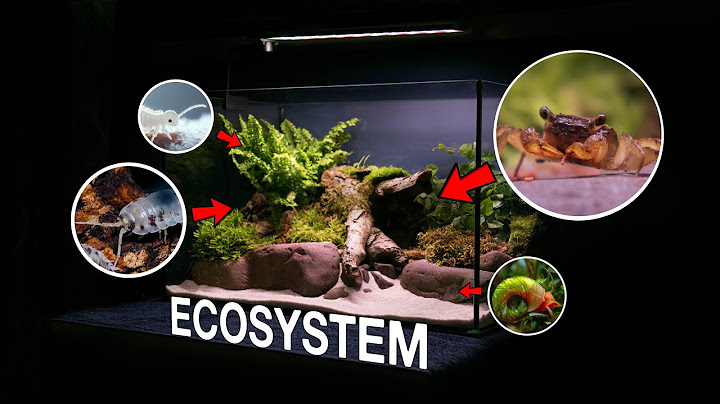
If the display is plant-only, prioritize the plant environment and maintenance access. If you want living animals, decide which species the enclosure must support before selecting its shape; a setup that suits one species may be unsuitable or dangerous for another.
Purpose-built paludarium, converted aquarium or ordinary vivarium?
Purpose-built paludarium — Usually the simplest starting point when you want both an elevated land feature and a permanent pool. Look for a manufacturer-stated water-holding base, clearly defined waterline, secure front or top access, ventilation, and service openings. These features vary by model; the name on the box is not a substitute for specifications.
Aquarium converted for a paludarium — An aquarium is designed to hold water when used according to its rating, so the aquatic portion can be straightforward. But a standard aquarium may have less convenient front access to elevated plants, and any added structure or enclosure lid must be designed for stability, ventilation and containment.
Ordinary reptile vivarium — Useful for comparison, but many models are meant for humid substrate or shallow drainage only, not a standing pool. A sealed-looking bottom, decorative waterfall image or misting compatibility does not prove an enclosure can be filled to your planned waterline.
A dedicated paludarium is not automatically better for every project. Decide according to the water section, intended resident, plant height and maintenance routine rather than choosing by appearance alone.
Verify the rated waterline, door threshold and seams
Look for documentation that specifies a waterproof bottom or an allowable water level. Check the height of the front glass below any opening door, the placement of ventilation slots, and whether any drain must be fully assembled before the base is watertight. A door threshold that sits below your proposed waterline is an obvious reason to reject that plan. Drain closures, tubing connections and gaskets need the model-specific installation and inspection described by the manufacturer.
Do not assume that aquarium-safe silicone can fix an enclosure that was never engineered for that water load. Homemade modifications may change structural loads and invalidate the product warranty. Where the manufacturer does not publish a usable water depth, request clarification rather than treating the enclosure as waterproof by default.
Before adding animals, perform a leak inspection in a location where a spill cannot damage flooring or electrical equipment, following the product instructions. Make sure any plug, drain and bulkhead remain accessible after landscaping.
Measure usable pool volume, not just the outside dimensions
Retail listings often promote outside dimensions or total enclosure capacity. Neither number tells you how many gallons the pool actually contains once a raised land platform, background, rockwork, pump and substrate occupy part of it. A tall enclosure can have a surprisingly small aquatic section.
For a simple rectangular, unobstructed pool, an illustrative US-gallon estimate is: inside length (inches) × inside width (inches) × actual water depth (inches) ÷ 231. For example, a 12 × 12-inch internal footprint filled to 6 inches gives 864 cubic inches, or about 3.7 US gallons before displacement. This is only a geometry example, not a recommended water depth or animal stocking volume. Rocks, shelves and equipment reduce the usable amount further.
The quantity of water matters for equipment sizing and water-parameter stability. If aquatic animals are planned, assess their swimming space, water quality, depth and minimum habitat requirements independently; a small decorative pool is not automatically an appropriate aquarium.
Check land area, height, strength and escape prevention
Draw a rough side view before buying. Label the true waterline, the dry standing or planting zone, the height of any platform, and the space that remains above it. A generous advertised height may shrink rapidly after substrate, hardscape and light clearance are accounted for. Land shelves must be supported by suitable methods and must not place point loads on unsupported glass.
Consider how animals could climb, fall into deep water, become trapped behind a background or squeeze through cable slots. Secure lids and door catches are particularly important for climbing or small species. Avoid the assumption that all amphibians need deep water or that a mix of frogs, reptiles and fish is safe simply because the habitat has land and water.
For a broader discussion of enclosure types and construction, keep that question with the existing vivarium guide rather than turning this buying guide into a general tank-build tutorial.
Balance ventilation, humidity and doors
A water feature raises humidity, but a fully sealed case can encourage condensation and stale air. Check the location and adjustability of vents, the type of screen lid and any airflow channels. Make sure ventilation does not create escape gaps or leave a species without its required environmental conditions. Visible condensation by itself is not a reliable humidity measurement.
Front-opening doors can make trimming foliage and feeding easier, provided their threshold is above the allowed waterline. A top-opening aquarium can be a sensible option when the aquatic portion is the dominant feature, but may be inconvenient for tall or densely planted displays. In either format, imagine removing a clogged pump and cleaning the rear glass before committing to a heavy background.
Plan filter, pump and electrical access before purchasing
The water section needs room for the planned equipment, tubing and cleaning tools. Confirm where a filter intake can be guarded against animals and debris, how a pump can be lifted out, and whether the tank supports hoses without leaving the lid insecure. Leave space to inspect seals and remove accumulated leaf litter. A decorative waterfall is not a substitute for biological filtration, water testing or water changes when animals are present.
Keep electrical connections dry and away from splashes. Use appropriate ground-fault protection for aquarium equipment, allow drip loops in cords as directed by equipment manufacturers, and never route plugs into a wet cabinet. Verify that drains and hoses can be serviced without having to reach across powered equipment. Consult product manuals and a qualified electrician where installation conditions are uncertain.
Compare glass, acrylic and PVC with the wet zone in mind
Glass — Common for aquariums and paludariums, allows clear viewing and is relatively resistant to scratching. It is heavy and edges can chip. Confirm that the specific glass enclosure is intended to retain water at the planned height.
Acrylic — Can be lighter than comparable glass panels and offers optical clarity, but can scratch and may require special bracing or fabrication to resist bowing. Follow the maker’s cleaning and support instructions.
PVC or hybrid panels — Often used for humidity-resistant animal enclosures, but a moisture-resistant panel or bonded seam is not proof of a water-holding vessel. Only purchase for a pool if the specific configuration is rated for that purpose.
Material is one factor, not a safety certificate. Joint design, panel thickness, hardware, water depth and installation instructions matter just as much.
Account for full weight and stand support
A US gallon of water weighs approximately 8.3 pounds, before the weight of the tank, hardscape, saturated soil, plants and equipment. Ten gallons of water add roughly 83 pounds. The finished display can therefore be much heavier than the empty enclosure suggests. Use a level, appropriately rated stand with the support pattern specified by the manufacturer, and check that shelves and flooring can carry the full installed load.
Leave room to catch splashes during maintenance, access drain valves and wipe up water safely. Avoid placing an unprotected outlet, power strip or porous furniture surface directly below a possible leak. Large or unusually heavy installations may require a professional assessment of the support structure.
Plant-only versus live-animal paludarium selection
For plant-only projects, select dimensions around light distribution, growth height, usable root zones and access for pruning. A shallow decorative pool can work if equipment and materials are designed for the water environment. You can enjoy water-and-land planting without adding livestock.
For animal projects, start with a species-specific husbandry plan that covers usable habitat area, water conditions, basking or hiding needs, temperatures, humidity, lighting, escape control and sanitation. Then evaluate tank dimensions against those requirements. Amphibians are especially sensitive to inappropriate water quality; filtration does not remove the need to test the water. Do not select several species first and assume they can safely coexist in one display.
The dedicated guides for bioactive soil systems and dart frog terrariums cover different questions. This page is limited to how to choose a suitable tank.
Buyer checklist: ten questions before checkout
Is the exact model approved for the amount and depth of standing water I intend to use?
Where is the highest safe waterline relative to doors, vents, seams and drains?
How many gallons remain after the land platform, gravel and equipment displace water?
Is there enough truly usable land and water space for the intended plants or species?
Can I remove and clean the filter, pump and any drain without destroying the layout?
Does the ventilation design support the intended environment without escape gaps?
Are lids, locks, tubing ports and cable routes secure and serviceable?
Will the stand and flooring safely carry the total installed weight?
Can I find manufacturer instructions, replacement parts and a clear warranty policy?
Have I planned water testing and routine maintenance rather than relying on a waterfall for cleanliness?
Common mistakes include buying on outside dimensions alone, assuming every terrarium bottom is aquarium-rated, hiding the pump behind permanent rocks, and choosing the animal after the enclosure is fully landscaped. The right tank is the one you can verify, maintain and use safely—not necessarily the tallest or most elaborate display.
Related guides for your next decision
Paludarium setup guide: planning the water-and-land layout
Vivarium tank types and enclosure design
Bioactive terrarium basics and ecosystem care
Dart frog terrarium requirements
Frequently asked questions
Can any terrarium be used as a paludarium tank?
No. A terrarium may resist humidity or damp substrate without being built to hold a permanent pool. Verify the exact model’s water rating, safe waterline and any drain conditions.
Is a paludarium tank the same as an aquarium?
Not exactly. An aquarium is primarily designed to hold water, while a paludarium deliberately includes both aquatic and land zones. Some aquariums can be adapted, but access, ventilation and land support still need planning.
How many gallons does a paludarium hold?
It depends on the rated water section and the layout. Exterior tank dimensions are not the usable aquatic volume. Calculate the inside submerged space and subtract displaced volume; check manufacturer limits first.
Can I keep fish and frogs together in one paludarium?
Do not assume mixed-species compatibility. Water depth, chemistry, feeding, predation, disease and access to land can conflict. Choose species separately with expert husbandry guidance, and avoid mixed stocking unless compatibility and welfare are well established.
Does a paludarium waterfall replace a filter?
No. Movement and visual appeal do not guarantee safe water. If aquatic animals are kept, filtration, appropriate water testing, cleaning and species-specific maintenance remain important.