What Is Poultry? Types, Characteristics, and Basic Husbandry
What Is Poultry? Types, Characteristics, and Basic Husbandry. Define domestic poultry vs wild birds and compare chickens, ducks, geese, turkeys and.
What Is Poultry? Types, Characteristics, and Basic Husbandry
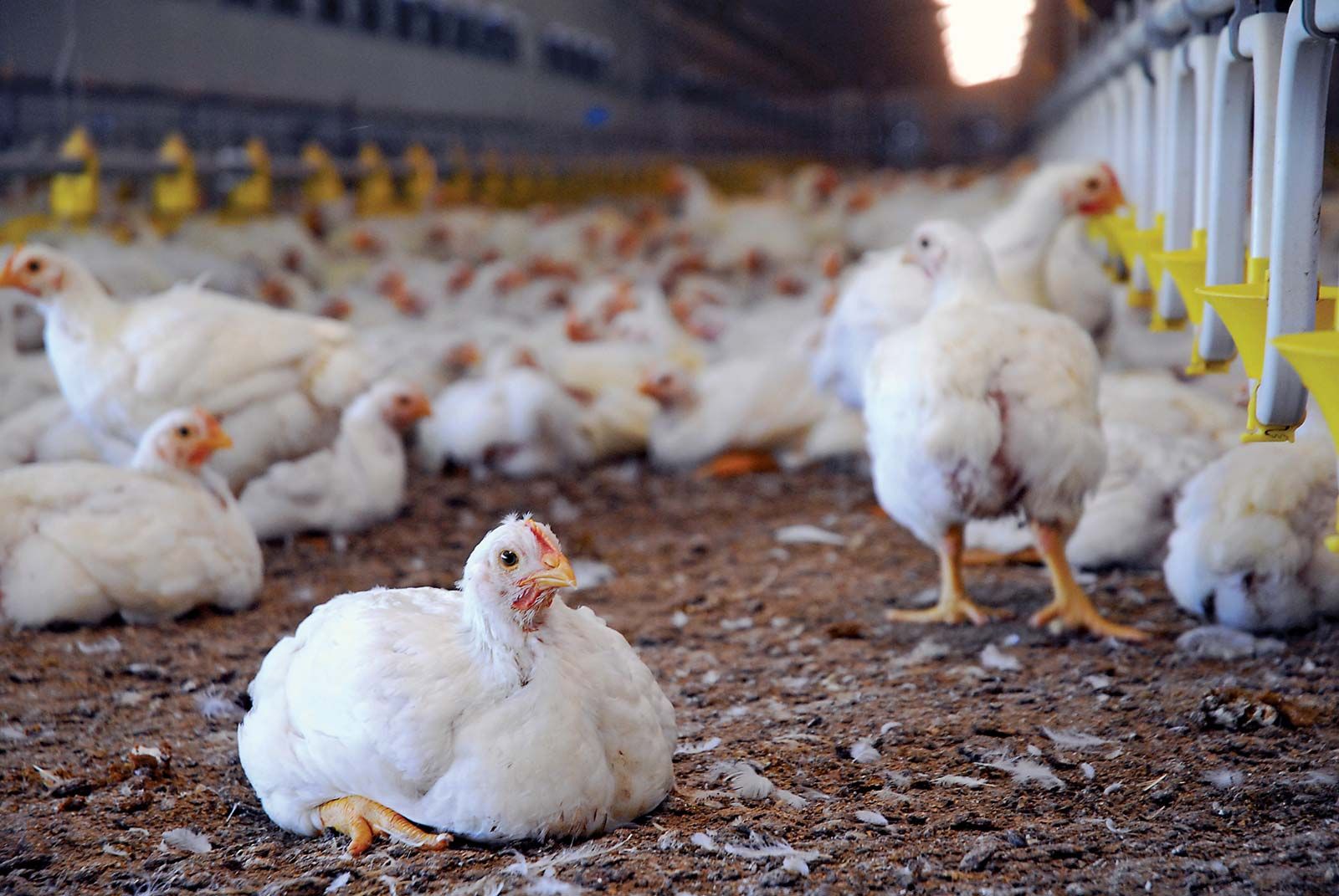
Poultry refers to domesticated birds kept for meat, eggs, feathers, breeding, or other agricultural purposes.
Which birds count as poultry?
Chickens, turkeys, ducks, geese, and some quail and guinea fowl are familiar examples. A wild goose and a domestic goose are not equivalent management cases, even though they are closely related birds.
What poultry share
Birds have feathers, beaks, and hard-shelled eggs, but domestic poultry species differ widely in body size, water needs, behavior, and diet. Chickens scratch and dust-bathe; ducks need arrangements that allow safe water-related behaviors. A single chicken-management plan is not suitable for every type of poultry.
Egg and meat production
Some poultry lines have been selectively bred for laying performance, while others emphasize meat production or dual-purpose use. Genetics, age, daylight, nutrition, and welfare affect production. A bird’s biological capacity to lay eggs does not mean it should be pushed to produce without attention to health and proper housing.
Welfare and public health
Housing should account for shelter, ventilation, clean water, predators, species-appropriate space, and biosecurity. Handling birds and their eggs requires hygiene because healthy-looking poultry can still carry organisms that cause illness in people. Local rules about backyard birds and disease reporting vary by jurisdiction.
Why definitions matter on farms
A poultry flock can contain birds with different social arrangements and housing needs. Ducks need clean drinking water and opportunities for natural water-related behavior; chickens need space for scratching, perching, and dust bathing. Turkeys are much larger than most chickens and need different handling precautions. Biosecurity plans must also consider contact between domestic birds and wild waterfowl. This is why an introductory poultry guide should define the birds first, then refer to species-specific husbandry rather than presenting one universal set of enclosure dimensions.
What a useful field note records
When observing birds or insects, write down location, season, appearance, food source, and behavior. Those details often separate similar-looking species and life stages. If an animal is being managed in captivity or on a farm, welfare and hygiene requirements need their own expert guidance; wild behavior is not a ready-made care plan.
From life history to responsible observation
An animal may behave differently as an egg, larva, juvenile, or adult, and seasonal changes may affect how easy it is to see. A species described as beneficial in one setting can be a pest or prey item in another. Use photographs and field notes without disturbing nests, colonies, or habitat. Where keeping or feeding animals is involved, follow the guidance appropriate to that exact species and local rules, not a general wildlife description.
Frequently asked question
Are all birds poultry?
No. Poultry refers to birds domesticated or managed for agricultural purposes, not all wild bird species.
