Dog Litter Boxes and Puppy Pads: How to Decide
Compare dog litter boxes with puppy pads, artificial grass and potty trays for indoor toileting and cleanup.
Dog Litter Boxes and Puppy Pads: How to Decide
A dog litter box is an indoor potty station with a defined tray or basin, sometimes holding a washable liner, absorbent material, or grass-like surface. It differs from a cat litter box in size, accessibility and what the dog is expected to stand on. For small dogs in apartments, a box can give a consistent location when outdoor trips are not always possible. The most useful design is the one the dog can enter safely and the household can clean thoroughly.
What a dog litter box means
The phrase 'dog litter box' may describe a low-sided plastic basin, a tray with replaceable liners, or a deeper container intended for a special potty medium. It should not automatically mean that ordinary cat litter is appropriate. Dogs may chew or eat substrate, and some materials are difficult to keep clean if urine collects underneath them. Look for products explicitly designed for canine use, with clear instructions about the surface, cleanup and how frequently the contents should be replaced.
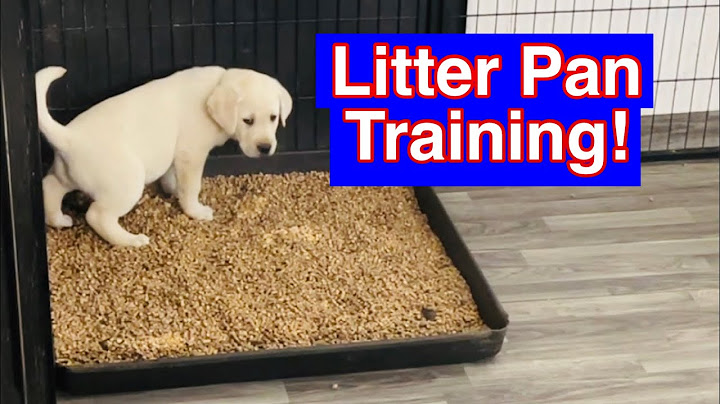
Common liners and surface types
Common indoor toilet surfaces include disposable liners, washable pads, synthetic turf and product-specific absorbent material. Each has its own disposal or laundering rules. Before choosing, consider whether your dog prefers a flat sheet, grass-like fibers or a defined rim. A puppy used to a soft pad may not immediately understand a different textured box. Introduce the new area gradually and reinforce correct use; do not expect a decorative tray to explain the rules by itself.
Accessibility for small dogs
A small dog needs a wide enough base to stand and turn without its hindquarters hanging over an edge. A very high lip can deter puppies, senior dogs or those with orthopedic problems. Non-slip feet and a stable tray can help, particularly on smooth floors. Ensure the surface has no slots that might trap nails and no loose small parts the dog might chew. Choose an easy-clean location away from food and sleep, with enough privacy that household traffic does not interrupt a toilet trip.
Cleanup and hygiene
Remove solid waste at once, empty or change wet liners before odor develops, and wash the basin according to the manufacturer's directions. Examine corners and underlayers where urine can collect unseen. Keep cleaners and spare liners out of chewing reach. If a dog begins avoiding the box, check cleanliness and access before assuming training has failed. With a reusable surface, drying time matters as much as washing. Avoid using loose substrates that the dog tries to eat; consult a veterinarian if ingestion occurs.
Litter box versus puppy pads
A flat pad is generally quick to lay down and discard or launder, while a litter box keeps the toilet area physically defined. The box may make cleaning easier in some homes but may also take more floor space and create rim-related misses. Choose a box when containment and a recognizable station solve a real problem; choose pads when a low entrance and flexible footprint matter more. Neither format is inherently more humane or effective for every dog. The dog's comfort and your sanitation routine should decide.
Introducing an indoor potty station
Place the station in a predictable location and bring the dog there after sleep, meals and play. Reward elimination inside it immediately, and limit unsupervised access while learning. Keep the box in one spot until the dog reliably recognizes it; sudden relocation can cause accidents. If you eventually want outdoor training, plan a gradual transition with the same cue and rewards. Indoor toilets provide convenience, but dogs still need appropriate walking, enrichment, social experiences and health care.
Frequently asked questions
Can dogs use a litter box?
Some dogs can learn to use an appropriately sized indoor toilet station, especially with gradual introduction and consistent rewards.
Can I put cat litter in a dog litter box?
Do not assume so. Use only substrate approved for the specific canine product and prevent chewing or ingestion.
Is a litter box better than puppy pads?
It depends on entry height, size, cleaning needs and what surface your dog accepts. Neither works without consistent training.
Related guides
For the next step, see puppy pads guide, indoor grass pad options, and pad holders and trays.
Bottom line: Choose a manageable toilet surface, keep it clean, and pair it with one consistent location and immediate positive reinforcement.