Dog Pee Pad Holders: How to Choose the Right Tray
Compare dog pee pad holders, trays and frames by size, grip, cleanup and compatibility with common puppy pads.
Dog Pee Pad Holders: How to Choose the Right Tray
A dog pee pad holder is a frame or tray that keeps a training pad in a predictable position. It can reduce slipping and corner chewing, but only if it is sized correctly, easy to clean, and comfortable for the dog to step onto. Some designs clamp a flat pad; others place a grate over a tray. This guide focuses on the holder itself rather than comparing the absorbent pads that go inside it.
What a pee pad holder does
A holder gives a pad a fixed footprint so a puppy can return to the same toilet station. Clamping edges can stop a pad from bunching up, while a raised rim may contain small overshoots. However, a holder does not guarantee leakproof results if the pad is undersized or urine runs underneath. Think of it as a positioning aid, not an alternative to a regular bathroom schedule. For a dog nervous around hard plastic, an exposed flat pad may be less intimidating.
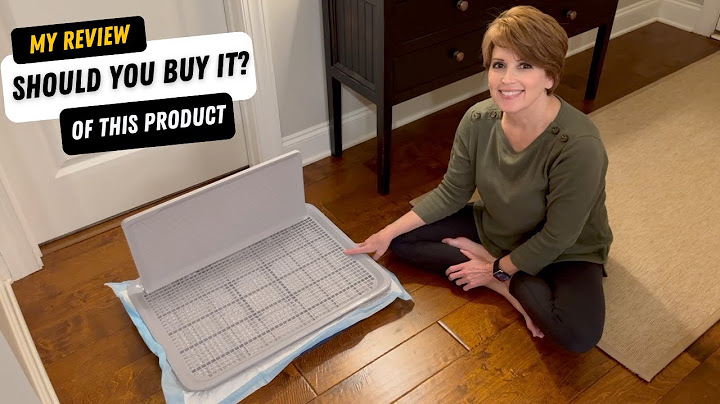
Flat frames versus grated trays
Flat frames press around the edge of a pad and usually offer a low entry height. They suit dogs that prefer to stand directly on absorbent material. Grated models elevate the dog above the wet surface and drain into a lower tray, but paw comfort, grate spacing and cleaning access matter. A grate can be awkward for a tiny puppy or an older dog with stiff joints. Choose the simplest surface the dog can use reliably, not the most elaborate tray mechanism.
Measuring pad and tray fit
Check internal tray dimensions, usable pad area, raised-edge height and any clips that take up space. A pad labeled 24 by 24 inches may not fit a holder of the same nominal measurement because walls and corner grips reduce the opening. Confirm whether the exact product accepts rectangular pads or only proprietary shapes. Measure the dog's normal stance and allow a margin around its paws. If the dog's body hangs beyond the rim, changing pad brands will not fix the mismatch.
Cleaning and slip prevention
Lift the holder after accidents to check for trapped liquid, and wash the tray according to its material directions. Smooth, accessible surfaces make this easier than deep channels or hard-to-reach hinges. Put the station on non-slip flooring; a moving tray can undermine confidence. If the pad is attached with clips, check that they are secure and cannot be swallowed. Dry the underside and floor before reassembly to avoid a persistent damp patch that damages flooring or creates odor.
Chewing and trapped moisture cautions
Puppies that chew plastic may target exposed clamps, foam feet or rough edges. Remove a damaged holder instead of leaving sharp pieces or loose hardware accessible. Do not use a tray with openings that catch paws or nails. For dogs recovering from surgery or with mobility problems, a tall rim can become an obstacle. Observe your dog stepping onto and off the empty holder before assuming the design will be comfortable during an urgent potty trip.
When not to use a tray
Skip a holder when a stable pad on clean flooring already works well, especially if your puppy refuses to step over edges. Consider a shallow tray if sliding pads cause repeated misses or if you need to lift the setup for cleaning. If the dog consistently prefers grass, a grass station may be a clearer choice than forcing it onto a grate. Whatever hardware you select, keep the toilet area in the same place and reward correct use just as you would with a loose pad.
Frequently asked questions
Do pee pad holders prevent leaks?
They may reduce shifting and some edge misses, but they are not automatically leakproof. Fit, pad capacity and tray cleaning still matter.
Are grated pee pad trays good for puppies?
Some puppies accept them, while others dislike the feel or height. Check paw spacing, stability and access for your particular dog.
What size pee pad holder should I buy?
Match the holder’s usable interior dimensions to both the pad and the dog’s stance; nominal outside measurements can be misleading.
Related guides
For the next step, see puppy pads guide, washable pee pads, and indoor grass pad options.
Bottom line: Choose a manageable toilet surface, keep it clean, and pair it with one consistent location and immediate positive reinforcement.