Dog Grass Pads: How They Compare With Puppy Pee Pads
Explore real and artificial dog grass pads, cleanup trade-offs, trays and how to introduce a grass-style potty surface.
Dog Grass Pads: How They Compare With Puppy Pee Pads
A dog grass pad creates an indoor or balcony toilet station with a grass-like surface rather than a flat absorbent sheet. The goal may be to offer a familiar outdoor texture when a puppy cannot reach a yard quickly. But not every grass pad works the same way: real grass, artificial turf, drainage layers, and collection trays have very different cleaning demands. Choose the surface as part of a training plan, not as a magic fix for accidents.
What a dog grass pad is
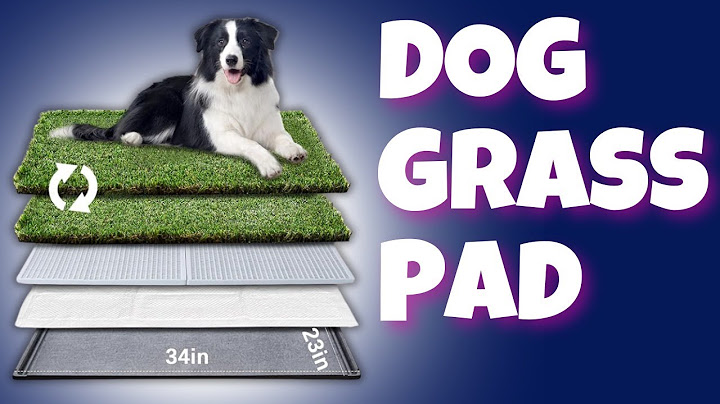
A grass pad usually pairs a grassy top layer with a base that holds or drains urine. Some products use living sod that is replaced periodically; others use synthetic turf rinsed and reused. Most require a tray or catchment system to protect flooring. Dogs accustomed to outdoor lawns may investigate a grass-like surface more readily than a paper-textured pad, but preferences vary. Introduce the station with supervision and rewards rather than assuming that its appearance alone explains where to go.
Real grass versus artificial turf
Real grass offers a natural smell and texture, but it can deteriorate indoors without light and suitable conditions. It is generally replaced when it becomes damaged or soiled. Artificial turf can be reused, but urine may collect in backing, pile fibers or the tray beneath. Claims about 'odor-free' or 'self-cleaning' turf should be treated as marketing until product-specific evidence is available. Consider the full replacement or washing routine, including where the household will rinse components hygienically.
Drainage and tray requirements
The upper layer must allow liquid to pass into a place you can actually empty and sanitize. Check whether the tray has a catch basin, drainage holes or a removable liner; a balcony drain should not be assumed safe or permitted for pet waste. A leak beneath synthetic turf can be invisible until an odor develops. A low entry point helps small puppies or dogs with mobility limitations. Stable edges and a large enough standing area reduce hesitation and accidental stepping off.
Cleaning and replacement
Pick up solid waste immediately. For reusable synthetic turf, follow the cleaning instructions for the fibers, backing and tray separately and let the assembly dry completely as directed. For real sod, follow replacement guidance instead of trying to disinfect it with harsh chemicals. Keep pet-safe cleaning solutions out of reach and avoid leaving urine in a concealed catchment container. A station that is unpleasant to approach often prompts a dog to find a cleaner nearby surface.
Transition to outdoor grass
A grass station may help a dog practice standing on a lawn-like texture, but real outdoor conditions add wind, sounds, other dogs and new smells. Introduce the final outdoor location gradually and reward there. Some puppies learn to use both indoor and outdoor surfaces, while others do better with one location at a time. If outdoor toileting is your goal, arrange safe outdoor experience and socialization separately; a grass mat does not replace walks or supervised time in the world.
Grass pad versus absorbent pad
Flat pads are lighter and often cheaper to store; grass stations provide a different underfoot cue and can be more involved to clean. For a tiny apartment with limited washing space, a small disposable pad may be easier. For an owner wanting a lawn-like transition, a managed grass tray may be worth the extra care. If comparing a grass pad with a litter box, focus on the material your dog will step on and the cleanup you can sustain every day.
Frequently asked questions
Are real grass pads better than artificial turf?
Not universally. Real grass provides a natural surface but needs replacement; artificial turf is reusable but requires careful rinsing and tray maintenance.
Can a grass pad replace outdoor potty trips?
It may serve as an indoor toilet, but dogs still need suitable exercise, enrichment and safe outdoor experiences.
Why does a dog grass pad smell?
Urine may be trapped in turf, backing or the tray. Remove waste promptly, follow cleaning directions and check hidden drainage areas.
Related guides
For the next step, see puppy pads guide, indoor dog litter box, and pad-training steps.
Bottom line: Choose a manageable toilet surface, keep it clean, and pair it with one consistent location and immediate positive reinforcement.