Puppy Pads: A Practical Guide for New Dog Owners
Learn how puppy pads work, when to use them, which types to choose and how to combine pads with positive potty training.
Puppy Pads: A Practical Guide for New Dog Owners
Puppy pads are absorbent indoor toilet surfaces designed to give a young dog a predictable place to urinate or defecate. They can solve a practical problem in high-rise apartments, during bad weather, or when a puppy cannot get outdoors quickly enough. But a pad is a location cue, not a shortcut that teaches itself. The best setup combines a clearly chosen surface with close supervision, frequent potty opportunities, immediate rewards, and a plan for keeping the area sanitary.
What puppy pads are and who benefits
Most puppy pads are flat absorbent sheets with a moisture-resistant underside. Some are disposable, some are washable, and some products use an entirely different surface such as grass or a tray. Pads can be a useful temporary bridge to outdoor training, or a deliberate long-term indoor toilet for a household that needs one. They are not required for every puppy. If you can reliably reach a safe outdoor location, you may prefer to start there rather than teaching two toileting surfaces.
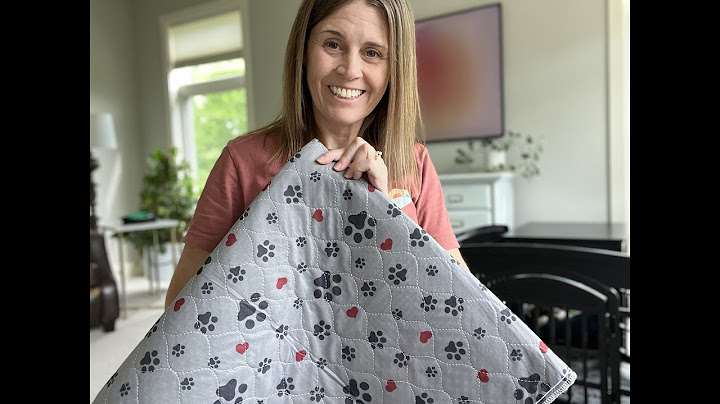
Disposable versus washable and grass alternatives
Disposable pads remove the laundering step but create repeated purchases and trash. Washable designs cost more up front and require prompt washing, spare pads, and careful handling of soiled fabric. Grass-style stations may offer a surface closer to an outdoor lawn, yet their drainage and cleaning needs differ. There is no universally best type. Choose based on the size of the dog, the time you can spend cleaning, how often the surface gets used, and whether outdoor toileting is the final goal.
Choosing absorbency, fit and backing
Check the usable absorbent area rather than judging only the package dimensions; narrow edge borders may leave less room than expected. A puppy that turns before squatting needs space to stand fully on the pad. Look for a non-slip backing on smooth floors, a clear indication of whether the product contains fragrance, and disposal or washing directions. Claims such as 'holds six cups' depend on testing conditions; without an independent method, treat them as product claims rather than guarantees against leaks.
Where to place a puppy pad
Pick one low-traffic location that is easy to reach and easy to clean, away from sleeping and feeding areas. A bathroom corner or a protected section of a puppy pen can work if the puppy has enough room to choose a separate sleeping spot. Keep the pad flat, secure the corners if needed, and avoid placing several pads across the house indefinitely: that can teach the puppy that many indoor surfaces are acceptable. Never leave a puppy unsupervised with materials it repeatedly shreds or swallows.
Teaching the potty spot with positive reinforcement
Introduce the chosen spot after sleep, meals, drinking, and active play. Watch for sniffing, circling, wandering away, or a sudden pause in play, and calmly escort the puppy to the pad. As soon as the puppy finishes on the correct surface, reward with a small treat and cheerful praise while still at the location. If there is a miss, clean it with a pet-appropriate odor remover and adjust supervision or timing; frightening or scolding the puppy does not explain the correct place.
Hygiene and transition options
Remove solid waste promptly and replace or clean a wet pad before the surface becomes unpleasant to use. Wash hands after handling waste, keep cleaning products out of reach, and follow label directions before allowing pets back on a cleaned floor. If you plan to switch outdoors, gradually move the potty spot closer to the door, then outside when practical, while continuing the same cue and reward. Keep a consistent location during each stage. If your dog has sudden accidents after previously being reliable, check for a health problem rather than buying more pads.
Frequently asked questions
Are puppy pads good for potty training?
They can be useful when indoor toileting is a practical necessity. Success still depends on supervision, a predictable routine and immediate rewards; they are not essential for every puppy.
Can puppy pads confuse a dog?
Some puppies generalize from pads to rugs or other soft surfaces. Keeping one clear toilet location and planning a gradual outdoor transition can reduce that risk.
How often should a puppy pad be changed?
Remove feces right away and change or launder urine-soaked pads promptly. The interval depends on pad size, use and odor; do not rely on an advertised capacity alone.
Should puppy pads be next to the dog bed?
No. Place the toilet area away from food, water and the sleeping spot whenever possible, with enough access that the puppy can find it easily.
Related guides
For the next step, see washable pee pads, disposable pee pads, pad holders and trays, pad-training steps, indoor grass pad options, and puppy potty schedule.
Bottom line: Choose a manageable toilet surface, keep it clean, and pair it with one consistent location and immediate positive reinforcement.