Do Puppy Pads With Pheromones Help Potty Training?
Understand puppy pads with attractant scents or pheromone claims, evidence limits and training steps that matter more.
Do Puppy Pads With Pheromones Help Potty Training?
Puppy pads with pheromones are marketed as having scents or attractants that encourage dogs to use a designated toilet spot. That promise can be appealing when training feels messy. Yet products differ in what they contain, and the label 'pheromone' does not prove that a particular pad will make a puppy consistently urinate on it. Treat any attractant as a possible extra cue, never as a substitute for a humane training routine.
What pheromone or attractant pad labels claim
Some packaging refers to pheromones; other products use the broader language of 'attractant scent' without identifying a specific chemical. These are not interchangeable descriptions. Before repeating a product claim, read the current label and check whether the manufacturer names the ingredient, explains its intended function, and provides testing of the finished pad. A scent that interests one dog may have no noticeable effect on another. A heavily perfumed pad can even be unappealing to a scent-sensitive animal.
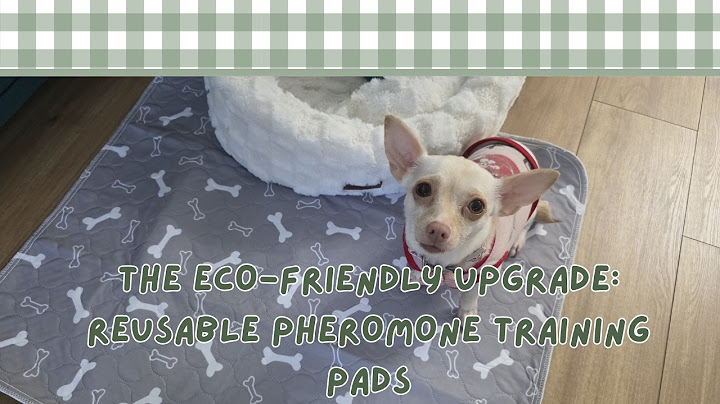
The evidence gap
There is no basis for promising a fixed potty-training success rate from a general 'pheromone pad' category. Owners often see progress after introducing a scented pad at the same time as a better schedule and more supervision; that does not show which change caused the improvement. Testimonials and seller reviews are experiences, not a controlled demonstration. If a manufacturer cites research, check whether it actually tested the same finished product in puppies under normal home conditions rather than an unrelated scent ingredient.
Consistency and placement
Whether or not the pad has an attractant, keep it in one recognizable spot away from the dog bed and food. Take the puppy there after waking, meals, drinks, naps and play. Wait quietly, then deliver praise and a small reward immediately after correct elimination. Maintain the same verbal cue, if you use one, every time. Adding more scented pads around the apartment may scatter the toilet signal rather than strengthen it; give the puppy a clear destination first.
Signs a pad is not working
If the puppy avoids the pad, check practical causes before spending more. Is it placed beside a loud appliance, slipping underfoot, already soaked, or too small? Does the puppy prefer an outdoor surface or dislike a fragrance? Track when accidents occur and adjust the schedule. A pad that was used once after an introduction is not necessarily working as advertised. Improvement means the puppy repeatedly chooses the spot when given a realistic opportunity to reach it.
Scent sensitivity and chewing safety
Do not let a young dog chew or swallow absorbent material, adhesive tabs, or pieces of the backing. If a puppy appears irritated by a strongly scented product, switch to a plain option and speak with a veterinarian about persistent symptoms. Avoid putting homemade essential-oil blends on pads or floors; some concentrated fragrances are unsafe around pets. Follow the manufacturer's safety directions and contact a veterinarian promptly if a puppy swallows pad material or develops concerning signs.
Alternatives and decision checklist
A plain unscented pad with consistent reinforcement is a sensible starting point. If the puppy responds better to a particular texture, a washable pad or an indoor grass station may fit more naturally. An attractant spray introduces its own ingredient and exposure questions, so avoid layering multiple scented products without a reason. Judge any product on repeatable results over time, ease of cleanup, and whether it supports the long-term potty goal—not on a claim of instant training.
Frequently asked questions
Do pheromone puppy pads actually work?
Some owners find them useful, but the finished-product evidence and individual response vary. No pad scent replaces training, timing and reward.
Are scented puppy pads safe?
Safety depends on the actual ingredients and a dog’s behavior. Follow label warnings, supervise chewing-prone puppies and avoid adding concentrated homemade fragrances.
What if my puppy ignores the pad?
Check size, cleanliness, location, texture and the timing of potty breaks before assuming another scented brand is necessary.
Related guides
For the next step, see puppy pads guide, pad-training steps, and potty training sprays.
Bottom line: Buy a scent-based aid only as an optional addition to consistent reward-based training, not as a guaranteed shortcut.