Small Dog Steps: Choosing the Right Tread and Height
Find small dog steps that suit short legs, narrow spaces and indoor bed heights, with grip and stability checks.
Small Dog Steps: Choosing the Right Tread and Height
Small dog steps can provide a more manageable route onto a sofa or bed for a dog that would otherwise jump. Their sizing is not simply the opposite of large-dog stairs. Short legs, small paws, a long torso or a cautious temperament may change how a dog navigates individual risers, while a compact staircase may be light enough to slide across smooth flooring.
Choose by actual paw placement, step geometry, furniture height and stability rather than by the marketing label "small breed." If a dog has back pain, unusual weakness or a known spinal condition, ask a veterinarian about activity restrictions before adding any climbing equipment.
What makes a stair layout suitable for a small dog?
A suitable unit lets the dog approach naturally, place its paws fully on each tread, and reach the furniture without an awkward last jump. Small dogs vary greatly in body shape: a compact terrier, a long-backed dachshund and a lightweight toy breed may have different balance and stepping needs even when their weights are similar. Measure the dog, rather than selecting solely by breed name or age group.
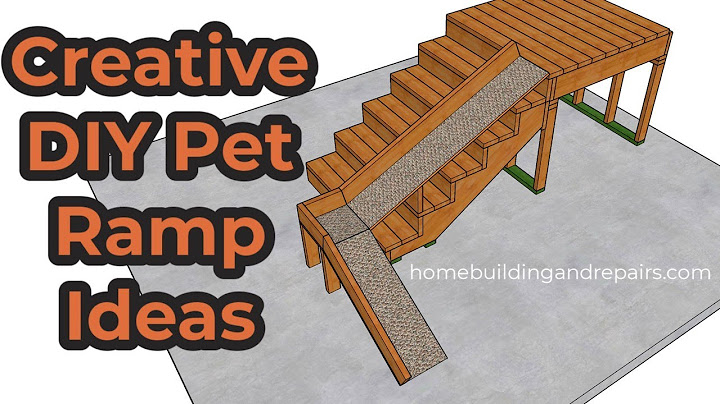
Check usable tread depth as well as width. A stair that looks generous in a photo might have narrow horizontal platforms with much of the product's footprint consumed by risers. A timid dog may need a particularly predictable sequence of visible treads. Tall sidewalls can guide some pets but should not narrow the walking surface enough to make turning difficult.
Observe the dog's natural movement first
Watch the dog move on non-slip level flooring. Does it walk steadily, pause when approaching thresholds, take short steps or hesitate when backing up? Does it dislike slick surfaces, or avoid narrow paths between furniture? This observation is not a medical diagnosis, but it provides a better starting point for selecting tread spacing than a generic breed chart.
Notice the dog's current ability rather than what it could do as a puppy. A senior small dog may have arthritis or reduced vision; a young dog may be physically capable but unfamiliar with stairs. Do not force the dog to demonstrate a high jump to measure ability. New difficulty walking, dragging toes, wobbling or sensitivity when lifted merits veterinary evaluation.
Match individual rise to confidence and body shape
Rise is the vertical distance from one tread to the next. A product with more steps may offer a gentler progression at a given total height, but only if individual treads remain large enough and the resulting footprint fits. There is no medically validated universal inch measurement suitable for every small dog. A long-backed dog may require special veterinary guidance regarding jumping and spine strain rather than a staircase chosen from a height formula.
Compare total stair height to the top surface of the actual furniture. A design that reaches only the couch frame but not the upper cushion creates an unnecessary final step. For tall beds, see dog stairs for high beds. The goal is a complete route rather than steps that merely bring the dog closer to an unavoidable leap.
Make grip and side stability nonnegotiable
Small dogs may generate less total force, but a lightweight stair unit can also slide readily across tile or hardwood. Check a broad base, stable feet and secure tread coverings. Loose fabric, plastic edges and slick covers can make a wary dog lose trust in the staircase. Before the dog tries it, gently test whether the unit shifts at its planned location.
Use a straight approach. A staircase squeezed diagonally between a bed and nightstand may force the dog to turn on a small top platform. Keep toys, cords and heavy bedding out of the path. Inspect after cleaning or moving the unit; a cover that has rotated or a base foot that is no longer flat can change the experience.
Foam, framed and folding options for small dogs
Foam steps are often easy to move and can work for some small dogs, but the top edge may compress under load or the entire unit may shift. A framed product may hold a consistent tread shape, though some frames use slick covering or hard edges. Folding stairs can save space but add joints that must lock correctly each time. No material is inherently the safest for every small dog.
Look at the exact finished unit, not just its construction category. For material checks, see foam dog steps. For general furniture placement and measuring, see pet steps for bed. The small-dog question is whether the animal can navigate every stage confidently and the equipment remains where it belongs.
Train with very small voluntary steps
Place the stairs on a level surface and reward the dog for walking near them. Offer a small treat near the first tread and let the dog choose whether to put a paw on it. Some dogs need several sessions to explore the texture and shape. Keep sessions short enough that the dog does not become frustrated, and avoid physical pushing or leash pulling to make it climb.
When the dog is ready, practice one additional tread at a time. Work on the descent independently because stepping downward may feel more uncertain. If the dog becomes frightened or starts leaping off the side, stop and reconsider the design. A sturdy-looking staircase is not the right product if the dog repeatedly avoids it after patient training.
For households with multiple small dogs, train each individually and prevent crowding. One dog's confidence does not establish another's readiness. Keep the staircase in a consistent position so that the route does not unexpectedly change during the night.
Long-backed breeds, seniors and veterinary concerns
A dachshund or another dog at risk of intervertebral disc disease is not automatically safe on furniture stairs. Cornell discusses modifying activities to reduce jumping for some dogs, but active disc disease or postoperative recovery may require restricted activity. Warning signs such as back pain, trembling, knuckling, loss of coordination or reluctance to move need veterinary attention, not a more aggressive training session.
The right plan could include a longer canine ramp, a lower resting area, a gate that prevents climbing, or a specific veterinarian-approved mobility routine. Stairs cannot guarantee prevention of spinal injuries or eliminate the need for treatment. Ask the clinician what movements are permitted for the dog's actual diagnosis and stage of recovery.
Small-dog fit checklist
| Check | What to verify | Observation |
| Tread size | Usable depth and width | Dog can position paws without hanging over an edge |
| Riser layout | Each rise and total height | Dog climbs without scrambling or stretching excessively |
| Furniture fit | Top tread to cushion or mattress | No uncomfortable final leap |
| Surface | Cover grip and seam security | No slipping or fabric bunching |
| Base | Contact on real floor | Unit stays in place when approached |
| Acceptance | Gentle supervised ascent and descent | Dog uses route voluntarily |
Record what the dog actually does rather than judging success only by whether it reached the bed once. A dog might climb successfully but refuse to come down, or use the stairs in daylight but avoid them at night. Those observations can suggest changes to lighting, placement, training or product selection.
If your dog rejects the steps
First, check for signs of discomfort. If the dog suddenly hesitates on familiar steps, contact a veterinarian. If the concern appears behavioral or environmental, look for slippery treads, collapsing edges, a noisy hollow frame, shadowed steps, tight turns or an upper platform that moves with the cushion. The dog may also simply need a slower introduction.
Do not place treats so high that the dog has to lunge or jump to retrieve them. Work below the level where the dog loses confidence and progress gradually. If repeated calm practice produces no improvement, another route may be better. Product return flexibility can be valuable when an individual dog's acceptance is uncertain.
Frequently asked questions
How many steps does a small dog need for a bed?
It depends on total mattress height, individual rise, tread depth and the dog's movement. More steps may lower the arithmetic rise but increase the unit's footprint; there is no universal count.
Are foam steps good for toy breeds?
They can be suitable if the product remains stable and supports the dog without problematic compression. Check cover grip and top landing rather than assuming soft material is automatically safer.
Should a dachshund use stairs or a ramp?
Ask the dog's veterinarian, especially if there is IVDD risk, pain or recovery restriction. Neither option is appropriate in every clinical situation, and a dog with active symptoms may need to avoid climbing.
Why is my small dog scared of steps?
The dog may dislike the surface, noise, height, narrow landing or the experience of going down. Patient training can help, but pain or new weakness must be ruled out when indicated.
Can small dog stairs stay beside the bed overnight?
Only if the dog is comfortable using them safely, the unit is stable, and the household can supervise as needed. Restrict access when the dog might jump or the equipment is not suitable for unsupervised use.