Sulcata Tortoise Care: Space, Grazing and Lifelong Needs
Sulcata Tortoise Care: Space, Grazing and Lifelong Needs. Discover practical facts, risks, and care considerations before you decide what to do next.
Sulcata Tortoise Care: Space, Grazing and Lifelong Needs
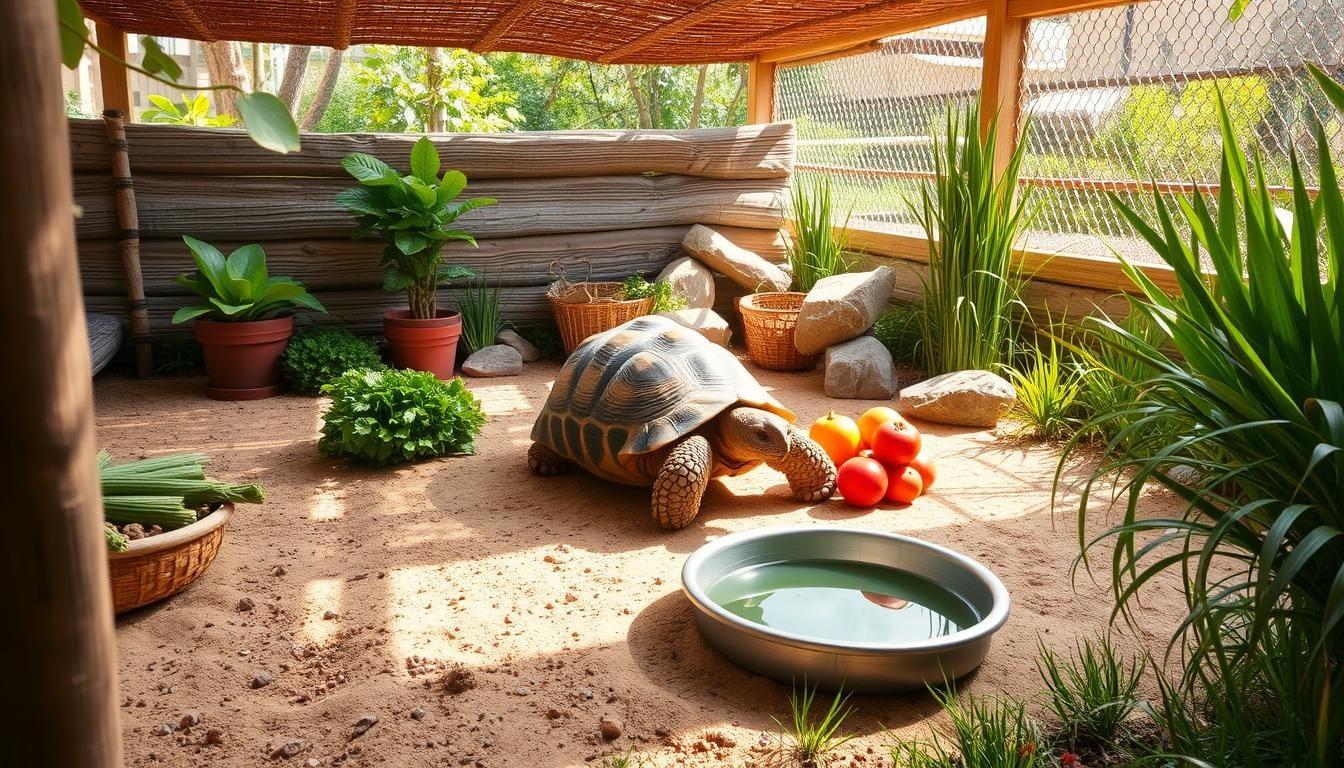
Sulcata tortoises are exceptionally large, long-lived grazing tortoises, not small pets that remain the size of a hatchling. An adult can require a sizable secure outdoor environment, a substantial food budget, and long-term weather planning. Rehoming a full-grown animal can be difficult.
What the context tells you
Their diet is centered on fibrous grasses and appropriate browse, not a steady menu of fruit or high-protein foods. Young animals need careful humidity and hydration management in suitable environments; dry conditions do not mean a hatchling should be kept chronically dehydrated. UVB and heat remain important.
Practical steps and everyday care
Plan the adult enclosure before purchase, including dig-proof barriers, sun and shade, shelter from unsuitable cold or wet weather, and safe access to water. Ask a reptile veterinarian about growth, shell development, and parasite screening.
The enclosure is part of the animal’s health
Reptile and amphibian care is species-specific. A digital temperature reading at one point is not enough to describe a thermal gradient, and bright visible light is not necessarily suitable UVB. Enclosure size, hiding places, humidity, appropriate substrate, ventilation, and food availability must work together. Before changing supplements or assuming a seasonal slowdown, verify the animal's actual environment and arrange access to a reptile or amphibian veterinarian.
A real-world example
A hatchling sulcata seems easy to house in a small enclosure, but adulthood can require extensive safe space and sophisticated climate management. Before purchase, draw the mature animal's enclosure plan and calculate winter heating, grazing, and veterinary options. If the household cannot provide those needs, choosing a different pet is the more humane decision.
Warning signs and welfare limitations
Avoid impulse purchases based on hatchling size. Soft shell, abnormal growth, difficulty walking, or persistent refusal to feed calls for expert assessment. Laws and climate restrictions should be checked in the owner's location.
A quick decision checklist
Confirm the exact species and measured heat, lighting, and humidity conditions.
Focus on adult size, long lifespan, grazing needs and rehoming risk.
Track weight, appetite, shedding, and measured habitat conditions rather than guessing.
Seek qualified veterinary, extension, or species-specialist guidance before using medication or making major changes.
Frequently asked questions
Can I follow a generic reptile care sheet?
Use general information as an introduction only. Species, age, reproductive state, and climate can change the proper setup and diet. If the animal is weak or not eating, a veterinarian should assess it rather than relying on a one-size-fits-all chart.
What is the most important setup check?
Verify temperatures at basking and cool locations, light and UVB suitability where needed, humidity, enclosure space, food, and hiding areas. A single room-temperature reading is not enough.
Related reading
how long do bearded dragons live
Reliable resources for further checking
Editorial status: draft. Check current professional guidance and local rules before publication; urgent symptoms require appropriate veterinary help.
