Why Do Lizards Do Push-Ups? Territorial Displays Explained
Why Do Lizards Do Push-Ups Territorial Displays Explained. Discover practical facts, risks, and care considerations before you decide what to do next.
Why Do Lizards Do Push-Ups? Territorial Displays Explained
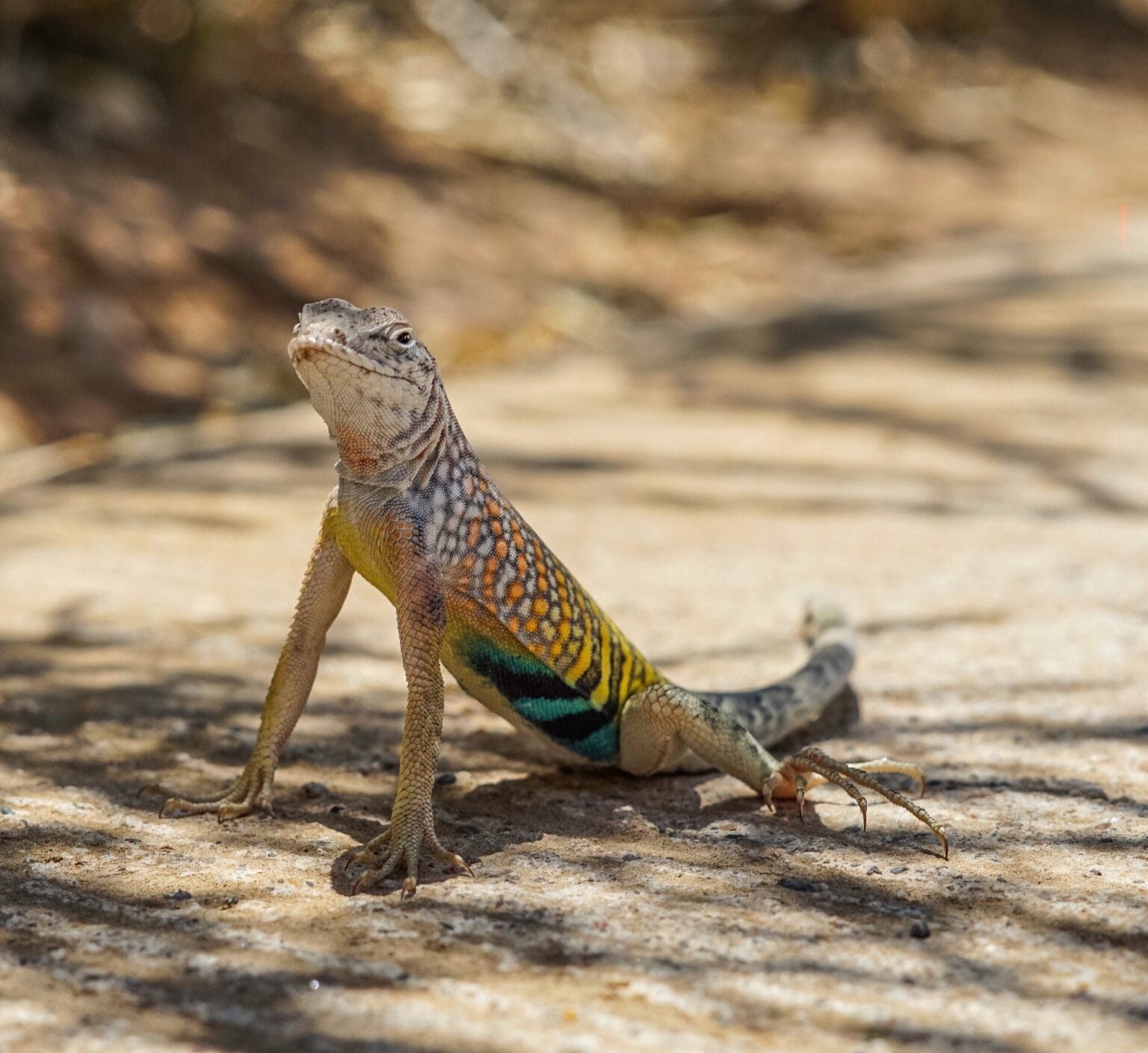
Push-up-like movements in lizards often function as visual signals. Depending on the species and situation, they may advertise a territory, communicate dominance, court a mate, or respond to another lizard. The behavior is not a universal exercise routine or a single emotion.
What the context tells you
Some species combine push-ups with head bobbing, dewlap displays, or changes in posture and color. Display intensity can vary with sex, age, season, and distance to rivals. A captive lizard that displays frequently at its reflection may be experiencing a persistent social stimulus.
Practical steps and everyday care
Identify the species before interpreting the motion. Watch for nearby lizards, mirrors, nesting activity, and changes in feeding or hiding. Improve enclosure sight breaks if reflective surfaces repeatedly provoke territorial responses.
The enclosure is part of the animal’s health
Reptile and amphibian care is species-specific. A digital temperature reading at one point is not enough to describe a thermal gradient, and bright visible light is not necessarily suitable UVB. Enclosure size, hiding places, humidity, appropriate substrate, ventilation, and food availability must work together. Before changing supplements or assuming a seasonal slowdown, verify the animal's actual environment and arrange access to a reptile or amphibian veterinarian.
A real-world example
A lizard performing push-up displays at its reflection may be responding as though another animal is present. Reducing the reflective stimulus can be more useful than interrupting each movement. In nature, the same behavior may be part of territorial signaling or courtship, which is why species and setting must come first.
Warning signs and welfare limitations
Normal signaling usually occurs in an otherwise responsive animal. If movement becomes uncoordinated, repetitive alongside weakness, or accompanies abnormal breathing, seek veterinary advice rather than assuming every motion is behavioral.
A quick decision checklist
Confirm the exact species and measured heat, lighting, and humidity conditions.
Explain visual signaling, courtship and differences across species.
Track weight, appetite, shedding, and measured habitat conditions rather than guessing.
Seek qualified veterinary, extension, or species-specialist guidance before using medication or making major changes.
Frequently asked questions
Can I follow a generic reptile care sheet?
Use general information as an introduction only. Species, age, reproductive state, and climate can change the proper setup and diet. If the animal is weak or not eating, a veterinarian should assess it rather than relying on a one-size-fits-all chart.
What is the most important setup check?
Verify temperatures at basking and cool locations, light and UVB suitability where needed, humidity, enclosure space, food, and hiding areas. A single room-temperature reading is not enough.
Related reading
how long do bearded dragons live
Reliable resources for further checking
Editorial status: draft. Check current professional guidance and local rules before publication; urgent symptoms require appropriate veterinary help.
