Sage Grouse: Habitat, Courtship and Conservation
Sage Grouse: Habitat, Courtship and Conservation Explore evidence-based facts, context and common misconceptions.
Sage Grouse: Habitat, Courtship and Conservation
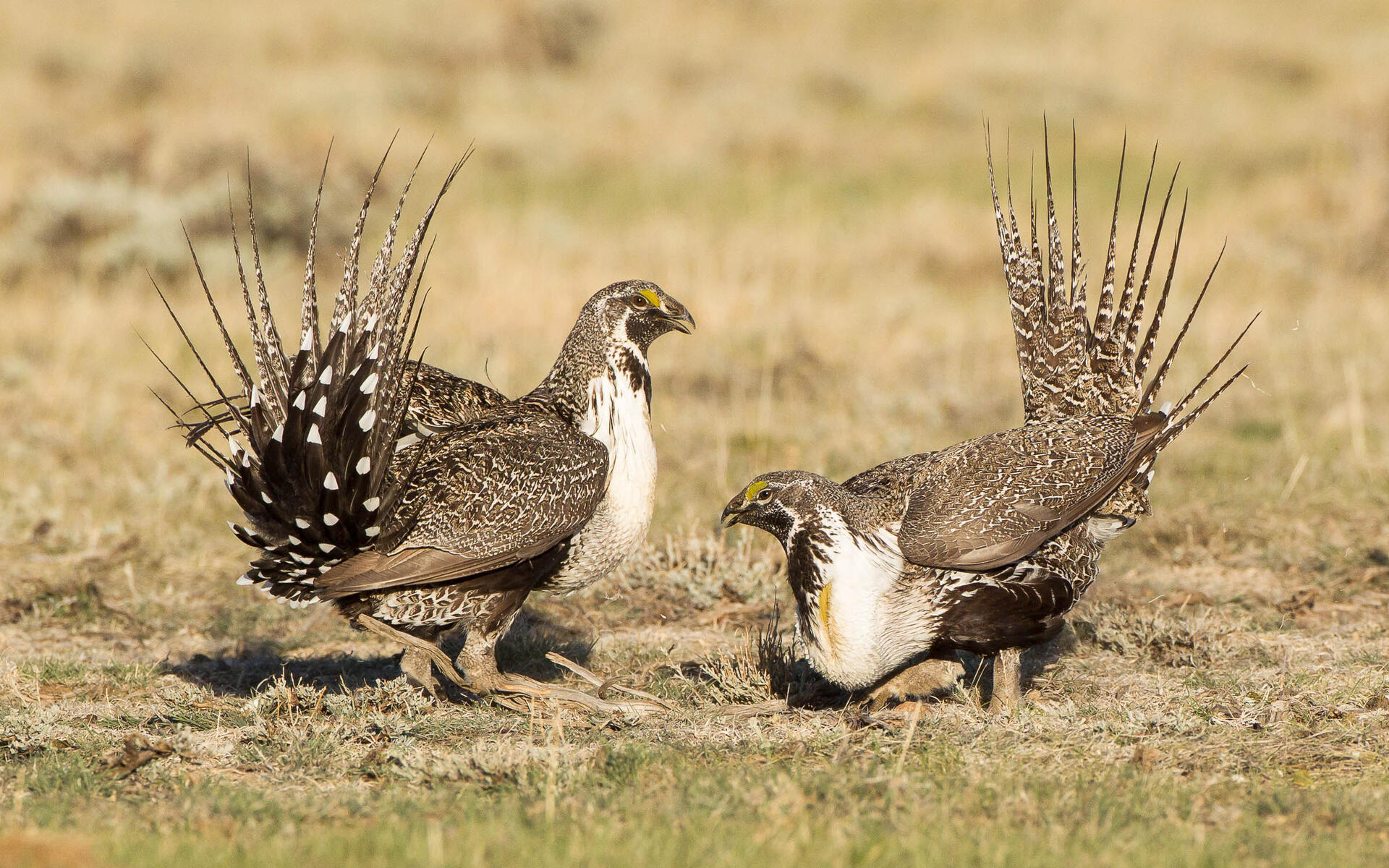
Greater Sage-Grouse are large grouse of western North American sagebrush ecosystems. Males are famous for their spring courtship displays on communal grounds called leks, where inflated chest air sacs and elaborate movements attract females.
The essentials
The species depends on extensive sagebrush landscapes throughout much of its life cycle. Sagebrush provides cover and important winter forage; insects and green plants contribute to the diets of growing chicks and adults at other times.
What makes this subject distinctive
A lek is a mating-display site, not the same thing as a nesting location. Hens usually nest elsewhere in surrounding habitat, so protecting a small display area alone cannot meet every conservation need.
Food sources, safe nesting places, and movement between habitats influence where birds appear. A forest bird may visit a campsite, and a grassland bird may cross a suburb, but a brief encounter cannot establish its preferred year-round habitat. Regional field guides and dated sightings give important context.
Common misconceptions and limits
Habitat fragmentation, wildfire changes, invasive grasses, and development can alter the large connected landscapes these birds need. Conservation status and population trends must be checked for a named region and assessment year rather than assumed from a single local count.
Wild birds should be described as part of an ecosystem, not as pets whose behavior can be controlled. Habitat, season, and the age or sex of the animal can change the observations available to a field researcher. Good sources include regional bird atlases and field observations with dates.
How to check a field identification
Write down the location, date, approximate size, bill, posture, and main calls. A photograph can supplement these notes; it should not replace them when similar species share a color pattern. Look for multiple independent clues before settling on a name.
Key points at a glance
Greater Sage-Grouse are large grouse of western North American sagebrush ecosystems.
The species depends on extensive sagebrush landscapes throughout much of its life cycle.
A lek is a mating-display site, not the same thing as a nesting location.
Frequently asked questions
What is a useful first identification clue?
Greater Sage-Grouse are large grouse of western North American sagebrush ecosystems.
Does appearance or behavior vary?
The species depends on extensive sagebrush landscapes throughout much of its life cycle.
What should be checked before making a broad claim?
Habitat fragmentation, wildfire changes, invasive grasses, and development can alter the large connected landscapes these birds need.
Explore related guides
A Field Guide to Wild Birds: Identification, Habitats, Behavior and Conservation
