Red-Winged Blackbird: Identification, Calls and Habitat
Red-Winged Blackbird: Identification, Calls and Habitat Explore evidence-based facts, context and common misconceptions.
Red-Winged Blackbird: Identification, Calls and Habitat
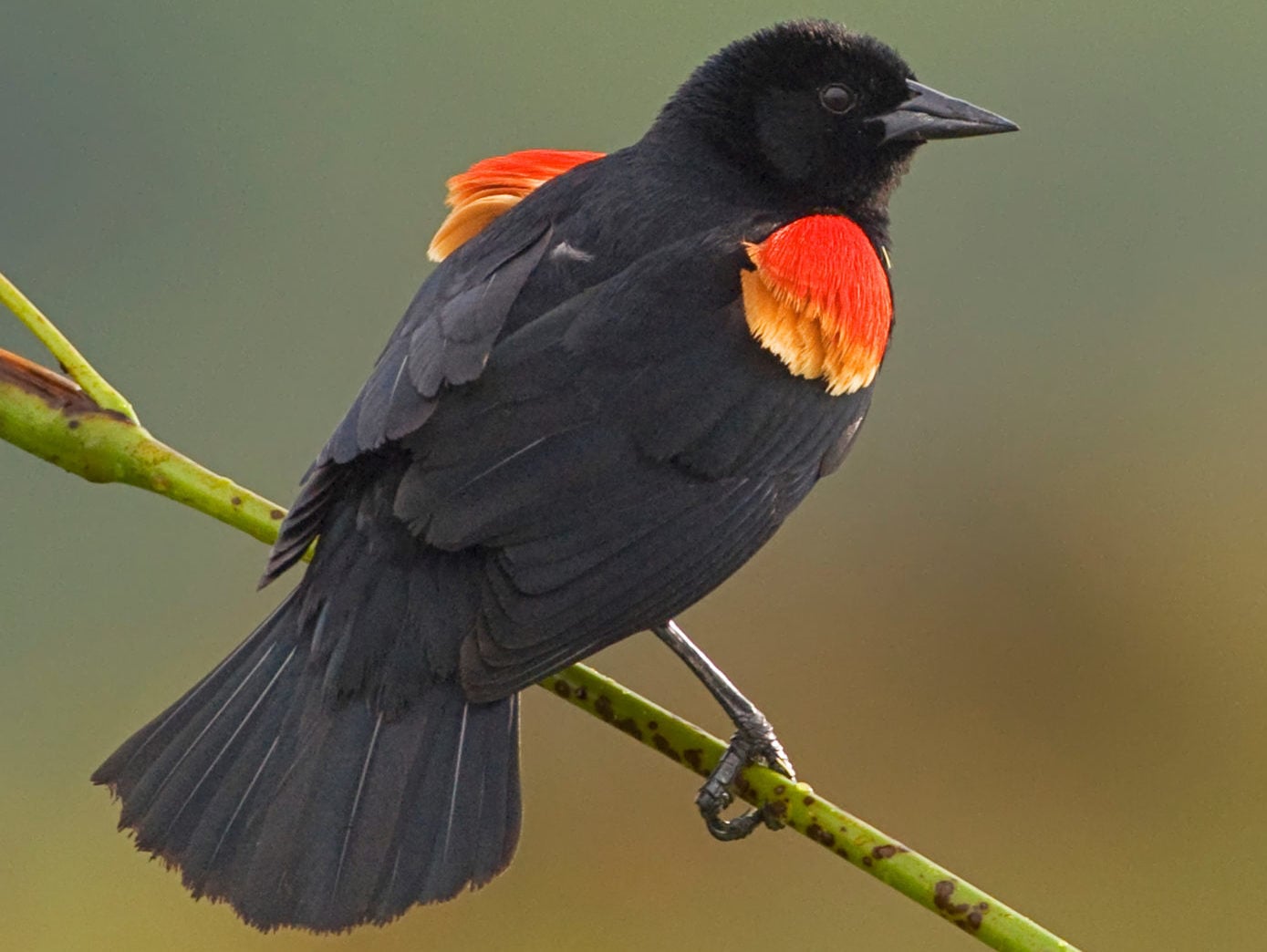
The Red-winged Blackbird is a familiar North American marsh and grassland bird. Adult males are glossy black with red shoulder patches bordered by yellow, while females are heavily streaked brown and can look almost like large sparrows.
The essentials
Males often sing from exposed cattails or fence posts and defend territories during breeding season. Their conspicuous red patches can function as visual signals during disputes and courtship, while females may remain less obvious in surrounding vegetation.
What makes this subject distinctive
The sexes are so different in appearance that identification must account for both. Females should not be identified by searching for red shoulder patches alone; pointed bills, posture, habitat, and flock behavior matter.
Food sources, safe nesting places, and movement between habitats influence where birds appear. A forest bird may visit a campsite, and a grassland bird may cross a suburb, but a brief encounter cannot establish its preferred year-round habitat. Regional field guides and dated sightings give important context.
Common misconceptions and limits
Red-winged Blackbirds can form large flocks outside the breeding season and may forage in agricultural areas. Their seasonal numbers in one location do not necessarily reflect the size of the entire population.
Wild birds should be described as part of an ecosystem, not as pets whose behavior can be controlled. Habitat, season, and the age or sex of the animal can change the observations available to a field researcher. Good sources include regional bird atlases and field observations with dates.
Why the habitat matters
Food sources, safe nesting places, and movement between habitats influence where birds appear. A forest bird may visit a campsite, and a grassland bird may cross a suburb, but a brief encounter cannot establish its preferred year-round habitat. Regional field guides and dated sightings give important context.
Key points at a glance
The Red-winged Blackbird is a familiar North American marsh and grassland bird.
Males often sing from exposed cattails or fence posts and defend territories during breeding season.
The sexes are so different in appearance that identification must account for both.
Frequently asked questions
What is a useful first identification clue?
The Red-winged Blackbird is a familiar North American marsh and grassland bird.
Does appearance or behavior vary?
Males often sing from exposed cattails or fence posts and defend territories during breeding season.
What should be checked before making a broad claim?
Red-winged Blackbirds can form large flocks outside the breeding season and may forage in agricultural areas.
Explore related guides
A Field Guide to Wild Birds: Identification, Habitats, Behavior and Conservation
