Sandhill Cranes: Identification, Migration and Mating
Sandhill Cranes: Identification, Migration and Mating Explore evidence-based facts, context and common misconceptions.
Sandhill Cranes: Identification, Migration and Mating
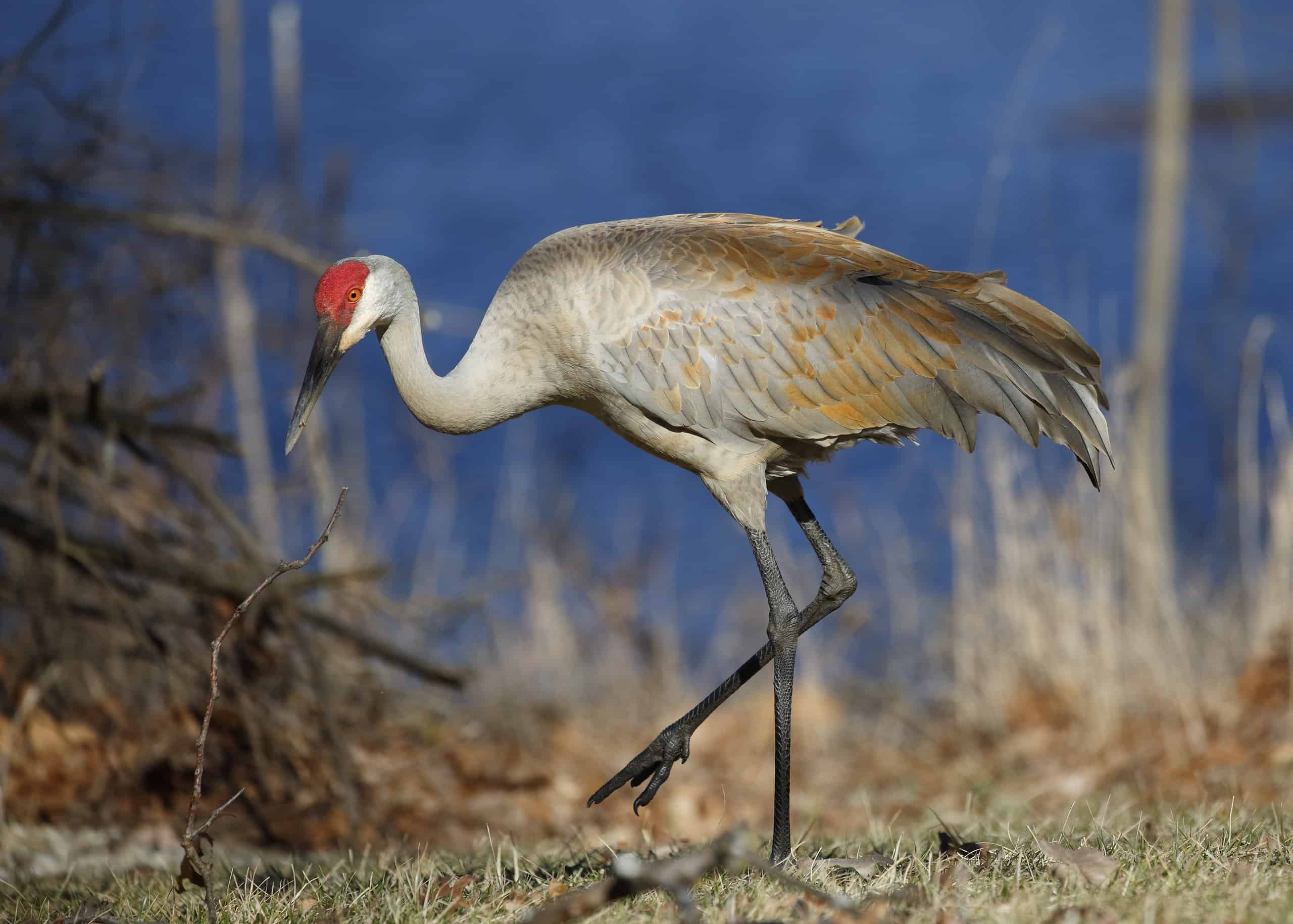
The Sandhill Crane is a long-legged, long-necked gray bird with a distinctive rolling call and a reddish area on the crown in adults. It uses open wetlands and grasslands across parts of North America.
The essentials
Many Sandhill Cranes migrate in large flocks and congregate at important stopover areas, where suitable roosting water and nearby feeding habitat are both essential. Pair bonds and elaborate dancing displays are well-known aspects of their behavior.
What makes this subject distinctive
A crane is not a heron: cranes generally fly with their necks extended, whereas herons retract theirs. Size and gray coloration alone cannot separate all large wetland birds.
Food sources, safe nesting places, and movement between habitats influence where birds appear. A forest bird may visit a campsite, and a grassland bird may cross a suburb, but a brief encounter cannot establish its preferred year-round habitat. Regional field guides and dated sightings give important context.
Common misconceptions and limits
Some crane populations migrate long distances, while others are more resident. Management questions should be tied to the specific population and landscape rather than to the species as a whole.
Wild birds should be described as part of an ecosystem, not as pets whose behavior can be controlled. Habitat, season, and the age or sex of the animal can change the observations available to a field researcher. Good sources include regional bird atlases and field observations with dates.
Why the habitat matters
Food sources, safe nesting places, and movement between habitats influence where birds appear. A forest bird may visit a campsite, and a grassland bird may cross a suburb, but a brief encounter cannot establish its preferred year-round habitat. Regional field guides and dated sightings give important context.
Key points at a glance
The Sandhill Crane is a long-legged, long-necked gray bird with a distinctive rolling call and a reddish area on the crown in adults.
Many Sandhill Cranes migrate in large flocks and congregate at important stopover areas, where suitable roosting water and nearby feeding habitat are both essential.
A crane is not a heron: cranes generally fly with their necks extended, whereas herons retract theirs.
Frequently asked questions
What is a useful first identification clue?
The Sandhill Crane is a long-legged, long-necked gray bird with a distinctive rolling call and a reddish area on the crown in adults.
Does appearance or behavior vary?
Many Sandhill Cranes migrate in large flocks and congregate at important stopover areas, where suitable roosting water and nearby feeding habitat are both essential.
What should be checked before making a broad claim?
Some crane populations migrate long distances, while others are more resident.
Explore related guides
A Field Guide to Wild Birds: Identification, Habitats, Behavior and Conservation
How Fast Can Ostriches Run? Speed and Anatomy
Scarlet Tanager: Male and Female Appearance, Habitat and Migration
