What Do Owls Eat? Prey, Hunting and Adaptations
What Do Owls Eat? Prey, Hunting and Adaptations Explore evidence-based facts, context and common misconceptions.
What Do Owls Eat? Prey, Hunting and Adaptations
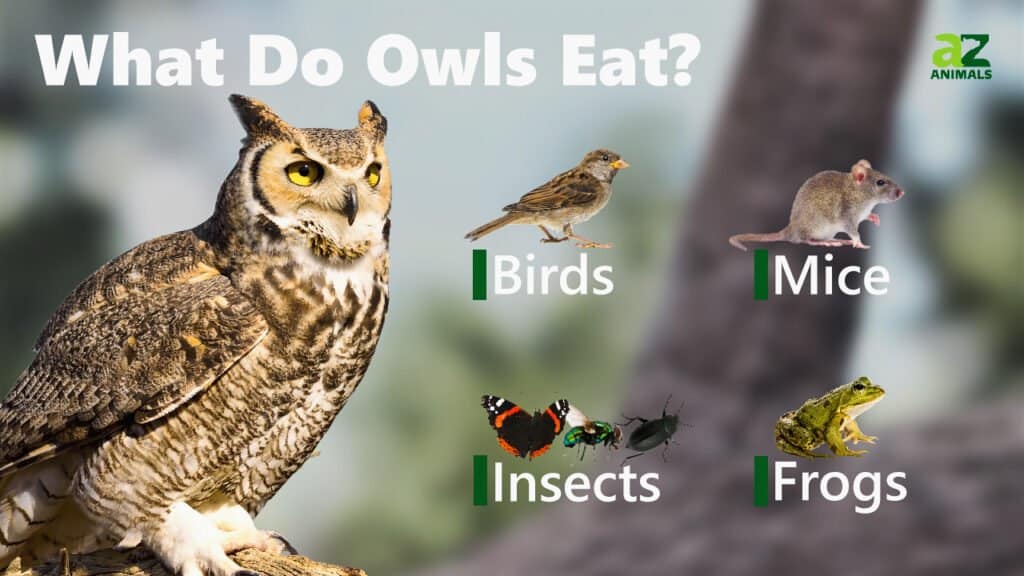
Most owls are predators that eat animals, but their diets differ greatly by species and habitat. Some specialize in small mammals; others take insects, birds, fish, or other available prey. Barn Owls often capture rodents, while smaller owls may depend heavily on invertebrates.
The essentials
Silent flight, forward-facing eyes, and sensitive hearing can help an owl locate prey under low light. Many species swallow small prey whole and later regurgitate pellets containing indigestible material such as bones and fur.
What makes this subject distinctive
The popular image of every owl hunting mice at night is incomplete. Some owls hunt at dawn, dusk, or in daylight, and prey selection varies with season. A pellet can reveal what was eaten, but it may not represent the entire diet.
Food sources, safe nesting places, and movement between habitats influence where birds appear. A forest bird may visit a campsite, and a grassland bird may cross a suburb, but a brief encounter cannot establish its preferred year-round habitat. Regional field guides and dated sightings give important context.
Common misconceptions and limits
Owls are wild birds of prey rather than general-purpose pest-control tools. Habitat quality, nesting opportunities, and prey populations influence owl survival more than any single food item does.
Wild birds should be described as part of an ecosystem, not as pets whose behavior can be controlled. Habitat, season, and the age or sex of the animal can change the observations available to a field researcher. Good sources include regional bird atlases and field observations with dates.
Why the habitat matters
Food sources, safe nesting places, and movement between habitats influence where birds appear. A forest bird may visit a campsite, and a grassland bird may cross a suburb, but a brief encounter cannot establish its preferred year-round habitat. Regional field guides and dated sightings give important context.
Key points at a glance
Most owls are predators that eat animals, but their diets differ greatly by species and habitat.
Silent flight, forward-facing eyes, and sensitive hearing can help an owl locate prey under low light.
The popular image of every owl hunting mice at night is incomplete.
Frequently asked questions
What is a useful first identification clue?
Most owls are predators that eat animals, but their diets differ greatly by species and habitat.
Does appearance or behavior vary?
Silent flight, forward-facing eyes, and sensitive hearing can help an owl locate prey under low light.
What should be checked before making a broad claim?
Owls are wild birds of prey rather than general-purpose pest-control tools.
Explore related guides
A Field Guide to Wild Birds: Identification, Habitats, Behavior and Conservation
