Aquarium Maintenance: A Practical Routine for Healthy Fish
Aquarium Maintenance: A Practical Routine for Healthy Fish. Discover practical facts, risks, and care considerations before you decide what to do next.
Aquarium Maintenance: A Practical Routine for Healthy Fish
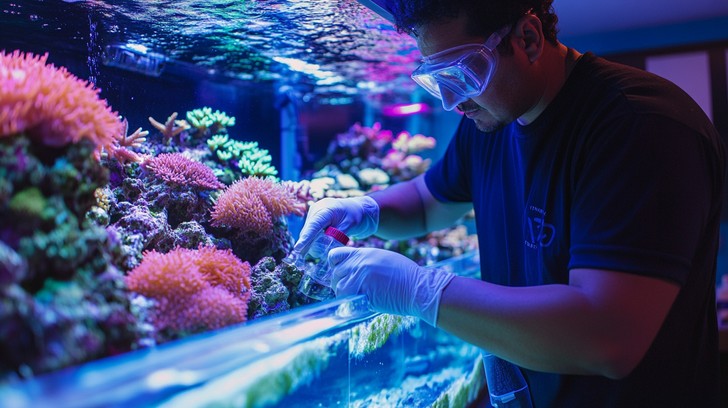
Aquarium maintenance is less about making the tank look spotless than keeping water conditions stable for living animals. Fish, plants, filters, and beneficial microbes form a working system. Test ammonia, nitrite, nitrate, temperature, and other parameters relevant to the species, then use trends to decide what needs attention.
What the context tells you
Partial water changes remove accumulated waste without replacing all the water at once. Match replacement water for temperature and treat tap water for chlorine or chloramine as needed. Wash filter media gently in removed tank water when necessary rather than sterilizing all biological surfaces.
Practical steps and everyday care
Feed carefully, remove rotting debris, check equipment daily, and inspect fish for changes in appetite, swimming, respiration, and skin. Record test results so a creeping nitrate increase is noticed before livestock is stressed. New tanks and recently disturbed filters deserve extra monitoring.
Check the system before changing the livestock
Fish and invertebrates live continuously in the water conditions their keepers create. Ammonia and nitrite should not be assumed safe simply because water is clear. Before changing stocking, food, pH, or equipment, confirm that the filter is established and that temperature and chemistry suit the exact species. Small, measured changes are easier to evaluate than several interventions at once, especially in a mature community tank.
A real-world example
Imagine a tank keeper scrubbing the filter until spotless and replacing all media at once. The water may look clearer, but biological filtration can suffer because beneficial microbes were removed. A more stable routine changes water in measured amounts, checks the filter's flow, and cleans only what is needed while preserving established media.
Avoiding preventable tank problems
Avoid huge unplanned water changes or replacing every filter component simultaneously unless responding to an emergency with expert guidance. An aquarium can look crystal clear while containing unsafe ammonia. Biological stability is more important than cosmetic perfection.
A quick decision checklist
Verify the species and test actual aquarium water before changing the setup.
Establish water testing, partial changes, equipment checks and avoiding over-cleaning biological media.
Write down ammonia, nitrite, temperature, and other species-relevant test readings.
Seek qualified veterinary, extension, or species-specialist guidance before using medication or making major changes.
Frequently asked questions
Can I fix this by adding another fish or chemical?
Usually it is better to identify the actual cause first. Adding livestock increases the biological load, and chemical shortcuts can produce rapid changes. Testing and reviewing species needs should come before any major intervention.
What should I test or observe first?
Measure ammonia, nitrite, nitrate, temperature, and species-relevant hardness or salinity. Also check feeding, behavior, and whether the biological filter was recently disturbed.
Related reading
how do you lower ph in fish tank
Reliable resources for further checking
Editorial status: draft. Check current professional guidance and local rules before publication; urgent symptoms require appropriate veterinary help.
