Assassin Snail Care: Diet, Tankmates and Population Control
Assassin Snail Care: Diet, Tankmates and Population Control. Discover practical facts, risks, and care considerations before you decide what to do next.
Assassin Snail Care: Diet, Tankmates and Population Control
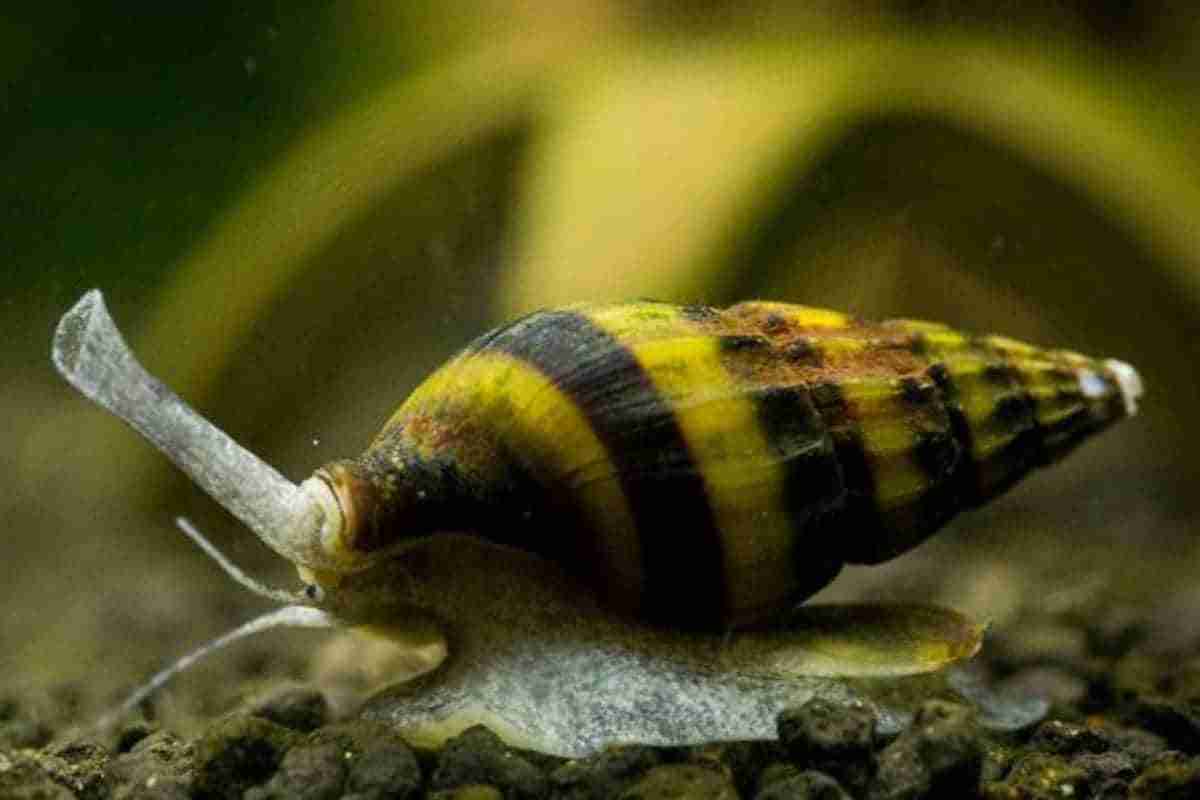
Assassin snails are predatory freshwater snails that may eat smaller snails and scavenged animal food. Their reputation as a cleanup shortcut can be misleading: they are living animals with their own feeding and water-quality requirements. They may also affect desirable ornamental snails.
What the context tells you
An assassin snail does not guarantee total elimination of a pest-snail population, especially if excess food remains. Soft substrate supports natural burrowing. Water stability, adequate calcium, and safe tankmates matter for long-term welfare.
Practical steps and everyday care
First address overfeeding, plant hitchhikers, and waste if unwanted snails are multiplying. If choosing an assassin snail, plan what happens after prey numbers fall and offer suitable meaty foods. Observe interactions rather than trusting simplified compatibility charts.
Check the system before changing the livestock
Fish and invertebrates live continuously in the water conditions their keepers create. Ammonia and nitrite should not be assumed safe simply because water is clear. Before changing stocking, food, pH, or equipment, confirm that the filter is established and that temperature and chemistry suit the exact species. Small, measured changes are easier to evaluate than several interventions at once, especially in a mature community tank.
A real-world example
An assassin snail is added to a tank with a large population of nuisance snails. When prey becomes scarce, the predator still needs appropriate food and care. Planning that future before purchase is the difference between thoughtful biological management and treating an animal as disposable equipment.
Avoiding preventable tank problems
Never release unwanted snails or aquarium water outdoors. Avoid using a predator to solve a problem unless you can responsibly keep that predator even when the original nuisance is gone.
A quick decision checklist
Verify the species and test actual aquarium water before changing the setup.
Explain predatory feeding, aquarium compatibility and responsibility when rehoming.
Write down ammonia, nitrite, temperature, and other species-relevant test readings.
Seek qualified veterinary, extension, or species-specialist guidance before using medication or making major changes.
Frequently asked questions
Can I fix this by adding another fish or chemical?
Usually it is better to identify the actual cause first. Adding livestock increases the biological load, and chemical shortcuts can produce rapid changes. Testing and reviewing species needs should come before any major intervention.
What should I test or observe first?
Measure ammonia, nitrite, nitrate, temperature, and species-relevant hardness or salinity. Also check feeding, behavior, and whether the biological filter was recently disturbed.
Related reading
how do you lower ph in fish tank
Reliable resources for further checking
Editorial status: draft. Check current professional guidance and local rules before publication; urgent symptoms require appropriate veterinary help.
