Freshwater Aquarium Snails: Species, Benefits and Risks
Freshwater Aquarium Snails: Species, Benefits and Risks. Discover practical facts, risks, and care considerations before you decide what to do next.
Freshwater Aquarium Snails: Species, Benefits and Risks
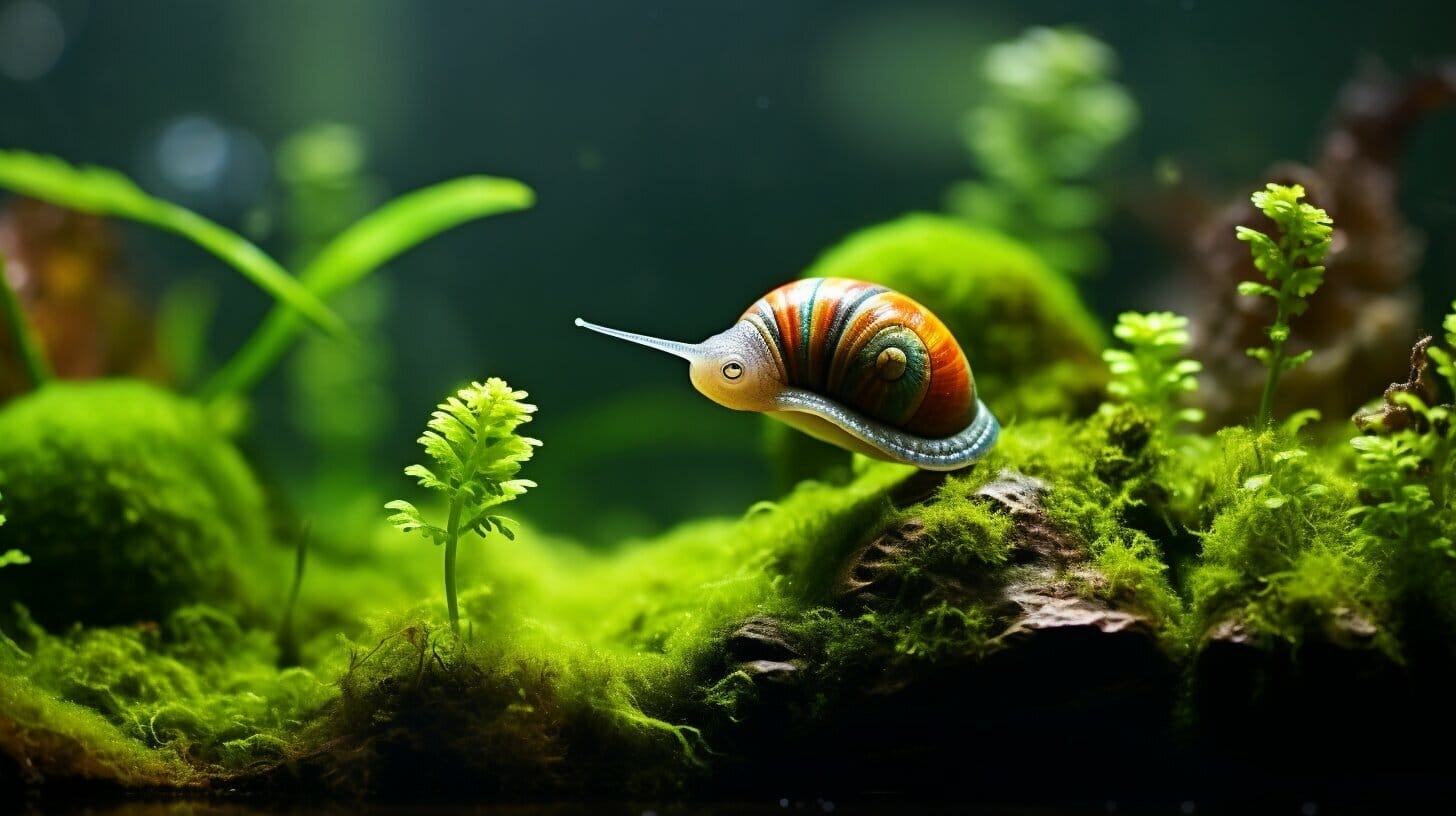
Freshwater aquarium snails differ widely. Nerite snails often graze on biofilm and algae, mystery snails consume varied foods, and hitchhiking small snails may reproduce quickly when excess food is available. No snail is a substitute for water changes or a balanced aquarium.
What the context tells you
Compatibility depends on fish species, shell health, substrate, copper exposure, and the tank's mineral content. Shell erosion can signal inappropriate water chemistry or inadequate dietary minerals. Some species lay eggs above the waterline, while others reproduce within the tank.
Practical steps and everyday care
Identify the snail before choosing food or roommates. Offer species-appropriate supplemental food if natural grazing is insufficient, remove uneaten food, and inspect filter intakes for trapped animals. Avoid releasing aquarium snails into outdoor waters.
Check the system before changing the livestock
Fish and invertebrates live continuously in the water conditions their keepers create. Ammonia and nitrite should not be assumed safe simply because water is clear. Before changing stocking, food, pH, or equipment, confirm that the filter is established and that temperature and chemistry suit the exact species. Small, measured changes are easier to evaluate than several interventions at once, especially in a mature community tank.
A real-world example
A single hitchhiking snail can turn into many if uneaten fish food accumulates. Killing every snail may leave dead animals that worsen water quality, while adding predators changes the community. Reducing excess food and removing accessible eggs can be more sustainable. Conversely, a mystery snail with a damaged shell may need mineral and water-condition review.
Avoiding preventable tank problems
A sudden population boom often indicates excess available food, not a need for stronger chemicals. Snail-killing treatments can harm other invertebrates and leave decaying animals that degrade water quality. Manage the cause before adding predators.
A quick decision checklist
Verify the species and test actual aquarium water before changing the setup.
Differentiate cleanup roles, overpopulation, eggs and safe tank compatibility.
Write down ammonia, nitrite, temperature, and other species-relevant test readings.
Seek qualified veterinary, extension, or species-specialist guidance before using medication or making major changes.
Frequently asked questions
Can I fix this by adding another fish or chemical?
Usually it is better to identify the actual cause first. Adding livestock increases the biological load, and chemical shortcuts can produce rapid changes. Testing and reviewing species needs should come before any major intervention.
What should I test or observe first?
Measure ammonia, nitrite, nitrate, temperature, and species-relevant hardness or salinity. Also check feeding, behavior, and whether the biological filter was recently disturbed.
Related reading
how do you lower ph in fish tank
Reliable resources for further checking
Editorial status: draft. Check current professional guidance and local rules before publication; urgent symptoms require appropriate veterinary help.
