How to Lower Aquarium pH Safely Without Sudden Swings
How to Lower Aquarium pH Safely Without Sudden Swings. Discover practical facts, risks, and care considerations before you decide what to do next.
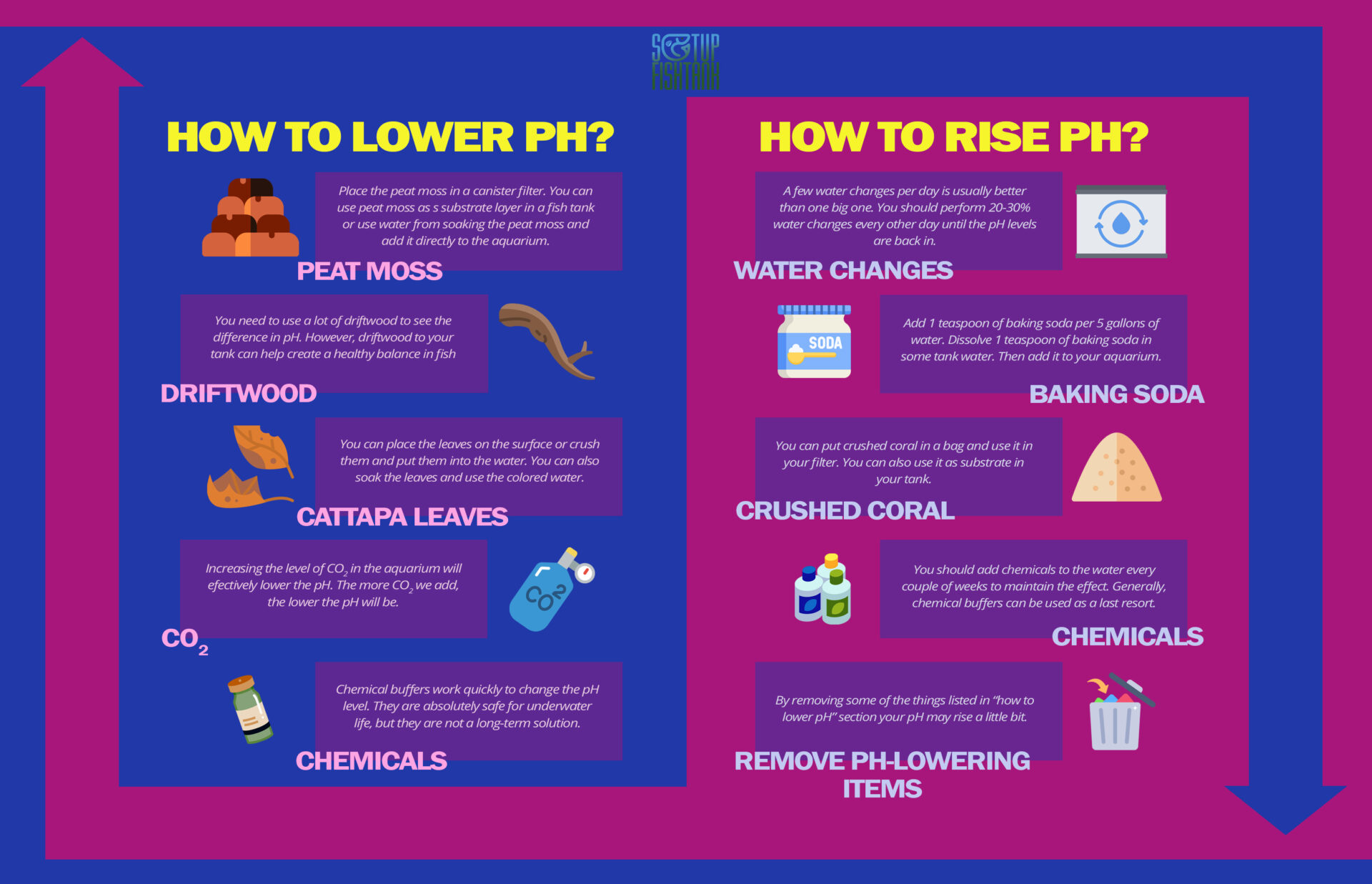
How to Lower Aquarium pH Safely Without Sudden Swings
The ideal pH for a fish tank depends on the species and on stability, not one universal target. A steady pH slightly outside a textbook range may be less stressful than rapid swings induced by chemical additives. Carbonate hardness, often abbreviated KH, helps buffer acidity.
What the context tells you
Test pH together with KH, source water, temperature, and the species' actual needs. Fish sold for different water conditions should not be casually mixed. Driftwood, substrate, remineralization, and water treatment can influence chemistry, but changes must be evaluated as a system.
Practical steps and everyday care
Confirm that pH is truly causing a husbandry problem before intervening. If adjustment is justified, make gradual controlled changes and log results. Quarantine or acclimation plans matter when fish move between significantly different conditions.
Check the system before changing the livestock
Fish and invertebrates live continuously in the water conditions their keepers create. Ammonia and nitrite should not be assumed safe simply because water is clear. Before changing stocking, food, pH, or equipment, confirm that the filter is established and that temperature and chemistry suit the exact species. Small, measured changes are easier to evaluate than several interventions at once, especially in a mature community tank.
A real-world example
If a keeper measures a high pH, adds an acid product, and sees the pH climb back the next day, KH buffering may explain the rebound. Repeated doses can create stressful swings. A better first step is to test the source water and KH, check the species' true needs, and investigate whether an adjustment is justified.
Avoiding preventable tank problems
Quick-fix acid products can produce a rebound when KH remains high. An abrupt pH crash can injure livestock and destabilize filtration. Seek specialist guidance for sensitive breeding species rather than experimenting inside a populated display tank.
A quick decision checklist
Verify the species and test actual aquarium water before changing the setup.
Emphasize species needs, KH buffering and avoiding rapid chemical changes.
Write down ammonia, nitrite, temperature, and other species-relevant test readings.
Seek qualified veterinary, extension, or species-specialist guidance before using medication or making major changes.
Frequently asked questions
Can I fix this by adding another fish or chemical?
Usually it is better to identify the actual cause first. Adding livestock increases the biological load, and chemical shortcuts can produce rapid changes. Testing and reviewing species needs should come before any major intervention.
What should I test or observe first?
Measure ammonia, nitrite, nitrate, temperature, and species-relevant hardness or salinity. Also check feeding, behavior, and whether the biological filter was recently disturbed.
Related reading
Reliable resources for further checking
Editorial status: draft. Check current professional guidance and local rules before publication; urgent symptoms require appropriate veterinary help.
