Cyanobacteria in Aquariums: Causes and Prevention
Cyanobacteria in Aquariums: Causes and Prevention. Discover practical facts, risks, and care considerations before you decide what to do next.
Cyanobacteria in Aquariums: Causes and Prevention
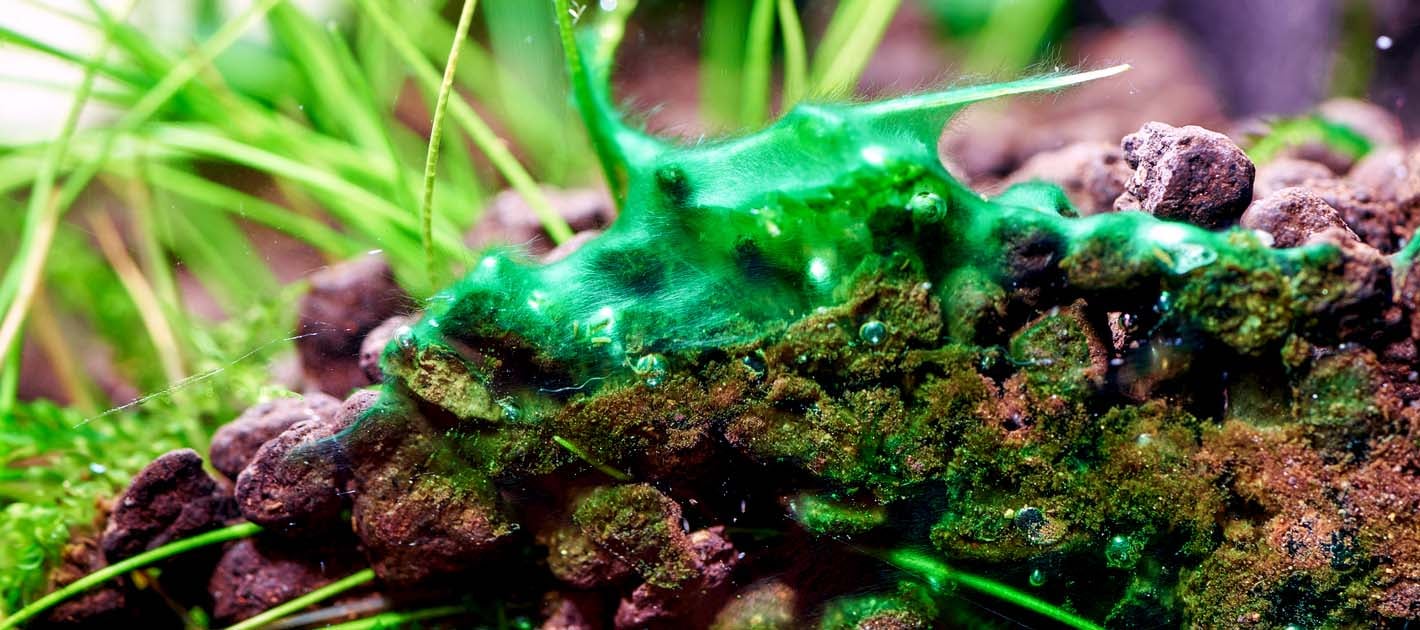
Aquarium cyanobacteria, often called blue-green algae, are photosynthetic bacteria rather than ordinary algae. They can form slimy sheets over substrate, decorations, and plants. Appearance alone is not a complete diagnosis, but the coating often lifts in mats and can return rapidly when conditions remain favorable.
What the context tells you
Light timing, nutrient imbalances, organic debris, and low-flow pockets may contribute to outbreaks. Simply scraping the coating gives short-term cosmetic improvement if the underlying conditions persist. More chemicals are not automatically better, particularly in a tank with invertebrates or delicate fish.
Practical steps and everyday care
Siphon accessible material carefully during partial water changes, inspect circulation, remove waste, and review feeding and photoperiod. Test water and verify that plants and filters are functioning as intended. Keep a log of where growth starts and how quickly it returns.
Check the system before changing the livestock
Fish and invertebrates live continuously in the water conditions their keepers create. Ammonia and nitrite should not be assumed safe simply because water is clear. Before changing stocking, food, pH, or equipment, confirm that the filter is established and that temperature and chemistry suit the exact species. Small, measured changes are easier to evaluate than several interventions at once, especially in a mature community tank.
A real-world example
A slimy blue-green film appearing repeatedly along one low-flow corner may indicate a local circulation and nutrient issue. Siphoning the coating without changing conditions can make it return. Keep a record of the affected spot, feeding, lighting, and water parameters, then make one manageable adjustment at a time.
Avoiding preventable tank problems
Do not allow children or pets to handle suspect growth carelessly, and avoid guessing whether a particular outbreak produces toxins. Persistent or extensive blooms warrant an aquatics professional's assessment before medication or blackout treatments.
A quick decision checklist
Verify the species and test actual aquarium water before changing the setup.
Identify blue-green growth, light/nutrients/water flow and safe management steps.
Write down ammonia, nitrite, temperature, and other species-relevant test readings.
Seek qualified veterinary, extension, or species-specialist guidance before using medication or making major changes.
Frequently asked questions
Can I fix this by adding another fish or chemical?
Usually it is better to identify the actual cause first. Adding livestock increases the biological load, and chemical shortcuts can produce rapid changes. Testing and reviewing species needs should come before any major intervention.
What should I test or observe first?
Measure ammonia, nitrite, nitrate, temperature, and species-relevant hardness or salinity. Also check feeding, behavior, and whether the biological filter was recently disturbed.
Related reading
how do you lower ph in fish tank
Reliable resources for further checking
Editorial status: draft. Check current professional guidance and local rules before publication; urgent symptoms require appropriate veterinary help.
