Are Snake Plants Toxic to Cats? Symptoms and What to Do
Are Snake Plants Toxic to Cats Symptoms and What to Do. Discover practical facts, risks, and care considerations before you decide what to do next.
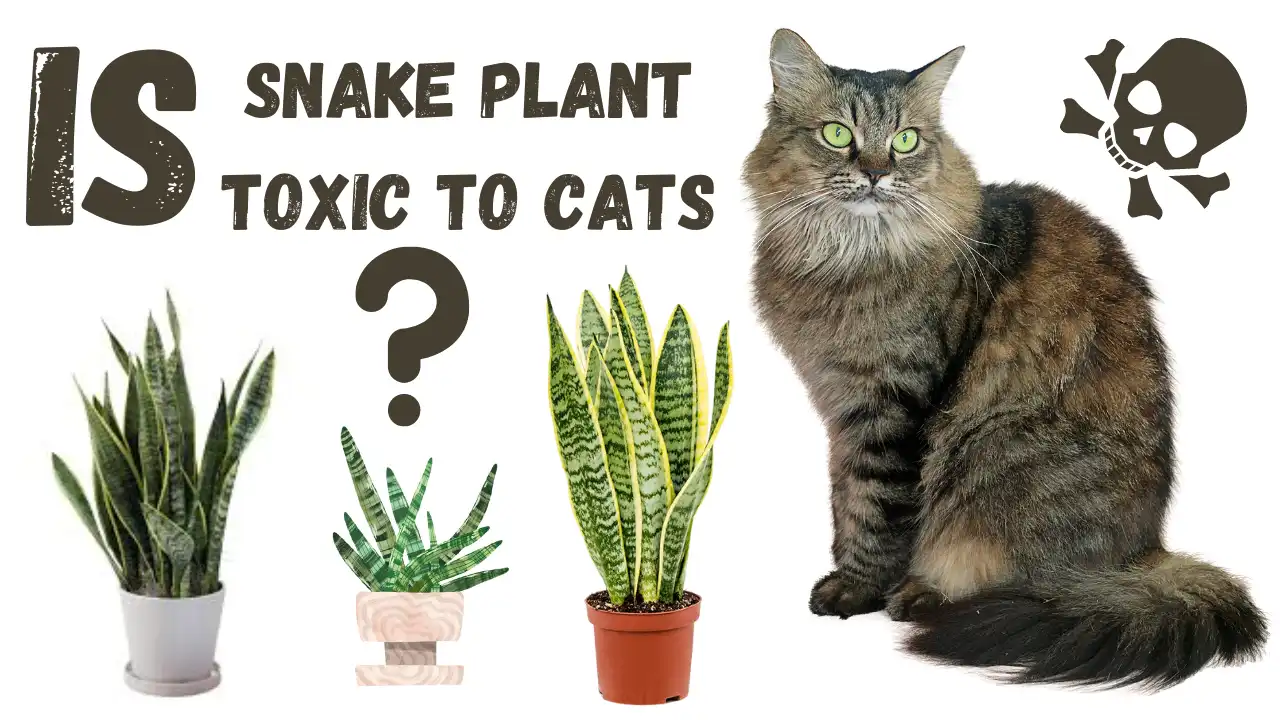
Are Snake Plants Toxic to Cats? Symptoms and What to Do
Snake plant, historically called Sansevieria trifasciata and now commonly classified as Dracaena trifasciata, is listed as toxic to cats by the ASPCA. Its saponins can cause gastrointestinal irritation such as nausea, vomiting, and diarrhea. Plant names can be confusing, so identification matters when assessing an exposure.
What the context tells you
A cat may chew leaves out of curiosity or boredom; visible bite marks do not tell you how much was swallowed. Symptoms and severity vary. Do not induce vomiting, offer oils, or give salt as a homemade treatment. Keep a photo or sample of the plant for identification if a veterinarian requests it.
Practical steps and everyday care
Remove access to the plant, pick up fallen leaves, and observe the cat. Contact your veterinarian or a pet poison helpline for advice about possible ingestion, especially if there are symptoms. Replace risky plants with pet-safer alternatives and provide enrichment to discourage chewing.
Pay attention to context and baseline behavior
Cats communicate through combinations of ear position, eyes, tail movement, posture, vocalization, and distance from people or other animals. A normally relaxed cat reacting differently may be responding to environmental changes or discomfort. Track when the change began, access to food and litter, medications, and any new plants or products. Quiet hiding does not necessarily mean a cat is comfortable; changes in eating, grooming, elimination, or activity are important.
A real-world example
A pet owner may have two plants labeled mother-in-law's tongue and Dracaena on different receipts, even though naming overlaps in horticulture. Take a clear photo of the whole plant and leaves for a veterinarian. Put the plant out of reach and ask for exposure guidance. The correct action is not to test whether the cat vomits before seeking advice.
When to get veterinary advice
Repeated vomiting, marked lethargy, trouble breathing, or inability to keep water down needs urgent veterinary attention. Never use a generic houseplant safety list as the sole basis for deciding that a plant is harmless.
A quick decision checklist
Check whether this differs from the cat’s usual behavior, eating, and litter routine.
Give plant identification cautions and safe steps after exposure; no homemade antidotes.
Note body language, appetite, litter habits, and changes in the home.
Seek qualified veterinary, extension, or species-specialist guidance before using medication or making major changes.
Frequently asked questions
What if the behavior or symptom starts suddenly?
A sudden departure from the cat's normal pattern deserves closer attention. If appetite, breathing, elimination, mobility, or alertness is affected, contact a veterinarian promptly. Never use human medications or essential oils as a substitute for a diagnosis.
How do I know this advice fits my cat?
Compare the change with your cat’s normal eating, activity, litter, grooming, and body language. A sudden or persistent departure from baseline deserves professional advice.
Related reading
Reliable resources for further checking
Editorial status: draft. Check current professional guidance and local rules before publication; urgent symptoms require appropriate veterinary help.
