SureFeed Microchip Pet Feeder: Model and Use Guide
Learn what SureFeed microchip feeders do, how chip or collar-tag access works and how to separate cat meals safely.
SureFeed Microchip Pet Feeder: Model and Use Guide
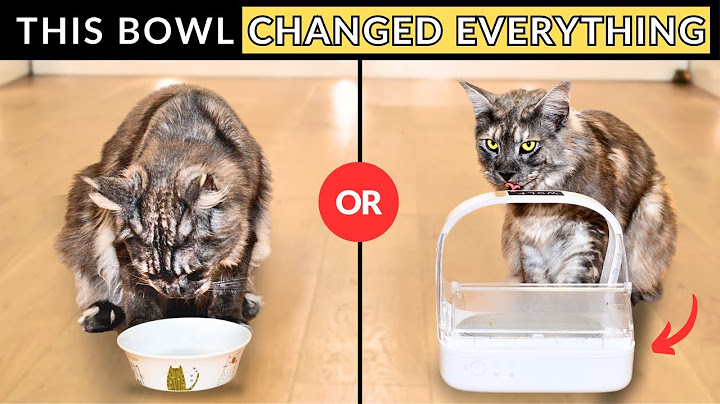
The SureFeed Microchip Pet Feeder from Sure Petcare is designed to give a recognized pet access to its own bowl. It is often considered in multi-cat homes when one pet steals another's food or cats eat different diets. Its lid recognizes an approved microchip or compatible tag, but this is not the same as a scheduled hopper dispensing fresh measured portions. This overview is based on official manufacturer materials, not an independent performance test.
SureFeed family and model variants
Sure Petcare has a family of feeding products, including the standard Microchip Pet Feeder, Microchip Pet Feeder Connect and other bowls. Names can be easy to mix up. The standard model offers identity-controlled lid access; the Connect variant adds feeding-habit monitoring features and requires a hub for connected functionality according to Sure Petcare's comparison materials. Do not assume the base model supplies app reports or a timer because another SureFeed model does. Review the exact product and accessory list where you buy. Replacement bowls and mats are not universally interchangeable across every version, so check compatibility before ordering extras.
Microchip/tag detection explained
For the standard Microchip Pet Feeder, the manufacturer describes recognition of common implanted identification chips and use of a SureFlap RFID collar tag when needed. The device stores authorized identities and opens its lid as the correct pet approaches. Sure Petcare provides a chip-compatibility checker, which is a better first step than trusting a generic listing that says 'works with every chip.' The manufacturer lists support for up to 32 registered identities on the standard unit. Registration is an access setting, not evidence that those pets should share one bowl. In homes with competing cats, separate physical locations may be more important than the maximum number of stored IDs.
What automatic access does and does not automate
A lid that opens for one pet can help reduce food theft, but it does not weigh out new kibble on a schedule. The owner still fills the bowl, measures the portion and removes leftovers. For a cat on an individualized veterinary diet, this may help separate food, but the animal must still eat enough and an unauthorized cat might approach during the brief opening. Observe several complete meals before relying on access control. If your real requirement is timed breakfast while you sleep, a programmable dry-food dispenser could be more appropriate; if your problem is another cat taking food, access control is more relevant.
Introducing a nervous cat to lid motion
The official SureFeed information describes a training mode that lets cats become accustomed to lid movement gradually. Begin by placing a familiar serving in the unit with the lid movement reduced or disabled as the training instructions allow. Let the cat approach voluntarily and do not push its head into the bowl. Increase the lid's action only when the cat remains relaxed. Watch for food guarding by other pets and move the station if one cat waits nearby. If the cat misses meals because of fear or access problems, return to a familiar dish and contact a veterinarian for advice about safe feeding.
Wet/dry food and cleaning considerations
Sure Petcare describes the standard Microchip Pet Feeder as suitable for wet or dry food and provides full and split bowl options. A lid may reduce access by flies, but it is not refrigeration. Opened moist food still needs prompt refrigeration or disposal according to FDA guidance. Clean food-contact bowls as directed and check the lid for trapped crumbs or dried food. The standard product page lists battery power; check current battery type, indicator behavior and maintenance before relying on it. Keep a backup bowl for power or recognition failures and confirm that every cat can reach water separately.
Compare official current specs before buying
Compare product numbers, bowl types, connect features, chip compatibility and included tags against today's official listings. Avoid treating retailer photos of 'SureFeed' as a single product with one universal spec sheet. Ask whether the hub is sold separately for any monitoring model, and consider privacy and account requirements if you choose connected features. Finally, see how your cat behaves with the actual lid. A device can meet published specifications while still being a poor fit for a timid pet or a tense multi-cat household.
Frequently asked questions
Does SureFeed dispense food at set times?
The standard Microchip Pet Feeder primarily controls access to a filled bowl; it is not a timed kibble hopper.
Will SureFeed work without a microchip?
The manufacturer supports a compatible RFID collar tag for pets without an implanted chip.
Can SureFeed hold wet cat food?
The official standard model supports wet and dry food, but the lid does not refrigerate food.
Is SureFeed Connect the same model?
No. The connected version adds separate monitoring features and hub requirements; check the exact model.
Related guides
Read: Automatic Cat Feeders: A Practical Buying and Setup Guide
Read: Microchip Cat Feeder: How It Works and What It Cannot Do