Canary Care: Housing, Food and Daily Enrichment
Canary Care: Housing, Food and Daily Enrichment. Discover practical facts, risks, and care considerations before you decide what to do next.
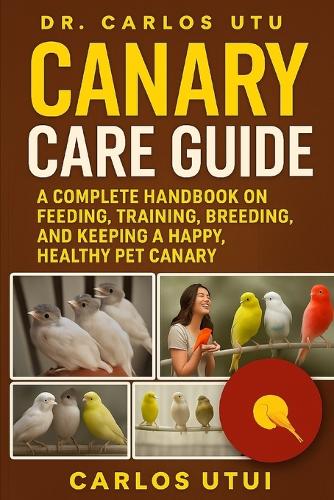
Canary Care: Housing, Food and Daily Enrichment
Canaries are small finches valued for their singing and active behavior. They require flight opportunity, a nutritious diet, clean water, and appropriately spaced perches rather than a narrow ornament cage. Some males sing frequently, but song strength varies with individual, season, health, and environment.
What the context tells you
A seed-only diet can be nutritionally incomplete. Ask an avian veterinarian about suitable formulated foods and safe vegetables for your bird. Housing should support horizontal movement, with perches of varying comfortable diameters, safe bathing access, and protection from drafts and kitchen fumes.
Practical steps and everyday care
Clean food and water containers daily, check feet and nails, provide a consistent light-dark rhythm, and let birds choose how much human interaction they want. Introductions between birds require caution because compatibility is not guaranteed.
Daily welfare goes beyond the cage
Bird care includes fresh water, a nutritionally suitable diet, opportunities for safe movement, foraging, calm social contact, and uninterrupted rest. Household smoke, overheated nonstick cookware, aerosols, and unsafe metals can pose serious hazards. Because pet birds often mask illness, subtle changes in droppings, appetite, posture, or weight can be more informative than dramatic outward symptoms. Establish an avian veterinary relationship while the bird is well.
A real-world example
A canary placed in a tall narrow cage might have many perches yet little opportunity for meaningful horizontal movement. A longer safe enclosure with appropriate perches better supports flight. Singing should be viewed alongside appetite, posture, and activity rather than treated as the only measure of health.
Welfare and avian health alerts
Reduced song accompanied by puffing up, tail bobbing while breathing, sitting low, or appetite changes may signal illness. A canary can deteriorate quickly; consult an avian veterinarian rather than applying over-the-counter medicines indiscriminately.
A quick decision checklist
Check the bird’s normal eating, droppings, energy, and housing conditions.
Discuss flight space, species-appropriate seed versus balanced diet and perching.
Track eating, droppings, sleeping behavior, and any changes in vocalization or posture.
Seek qualified veterinary, extension, or species-specialist guidance before using medication or making major changes.
Frequently asked questions
Can a small cage and a seed bowl be enough?
No. Species-appropriate flight or climbing space, balanced nutrition, daily enrichment, sleep, sanitation, and veterinary oversight are basic responsibilities even for small birds.
What changes suggest a bird may be unwell?
Reduced appetite, changed droppings, breathing effort, unusual fluffed posture, or reluctance to perch merits prompt contact with an avian veterinarian.
Related reading
Reliable resources for further checking
Editorial status: draft. Check current professional guidance and local rules before publication; urgent symptoms require appropriate veterinary help.
