Caique Parrot: Temperament, Enrichment and Daily Care
Caique Parrot: Temperament, Enrichment and Daily Care. Discover practical facts, risks, and care considerations before you decide what to do next.
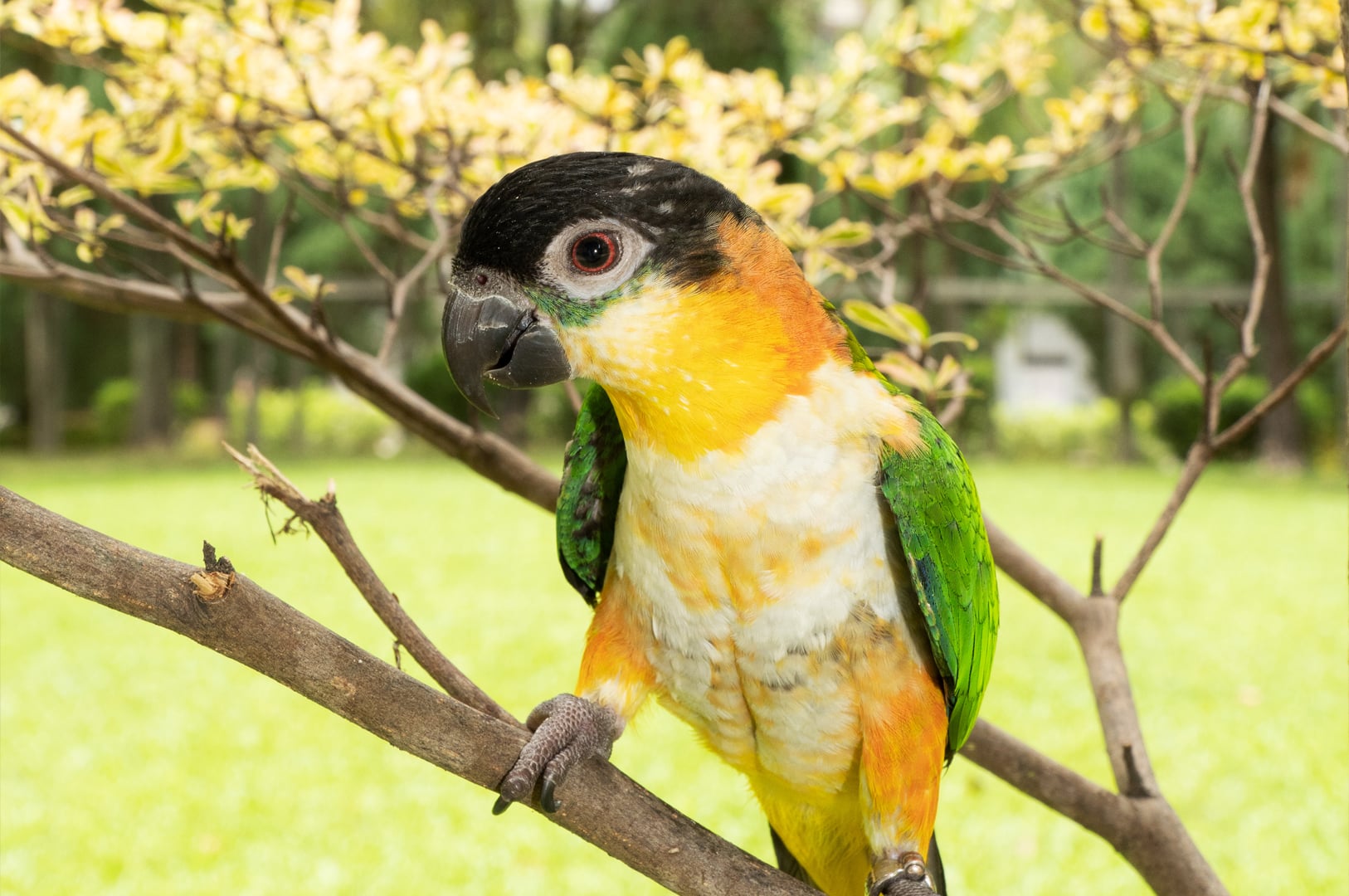
Caique Parrot: Temperament, Enrichment and Daily Care
Caiques are energetic medium-small parrots known for acrobatic movement and intense play. Their lively behavior can be entertaining but includes loud calls, strong beaks, and a potential for biting when overstimulated. A caique needs more than a perch and a food bowl.
What the context tells you
Rotating foraging toys, safe climbing areas, and predictable social routines help channel activity. Individual birds vary in how much physical contact they tolerate. Rough play or forced cuddling can teach problematic interactions and make warning signals harder to recognize.
Practical steps and everyday care
Provide room for safe wing movement, supervised out-of-cage exercise, bird-safe wood and paper shredding, and a balanced diet guided by an avian veterinarian. Train step-up and cooperative handling with rewards and respect the bird's retreat behavior.
Daily welfare goes beyond the cage
Bird care includes fresh water, a nutritionally suitable diet, opportunities for safe movement, foraging, calm social contact, and uninterrupted rest. Household smoke, overheated nonstick cookware, aerosols, and unsafe metals can pose serious hazards. Because pet birds often mask illness, subtle changes in droppings, appetite, posture, or weight can be more informative than dramatic outward symptoms. Establish an avian veterinary relationship while the bird is well.
A real-world example
A caique leaps enthusiastically onto a hand during play but becomes nippy when the game gets intense. Read its body language and reduce stimulation before it escalates. Reward calm step-ups, offer shreddable toys, and make sure there is a predictable safe space away from household commotion.
Welfare and avian health alerts
Sudden screaming, feather damage, loss of appetite, or changes in droppings may reflect stress or illness. Seek avian veterinary help instead of relying on dominance-based handling or unverified supplements.
A quick decision checklist
Check the bird’s normal eating, droppings, energy, and housing conditions.
Explain energetic behavior, biting risk and social enrichment needs.
Track eating, droppings, sleeping behavior, and any changes in vocalization or posture.
Seek qualified veterinary, extension, or species-specialist guidance before using medication or making major changes.
Frequently asked questions
Can a small cage and a seed bowl be enough?
No. Species-appropriate flight or climbing space, balanced nutrition, daily enrichment, sleep, sanitation, and veterinary oversight are basic responsibilities even for small birds.
What changes suggest a bird may be unwell?
Reduced appetite, changed droppings, breathing effort, unusual fluffed posture, or reluctance to perch merits prompt contact with an avian veterinarian.
Related reading
what decibel level are parrots
Reliable resources for further checking
Editorial status: draft. Check current professional guidance and local rules before publication; urgent symptoms require appropriate veterinary help.
