Eclectus Parrot: Diet, Behavior and Housing
Eclectus Parrot: Diet, Behavior and Housing. Discover practical facts, risks, and care considerations before you decide what to do next.
Eclectus Parrot: Diet, Behavior and Housing
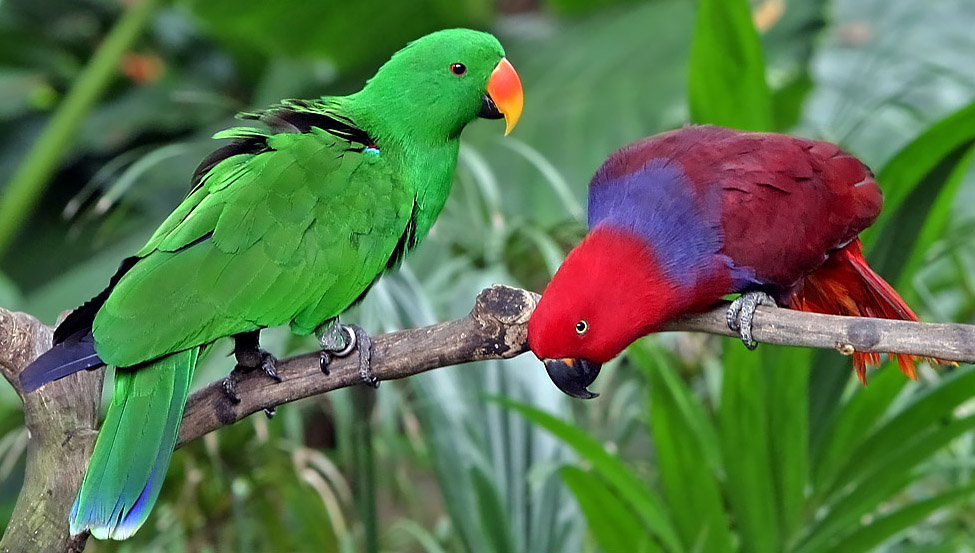
Eclectus parrots are notable for sexual dimorphism: males are typically green while females are often red and blue. Color does not capture their complex social and nutritional needs. They require space, enrichment, regular flight opportunities, and individualized avian care.
What the context tells you
Diet advice for Eclectus is sometimes oversimplified online. An avian veterinarian can help plan appropriate pellets, vegetables, fruit portions, and other foods, while assessing for nutrient imbalance. Abrupt dietary changes or vitamin supplementation without guidance may do harm.
Practical steps and everyday care
Offer fresh foods safely, remove leftovers before spoilage, encourage foraging, and monitor weight on a gram scale. Provide quiet sleep, a stable routine, and control of household risks such as fumes, open water, and unsafe metals.
Daily welfare goes beyond the cage
Bird care includes fresh water, a nutritionally suitable diet, opportunities for safe movement, foraging, calm social contact, and uninterrupted rest. Household smoke, overheated nonstick cookware, aerosols, and unsafe metals can pose serious hazards. Because pet birds often mask illness, subtle changes in droppings, appetite, posture, or weight can be more informative than dramatic outward symptoms. Establish an avian veterinary relationship while the bird is well.
A real-world example
An Eclectus that eats only a favored handful of foods may develop an unbalanced diet despite appearing colorful and active. Work with an avian veterinarian on a gradual feeding plan that keeps intake adequate. Monitor body weight and droppings while introducing variety instead of abruptly withholding familiar food.
Welfare and avian health alerts
Feather changes, abnormal movements, altered droppings, or reduced appetite require veterinary assessment. A striking appearance should never obscure the considerable cost and time needed for responsible ownership.
A quick decision checklist
Check the bird’s normal eating, droppings, energy, and housing conditions.
Explain striking sexual dimorphism, varied diet and specialized care.
Track eating, droppings, sleeping behavior, and any changes in vocalization or posture.
Seek qualified veterinary, extension, or species-specialist guidance before using medication or making major changes.
Frequently asked questions
Can a small cage and a seed bowl be enough?
No. Species-appropriate flight or climbing space, balanced nutrition, daily enrichment, sleep, sanitation, and veterinary oversight are basic responsibilities even for small birds.
What changes suggest a bird may be unwell?
Reduced appetite, changed droppings, breathing effort, unusual fluffed posture, or reluctance to perch merits prompt contact with an avian veterinarian.
Related reading
what decibel level are parrots
Reliable resources for further checking
Editorial status: draft. Check current professional guidance and local rules before publication; urgent symptoms require appropriate veterinary help.
