Types of Parrots: Species, Temperament and Care Needs
Types of Parrots: Species, Temperament and Care Needs. Discover practical facts, risks, and care considerations before you decide what to do next.
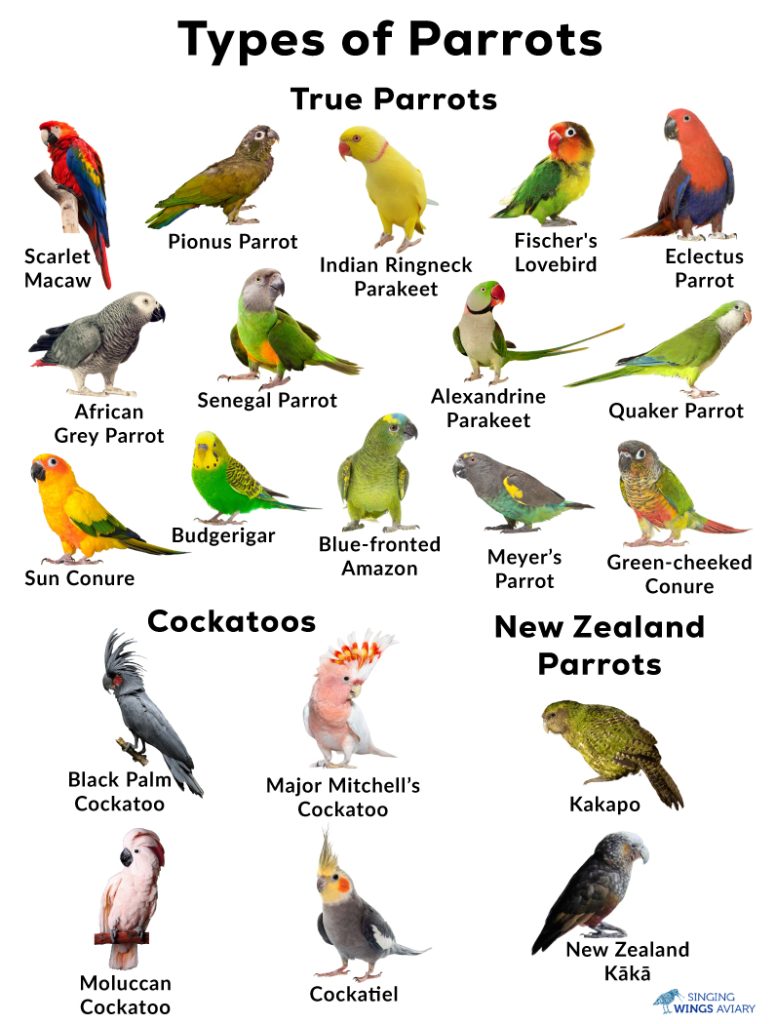
Types of Parrots: Species, Temperament and Care Needs
Parrots include a broad range of species, from compact budgerigars and lovebirds to large macaws and cockatoos. Their needs cannot be ranked by beauty, color, or a vague label like beginner bird. Lifespan, flight requirements, daily social time, noise, destructive chewing, and veterinary availability are crucial.
What the context tells you
Species differences matter in diet, social behavior, sensitivity to stress, and the amount of enrichment needed. Even relatively small parrots are intelligent, active animals; confinement to a tiny decorative cage can lead to physical and behavioral problems. Large birds have powerful bills and may be difficult for inexperienced households.
Practical steps and everyday care
Compare species by realistic adult size, flight space, flock compatibility, noise tolerance of neighbors, and decades of potential care. Visit reputable rescue organizations and consult an avian veterinarian before choosing. Ask about safe kitchen habits, airborne irritants, and emergency plans.
Daily welfare goes beyond the cage
Bird care includes fresh water, a nutritionally suitable diet, opportunities for safe movement, foraging, calm social contact, and uninterrupted rest. Household smoke, overheated nonstick cookware, aerosols, and unsafe metals can pose serious hazards. Because pet birds often mask illness, subtle changes in droppings, appetite, posture, or weight can be more informative than dramatic outward symptoms. Establish an avian veterinary relationship while the bird is well.
A real-world example
A family deciding between a budgerigar and a macaw should think beyond purchase price. Both need daily care and enrichment, but noise, space, lifespan, and potential bite strength can differ greatly. A visit to a reputable rescue and conversation with an avian veterinarian may change which species, if any, fits the household.
Welfare and avian health alerts
No parrot should be chosen as an ornament or assumed to enjoy constant handling. Every species requires opportunities for movement, foraging, social engagement, and meaningful choice about interaction.
A quick decision checklist
Check the bird’s normal eating, droppings, energy, and housing conditions.
Compare parrots by body size, life span, noise and welfare—not ornamental rankings.
Track eating, droppings, sleeping behavior, and any changes in vocalization or posture.
Seek qualified veterinary, extension, or species-specialist guidance before using medication or making major changes.
Frequently asked questions
Can a small cage and a seed bowl be enough?
No. Species-appropriate flight or climbing space, balanced nutrition, daily enrichment, sleep, sanitation, and veterinary oversight are basic responsibilities even for small birds.
What changes suggest a bird may be unwell?
Reduced appetite, changed droppings, breathing effort, unusual fluffed posture, or reluctance to perch merits prompt contact with an avian veterinarian.
Related reading
what decibel level are parrots
Reliable resources for further checking
Editorial status: draft. Check current professional guidance and local rules before publication; urgent symptoms require appropriate veterinary help.
