Peach-Faced Lovebird: Behavior, Housing and Social Needs
Peach-Faced Lovebird: Behavior, Housing and Social Needs. Discover practical facts, risks, and care considerations before you decide what to do next.
Peach-Faced Lovebird: Behavior, Housing and Social Needs
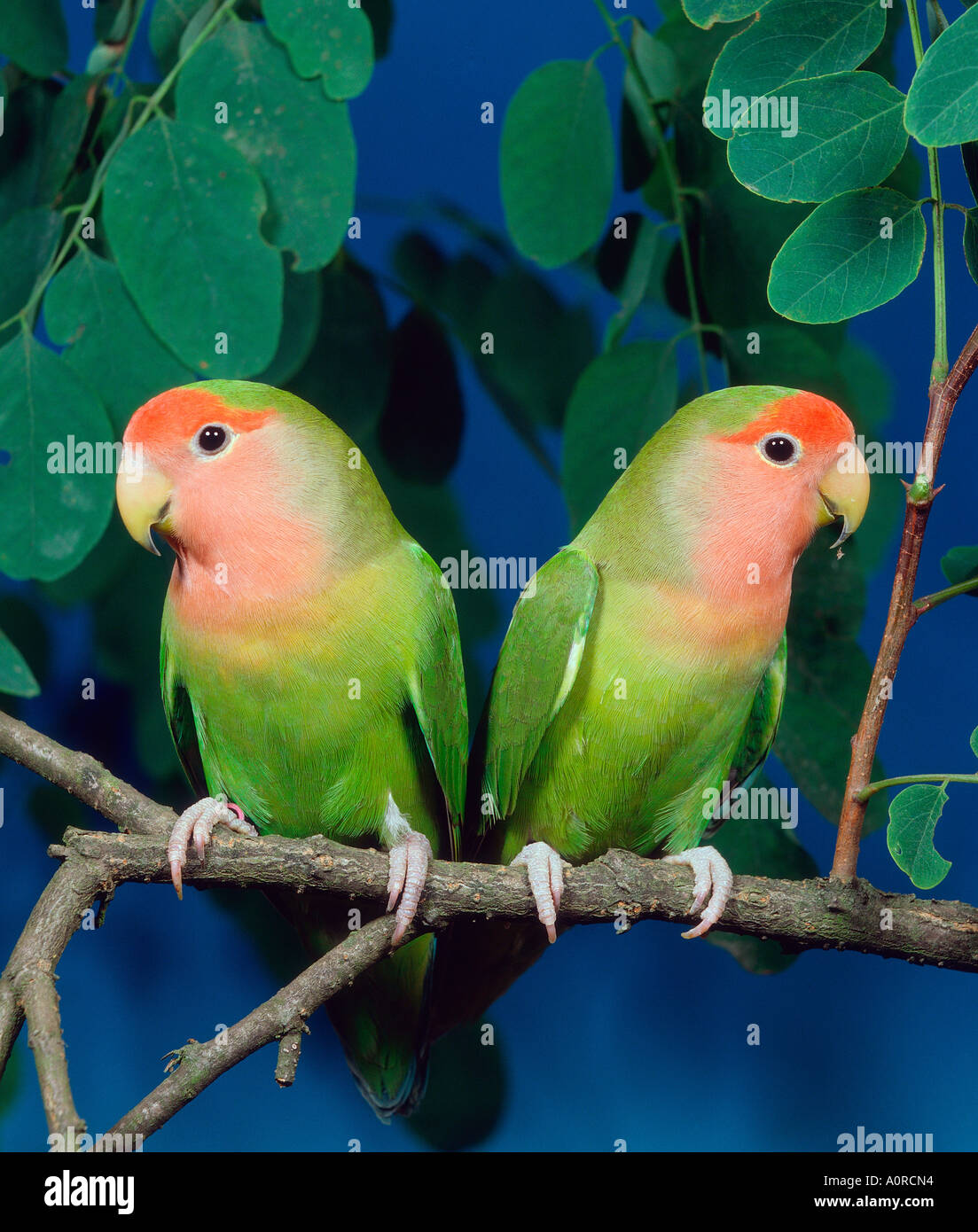
The peach-faced lovebird is a small African parrot with a strong bill, active climbing and flight behavior, and potentially bold territorial responses. Despite the name, a lovebird does not automatically need to live in a breeding pair; social needs must be assessed individually with care.
What the context tells you
Birds may form close bonds but can still be aggressive toward particular companions or at nest sites. A cramped cage, insufficient sleep, and lack of enrichment can worsen conflict. Small body size does not eliminate the need for veterinary care and safe flight space.
Practical steps and everyday care
Provide varied perches, chewable toys, foraging activities, an avian-appropriate diet, and consistent sleep conditions. Train using rewards and introduce any second bird through quarantine and gradual supervised contact.
Daily welfare goes beyond the cage
Bird care includes fresh water, a nutritionally suitable diet, opportunities for safe movement, foraging, calm social contact, and uninterrupted rest. Household smoke, overheated nonstick cookware, aerosols, and unsafe metals can pose serious hazards. Because pet birds often mask illness, subtle changes in droppings, appetite, posture, or weight can be more informative than dramatic outward symptoms. Establish an avian veterinary relationship while the bird is well.
A real-world example
Two lovebirds placed together without proper introduction may fight despite the species' romantic name. Use quarantine, separate housing at first, and supervised gradual meetings if a second bird is considered. The aim is safe social welfare, not forcing a permanent pairing based on an assumption.
Welfare and avian health alerts
Egg laying, prolonged fluffed posture, abnormal breathing, or appetite changes should prompt an avian veterinary consultation. Never force incompatible birds to share a cage to satisfy a romantic myth about their name.
A quick decision checklist
Check the bird’s normal eating, droppings, energy, and housing conditions.
Cover lovebird behavior, social interaction, noise and enrichment.
Track eating, droppings, sleeping behavior, and any changes in vocalization or posture.
Seek qualified veterinary, extension, or species-specialist guidance before using medication or making major changes.
Frequently asked questions
Can a small cage and a seed bowl be enough?
No. Species-appropriate flight or climbing space, balanced nutrition, daily enrichment, sleep, sanitation, and veterinary oversight are basic responsibilities even for small birds.
What changes suggest a bird may be unwell?
Reduced appetite, changed droppings, breathing effort, unusual fluffed posture, or reluctance to perch merits prompt contact with an avian veterinarian.
Related reading
what decibel level are parrots
Reliable resources for further checking
Editorial status: draft. Check current professional guidance and local rules before publication; urgent symptoms require appropriate veterinary help.
