How Long Do Parrots Live? Lifespan by Size and Species
How Long Do Parrots Live Lifespan by Size and Species. Discover practical facts, risks, and care considerations before you decide what to do next.
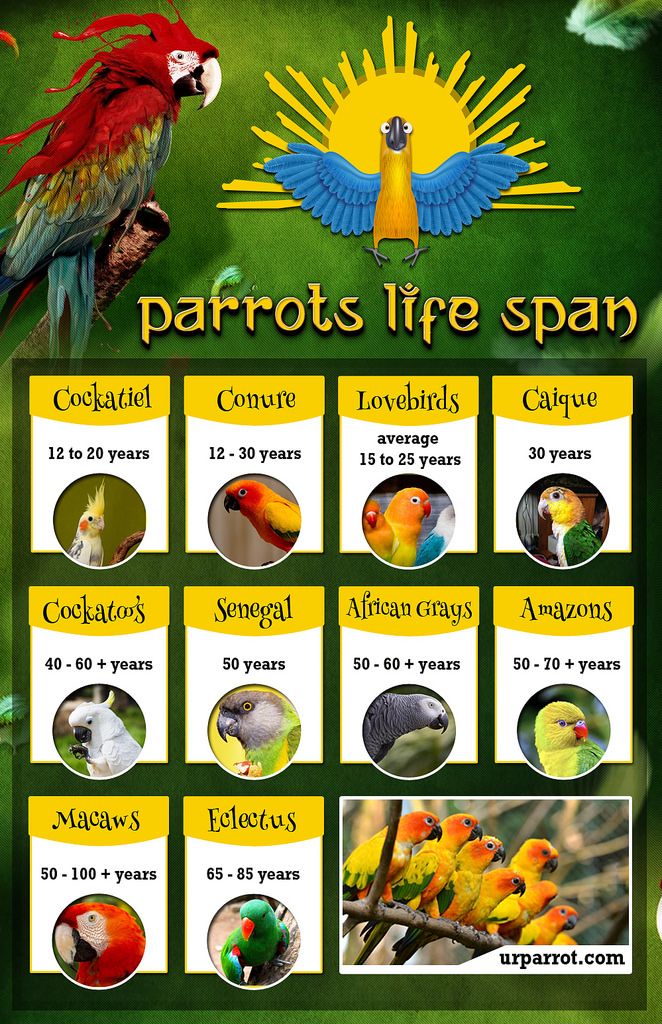
How Long Do Parrots Live? Lifespan by Size and Species
Parrot longevity varies dramatically by species, size, genetics, disease exposure, and husbandry. Some small parrots may live for many years, while larger parrots can represent a commitment measured in decades. Exceptional longevity stories should not be substituted for typical life planning.
What the context tells you
Diet, weight management, flight and exercise, social conditions, sleep, and prompt veterinary treatment influence health. Poor welfare may produce serious problems long before a bird reaches its possible maximum age. A family should also consider what happens if an owner moves, becomes ill, or can no longer provide care.
Practical steps and everyday care
Before acquiring a bird, write a care plan that includes routine avian exams, safe housing, a realistic monthly budget, emergency funds, and trusted long-term caregivers. Learn the species' normal behavior and weigh the bird regularly when advised.
Daily welfare goes beyond the cage
Bird care includes fresh water, a nutritionally suitable diet, opportunities for safe movement, foraging, calm social contact, and uninterrupted rest. Household smoke, overheated nonstick cookware, aerosols, and unsafe metals can pose serious hazards. Because pet birds often mask illness, subtle changes in droppings, appetite, posture, or weight can be more informative than dramatic outward symptoms. Establish an avian veterinary relationship while the bird is well.
A real-world example
Someone adopting a young parrot may be planning around a decade while the species could require care much longer. A realistic plan includes future housing, a veterinary budget, a trusted successor caregiver, and written routines. Long life is only positive when the animal's physical and social needs continue to be met.
Welfare and avian health alerts
No lifespan estimate is a promise. A responsible decision considers not only how long a parrot might live, but the quality of daily life throughout that time.
A quick decision checklist
Check the bird’s normal eating, droppings, energy, and housing conditions.
Explain variable longevity and long-term ownership commitments without fixed guarantees.
Track eating, droppings, sleeping behavior, and any changes in vocalization or posture.
Seek qualified veterinary, extension, or species-specialist guidance before using medication or making major changes.
Frequently asked questions
Can a small cage and a seed bowl be enough?
No. Species-appropriate flight or climbing space, balanced nutrition, daily enrichment, sleep, sanitation, and veterinary oversight are basic responsibilities even for small birds.
What changes suggest a bird may be unwell?
Reduced appetite, changed droppings, breathing effort, unusual fluffed posture, or reluctance to perch merits prompt contact with an avian veterinarian.
Related reading
what decibel level are parrots
Reliable resources for further checking
Editorial status: draft. Check current professional guidance and local rules before publication; urgent symptoms require appropriate veterinary help.
