Cat Coughing: Common Causes and When It Is Urgent
Cat Coughing: Common Causes and When It Is Urgent. Discover practical facts, risks, and care considerations before you decide what to do next.
Cat Coughing: Common Causes and When It Is Urgent
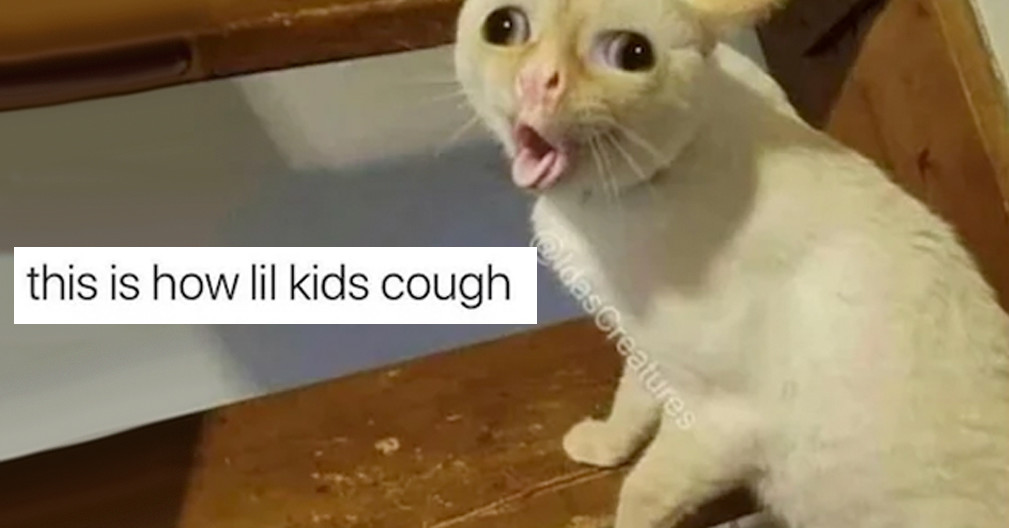
True coughing in cats can resemble gagging, retching, or an attempted hairball. Hairball-related episodes generally involve a different sequence of abdominal contractions; video can help a veterinarian distinguish them. Respiratory causes include airway inflammation, infection, parasites, and other chest conditions.
What the context tells you
Recurrent coughing, wheezing, or rapid breathing at rest is not normal even when the cat seems fine between episodes. Scented sprays, smoke, dust, and strong fragrances can worsen airway irritation. Do not try human cough medicine or assume every episode will produce a hairball.
Practical steps and everyday care
Record a short video, note frequency and triggers, and reduce indoor smoke or aerosol exposures while arranging veterinary guidance. Check that litter is low-dust and that the cat can rest without stress. Avoid manipulating the throat or offering oils and home remedies.
Pay attention to context and baseline behavior
Cats communicate through combinations of ear position, eyes, tail movement, posture, vocalization, and distance from people or other animals. A normally relaxed cat reacting differently may be responding to environmental changes or discomfort. Track when the change began, access to food and litter, medications, and any new plants or products. Quiet hiding does not necessarily mean a cat is comfortable; changes in eating, grooming, elimination, or activity are important.
A real-world example
Owners sometimes describe every hunched, heaving episode as a hairball. A short video can show whether the cat is truly coughing, retching, or experiencing breathing difficulty. Repeated episodes without producing hair should not be dismissed as normal grooming. If the cat is breathing with an open mouth or visibly struggling, seek emergency care.
When to get veterinary advice
Open-mouth breathing, blue or gray gums, collapse, severe respiratory effort, or extreme weakness is an emergency. Early evaluation matters because different respiratory diseases may look similar but need different treatment.
A quick decision checklist
Check whether this differs from the cat’s usual behavior, eating, and litter routine.
Discuss cough versus hairball confusion, respiratory symptoms and vet assessment.
Note body language, appetite, litter habits, and changes in the home.
Seek qualified veterinary, extension, or species-specialist guidance before using medication or making major changes.
Frequently asked questions
What if the behavior or symptom starts suddenly?
A sudden departure from the cat's normal pattern deserves closer attention. If appetite, breathing, elimination, mobility, or alertness is affected, contact a veterinarian promptly. Never use human medications or essential oils as a substitute for a diagnosis.
How do I know this advice fits my cat?
Compare the change with your cat’s normal eating, activity, litter, grooming, and body language. A sudden or persistent departure from baseline deserves professional advice.
Related reading
Reliable resources for further checking
Editorial status: draft. Check current professional guidance and local rules before publication; urgent symptoms require appropriate veterinary help.
