Cat Drooling: Normal Causes Versus Dental or Toxic Emergencies
Cat Drooling: Normal Causes Versus Dental or Toxic Emergencies. Discover practical facts, risks, and care considerations before you decide what to do next.
Cat Drooling: Normal Causes Versus Dental or Toxic Emergencies
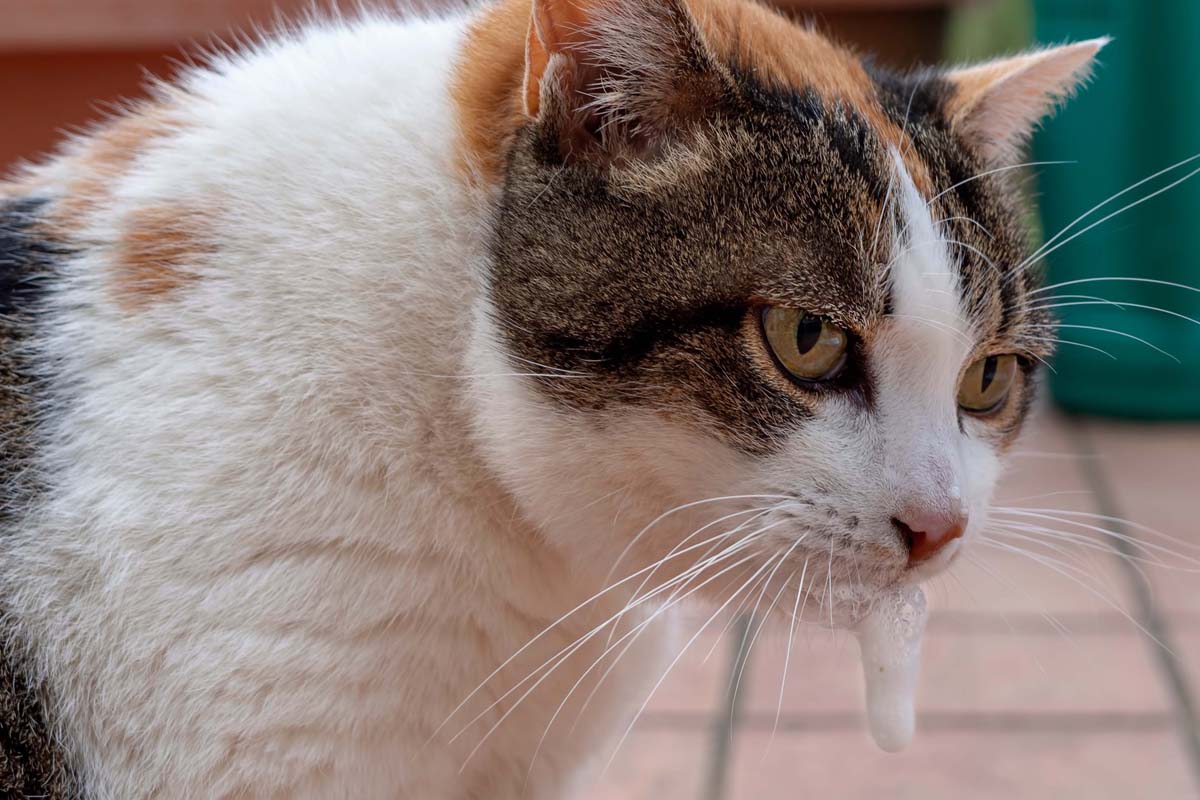
Some cats drool briefly when deeply relaxed or purring. Persistent, excessive, or sudden drooling can also reflect dental pain, nausea, mouth injury, exposure to irritants, or poisoning. Whether the cat is eating, swallowing, grooming, and acting normally changes how urgently to respond.
What the context tells you
Look for foul breath, pawing at the mouth, vomiting, chewing on one side, or visible oral damage. Certain houseplants, cleaning products, and medications are dangerous to cats. Do not attempt to examine a frightened cat's mouth by force or assume the source is harmless because purring is present.
Practical steps and everyday care
Note when drooling started, possible exposures, food intake, and any new products in the home. Move suspicious substances out of reach and contact a veterinarian or poison helpline if ingestion is possible. Offer water without forcing the cat to drink.
Pay attention to context and baseline behavior
Cats communicate through combinations of ear position, eyes, tail movement, posture, vocalization, and distance from people or other animals. A normally relaxed cat reacting differently may be responding to environmental changes or discomfort. Track when the change began, access to food and litter, medications, and any new plants or products. Quiet hiding does not necessarily mean a cat is comfortable; changes in eating, grooming, elimination, or activity are important.
A real-world example
A cat that drools a little while purring and immediately stops is different from one that suddenly strings saliva from its mouth after chewing a houseplant. In the second case, identify possible exposure, prevent further contact, and seek veterinary or poison-control advice. The cat's overall condition matters more than the owner's guess about what tastes unpleasant.
When to get veterinary advice
Drooling with breathing trouble, collapse, repeated vomiting, seizures, or suspected toxic exposure is urgent. If the cause remains unexplained even without these signs, schedule a veterinary exam to look for painful oral or systemic disease.
A quick decision checklist
Check whether this differs from the cat’s usual behavior, eating, and litter routine.
Separate occasional contentment from nausea, mouth pain or toxin exposure.
Note body language, appetite, litter habits, and changes in the home.
Seek qualified veterinary, extension, or species-specialist guidance before using medication or making major changes.
Frequently asked questions
What if the behavior or symptom starts suddenly?
A sudden departure from the cat's normal pattern deserves closer attention. If appetite, breathing, elimination, mobility, or alertness is affected, contact a veterinarian promptly. Never use human medications or essential oils as a substitute for a diagnosis.
How do I know this advice fits my cat?
Compare the change with your cat’s normal eating, activity, litter, grooming, and body language. A sudden or persistent departure from baseline deserves professional advice.
Related reading
Reliable resources for further checking
Editorial status: draft. Check current professional guidance and local rules before publication; urgent symptoms require appropriate veterinary help.
