How Long Are Cats Pregnant? Gestation and Signs of Labor
How Long Are Cats Pregnant Gestation and Signs of Labor. Discover practical facts, risks, and care considerations before you decide what to do next.
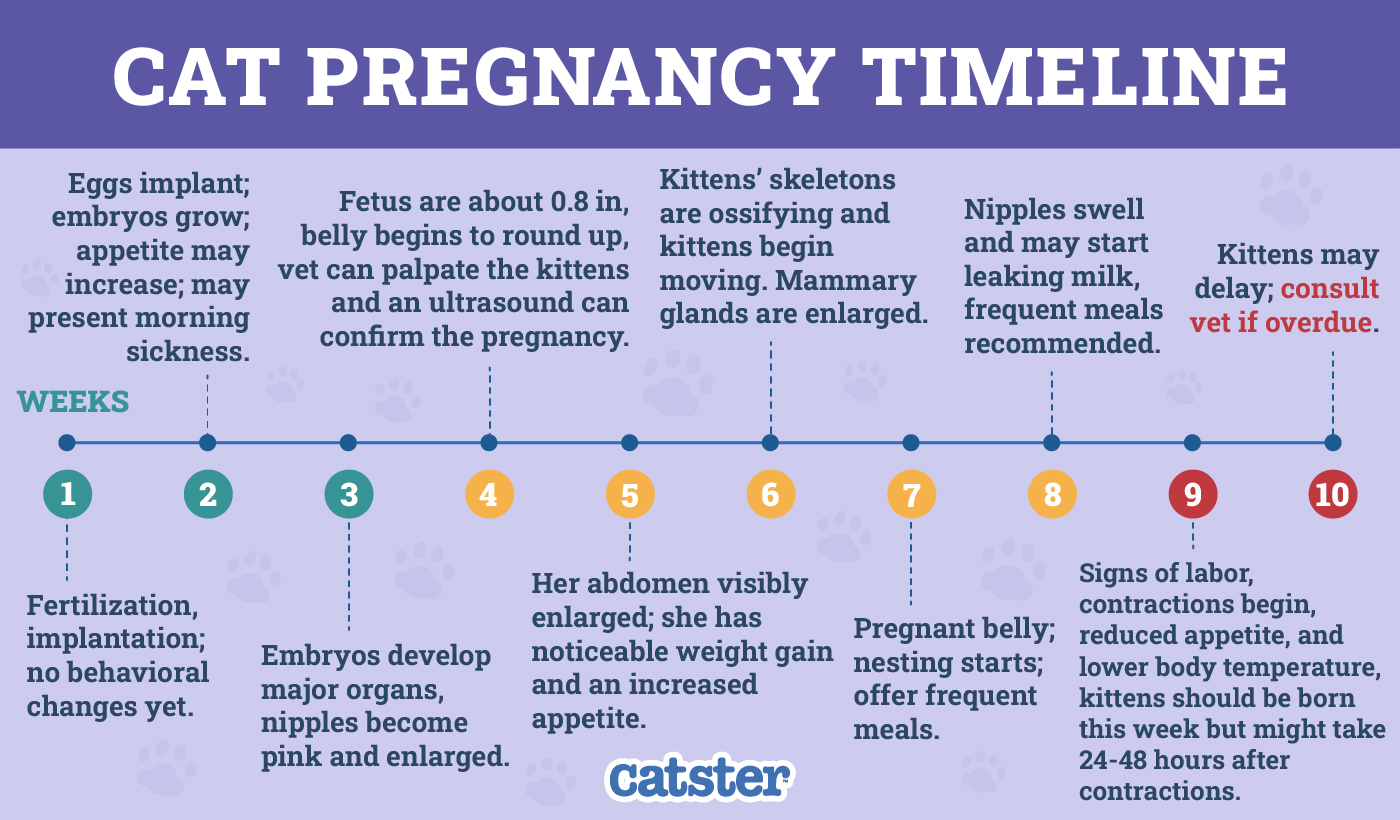
How Long Are Cats Pregnant? Gestation and Signs of Labor
Cat pregnancy commonly lasts about nine weeks, often roughly 63 to 65 days, although normal variation exists. The expected delivery date is an estimate rather than a guarantee. A veterinarian can assess pregnancy, discuss nutrition, and help distinguish normal late-pregnancy changes from concerning symptoms.
What the context tells you
Weight gain, changes in nipples, nesting, and behavior can occur but are not reliable diagnostic tests. A cat may hide before labor, so a quiet, accessible nesting area matters. Avoid palpating the abdomen or giving supplements and medications without professional advice.
Practical steps and everyday care
Keep records of possible mating dates, eating, behavior, and veterinary findings. Provide a quiet room, litter, water, and an appropriate diet under veterinary guidance. Arrange an emergency plan before the due window, including transport and an after-hours clinic number.
Pay attention to context and baseline behavior
Cats communicate through combinations of ear position, eyes, tail movement, posture, vocalization, and distance from people or other animals. A normally relaxed cat reacting differently may be responding to environmental changes or discomfort. Track when the change began, access to food and litter, medications, and any new plants or products. Quiet hiding does not necessarily mean a cat is comfortable; changes in eating, grooming, elimination, or activity are important.
A real-world example
A cat with an estimated mating date may pass the expected due day without obvious labor. That does not automatically establish a problem, but changes in appetite, discharge, behavior, or straining matter. Have a veterinarian's contact and transport plan available before labor. Do not attempt to speed delivery with medications or manual procedures at home.
When to get veterinary advice
Strong straining without producing a kitten, marked weakness, severe bleeding, foul discharge, or a prolonged interval accompanied by distress requires urgent veterinary advice. Do not attempt to pull a kitten out or administer drugs at home.
A quick decision checklist
Check whether this differs from the cat’s usual behavior, eating, and litter routine.
Provide evidence-based typical window and urgent signs while avoiding DIY obstetrics.
Note body language, appetite, litter habits, and changes in the home.
Seek qualified veterinary, extension, or species-specialist guidance before using medication or making major changes.
Frequently asked questions
What if the behavior or symptom starts suddenly?
A sudden departure from the cat's normal pattern deserves closer attention. If appetite, breathing, elimination, mobility, or alertness is affected, contact a veterinarian promptly. Never use human medications or essential oils as a substitute for a diagnosis.
How do I know this advice fits my cat?
Compare the change with your cat’s normal eating, activity, litter, grooming, and body language. A sudden or persistent departure from baseline deserves professional advice.
Related reading
Reliable resources for further checking
Editorial status: draft. Check current professional guidance and local rules before publication; urgent symptoms require appropriate veterinary help.
